
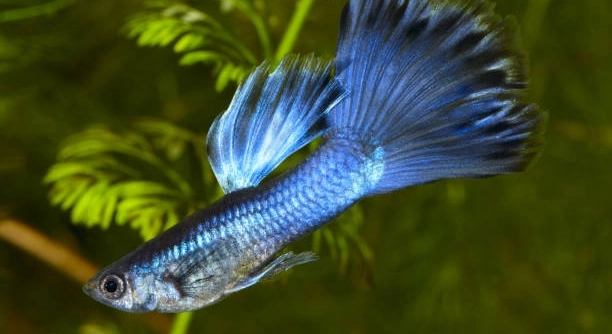
Guppies are lively little fish, loved for their colorful displays and energetic swimming. However, if you’ve noticed them constantly pooping, it might be more than just a normal behavior. Understanding the causes can help.
The primary reason your guppies may be constantly pooping is due to their high metabolism and constant feeding habits. Overfeeding, water quality, or underlying health issues can also contribute to frequent defecation, making it essential to address these factors.
Several factors influence your guppy’s digestion, and knowing what they are will help you maintain a healthier tank. Keep reading to discover more about why this behavior occurs.
Overfeeding Your Guppies
Feeding your guppies more than they need can lead to constant pooping. Guppies have small stomachs, and they don’t need large amounts of food at once. When they eat too much, their digestive system works overtime to process all the food, resulting in frequent waste production. It’s important to follow a feeding schedule that matches their size and activity level to avoid overfeeding.
A common mistake many aquarists make is giving too much food in one feeding. Over time, the excess food will cause their digestive system to be overburdened, leading to more frequent bowel movements.
If your guppies are pooping excessively, it could be a sign you’re feeding them too much. Try feeding them smaller portions more frequently, ensuring they only eat what they can consume within a few minutes. This simple adjustment can help balance their digestion and waste production.
Poor Water Quality
Water quality plays a crucial role in your guppies’ overall health. When the water in your tank isn’t clean or well-maintained, it can affect their digestive system and cause them to excrete more waste. High levels of ammonia, nitrites, or nitrates can stress your fish and disrupt normal digestion, leading to frequent pooping.
To maintain good water quality, regular water changes are necessary. Using a good filtration system will help keep the water clean and reduce harmful toxins. Aim for at least a 25-50% water change each week, depending on your tank size.
Keep a close eye on water parameters, including pH, temperature, and salinity. Poor water quality can lead to other health problems too, such as fin rot or internal parasites. Maintaining a stable, clean environment is essential to keeping your guppies healthy and reducing the amount of waste they produce.
Stress from Tank Mates
If your guppies are living with overly aggressive tank mates, they might be stressed, which can cause them to poop more than usual. Stress from other fish can disrupt their digestive system and lead to more frequent bowel movements. Guppies do best in peaceful tanks with other non-aggressive species.
To minimize stress, ensure your guppies are in a tank with compatible tank mates. Avoid adding aggressive species like cichlids or large fish that might bully them. Stress can also be triggered by overcrowding, so make sure your tank is not overstocked.
Providing hiding spots and plants can also help reduce stress by giving your guppies a place to retreat if needed. Pay attention to any signs of aggression or stress from other fish, such as chasing or fin nipping. A peaceful environment will benefit your guppies’ health and reduce excessive waste production.
Poor Diet
A poor diet can lead to digestive issues in guppies, causing them to produce more waste. Guppies need a balanced diet with a mix of high-quality flakes, frozen foods, and occasional live foods to stay healthy. If their diet lacks essential nutrients, their digestion can become inefficient.
Avoid feeding your guppies only one type of food, such as just flakes. While flakes are convenient, they don’t provide everything your fish need for optimal digestion. Include variety in their diet, such as daphnia, brine shrimp, or bloodworms, to provide proper nutrition.
Feeding them nutritious foods will help regulate their digestive system, reducing the amount of waste they produce. Offering proper portions at regular intervals is key to preventing overfeeding while keeping their diet well-rounded. Keep in mind that too much of one type of food can also lead to constipation or excessive waste.
Parasites or Illness
Parasites or internal infections can lead to increased pooping in guppies. If your fish are sick or infected, they may expel more waste than usual. Symptoms like lethargy, loss of color, or abnormal swimming behavior often accompany such health issues.
If you notice these signs, it’s important to check the water quality and assess their diet. A visit to the vet or treatment with anti-parasitic medication might be needed to clear up any infection.
You may also want to isolate sick guppies to prevent the spread of parasites or diseases to other fish in the tank. Timely treatment can help return your guppies to their healthy state.
High Metabolism
Guppies have a naturally fast metabolism, which means they digest food quickly. As a result, they often produce waste more frequently than other fish species. This is completely normal for them, and it’s just part of their biological function.
Since they’re constantly active and need energy to keep swimming, their bodies process food rapidly. They typically need small amounts of food spread out throughout the day.
The key is managing their feeding and keeping the tank clean to handle the waste produced. Regular water changes and a good filtration system will help maintain a healthy environment for your guppies.
Overcrowding in the Tank
Overcrowding can lead to more frequent waste production in guppies. When there are too many fish in a tank, it puts extra strain on their digestive systems, and they may defecate more often.
It also leads to stress, which can affect their health. Guppies thrive best in a tank with enough space to swim and explore. Too many fish in a small area can disrupt their comfort, making them more prone to pooping frequently.
To prevent overcrowding, make sure your tank has sufficient space for all your fish. A general rule is to allow at least one gallon of water per inch of fish.
FAQ
Why is my guppy pooping so much?
Guppies may poop frequently due to their fast metabolism. Their digestive system works quickly, and they need to process food often. Overfeeding, poor water quality, stress from tank mates, or underlying health issues can also increase waste production. If your guppy seems healthy, the frequent pooping might just be due to their natural digestion speed.
How often should I feed my guppies?
Feed your guppies twice a day in small portions that they can finish within 2-3 minutes. Overfeeding can lead to excessive waste. Make sure to remove any leftover food to prevent it from decomposing and affecting water quality. A varied diet with both flakes and occasional live or frozen foods will keep them healthy and prevent overfeeding.
What causes my guppy’s poop to look unusual?
Unusual poop can be a sign of an underlying health issue. If the poop is stringy, white, or discolored, your guppy could have a parasite or infection. If the poop appears solid but unusually large, it may be due to overfeeding or a poor diet. It’s important to monitor any other symptoms like lethargy or changes in behavior and treat accordingly.
Is it normal for guppies to poop so often?
Yes, guppies are known for their fast metabolism, meaning they process food quickly and expel waste more frequently than other fish. This is normal, as long as the frequency is not excessively high and there are no signs of health problems. Regular maintenance of water quality and feeding practices can help keep waste manageable.
Can poor water quality cause my guppy to poop more?
Yes, poor water quality can cause stress and digestive issues in guppies, which can lead to more frequent pooping. If the water contains high levels of ammonia, nitrates, or nitrites, it can irritate their digestive system. Maintaining good water quality with regular water changes and a proper filtration system is crucial to avoid such issues.
What can I do to reduce my guppy’s poop frequency?
To reduce poop frequency, make sure you are not overfeeding your guppies. Feed them in smaller amounts that they can consume in 2-3 minutes. Regular water changes and keeping the tank clean will also help manage waste. If the problem persists, check for stress or health problems, which may require intervention.
How do I know if my guppy is sick or just pooping a lot?
If your guppy is pooping more than usual and showing other signs such as lethargy, lack of appetite, or discolored fins, it could be a sign of illness. Healthy guppies tend to be active, swim around, and eat regularly. Any change in behavior, along with abnormal poop, could indicate a health problem requiring treatment.
Could my guppy’s diet be the reason for frequent pooping?
Yes, a poor diet can contribute to more frequent pooping. If the food is not balanced or is difficult for your guppy to digest, it could result in excessive waste. Offer a variety of high-quality foods, including flakes, live foods, and occasional frozen options. This ensures they get all the nutrients they need while reducing waste production.
What should I do if my guppy’s poop is white and stringy?
White, stringy poop is often a sign of internal parasites or an infection. You should immediately isolate the affected guppy to prevent it from spreading to others. Treatment with antiparasitic medication may be necessary, and water quality should be checked and improved. Consult with an aquarium professional for further guidance.
How can I prevent stress in my guppy tank?
Stress can be reduced by ensuring that your guppies have plenty of space to swim, peaceful tank mates, and hiding spots. Avoid overstocking your tank, as crowded conditions can lead to stress and frequent pooping. Monitor your fish for signs of aggression or bullying, and address the issue promptly to maintain a calm environment.
Can I use medication to treat frequent pooping in guppies?
While medication is not typically necessary for excessive pooping caused by natural digestion, it might be required if there’s an underlying health problem, such as parasites or infection. Always consult with an aquarium vet or expert before administering medication. Improper use of meds can harm your guppies or alter the tank’s balance.
How can I improve my guppy’s digestion?
Improving digestion involves offering a balanced diet that includes high-quality food designed for guppies. Feed them a variety of foods, including high-protein options like brine shrimp or bloodworms, and ensure they are not overfed. Maintaining good water quality and a stress-free environment also supports healthy digestion.
Can a guppy’s age affect its pooping frequency?
Older guppies may have slower digestion and slightly reduced waste production compared to younger, more active ones. However, frequent pooping in older guppies can also indicate health issues, so it’s important to monitor their overall behavior. Keep their diet balanced and their tank clean to support their aging process.
Should I worry about my guppy’s poop if it’s normal but excessive?
As long as your guppy appears healthy, active, and is eating properly, excessive but normal poop is generally not a cause for concern. However, it’s important to check water quality regularly and ensure that overfeeding isn’t the problem. If you notice other symptoms, consult an aquarium expert.
Final Thoughts
Understanding why your guppies are pooping frequently is essential for maintaining a healthy aquarium. As small, active fish, guppies naturally have a fast metabolism, which means they digest food quickly and produce waste often. This is completely normal for them. However, if you notice an increase in their poop frequency, it’s important to consider other factors that could be affecting their digestion and overall health. Overfeeding, poor water quality, stress, or even illness can all contribute to excessive waste production. Keeping an eye on these factors will help you maintain a better environment for your fish.
To ensure your guppies remain healthy and the waste in the tank is manageable, you should monitor their feeding habits closely. Overfeeding is a common mistake and can lead to increased waste and water pollution. It’s always best to feed them small portions that they can consume within a few minutes. A varied diet is also crucial to their health, so don’t rely solely on one type of food. Regular water changes and good filtration will help maintain water quality, which is another key factor in keeping waste levels in check. By staying on top of these aspects, you’ll create an environment where your guppies can thrive without creating too much mess.
If your guppies are pooping excessively, it could also be a sign of underlying health issues, such as parasites or digestive problems. If their poop looks unusual or is accompanied by signs of illness, like lethargy or loss of appetite, it’s a good idea to isolate the affected fish and consider treatment. Stress from aggressive tank mates or overcrowding is another factor to keep in mind. Always ensure that your tank is appropriately stocked and that the fish live in a peaceful environment. By addressing these factors, you can reduce the frequency of their waste production and improve the overall well-being of your guppies.

Hello,
If you enjoy the content that we create, please consider saying a "Thank You!" by leaving a tip.
Every little bit helps us continue crafting quality advice that supports the health, happiness, and well-being of pets around the world, for pets of all shapes, sizes, and species.
We really appreciate the kindness and support that you show us!