
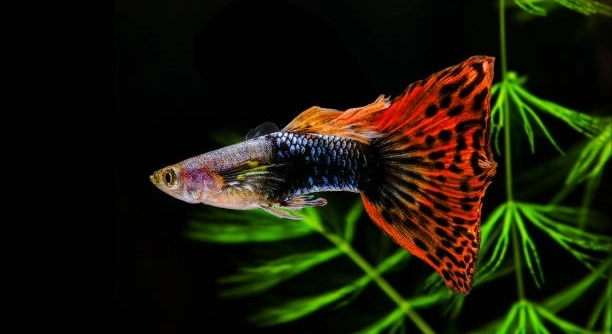
Are your guppies acting strangely, twitching in ways that don’t seem normal, and leaving you a bit concerned or confused?
Guppy twitching is commonly linked to environmental stress, poor water quality, parasites, or sudden changes in tank conditions. Identifying the cause is essential for effective treatment and ensuring the overall health of your fish.
Knowing what to look for can help you address the problem early and prevent it from getting worse for your guppies.
Poor Water Quality
When guppies twitch, the first thing to check is the water quality in your tank. Ammonia, nitrites, or nitrates can spike quickly and cause stress or illness. Even small changes in pH, temperature, or chlorine levels may trigger twitching. Using an aquarium test kit regularly helps you catch problems before they affect your fish. Make sure to perform partial water changes every week and keep the filter clean. Overfeeding can also lead to waste buildup and cloudy water, which creates an unhealthy environment. Twitching might be your guppies’ way of reacting to something off in their surroundings, so acting fast is important.
Testing the water often is a simple way to avoid common tank issues and keep your guppies feeling good.
Make sure your tank has steady conditions and plenty of oxygen. A sudden shift in temperature or a dirty filter can make your guppies uncomfortable. Watch for signs early.
Parasites and Skin Irritation
Parasites are another reason guppies might twitch or dart around.
External parasites like ich or flukes can cause irritation and discomfort. Twitching, flashing against surfaces, or rapid swimming are common signs. These parasites often enter tanks through new fish or plants that weren’t properly cleaned. Quarantining new arrivals before adding them to your main tank helps prevent outbreaks. If you notice white spots, clamped fins, or unusual behavior along with twitching, it’s important to start treatment quickly. Over-the-counter parasite medications can help, but always follow the dosage instructions carefully. Increasing the tank temperature slightly can speed up some parasites’ life cycles, making treatments more effective.
Keeping the tank clean and avoiding overcrowding also helps reduce the risk of parasitic infections. Strong immune systems in your guppies mean they’re less likely to get sick. Balanced diets, stress-free environments, and clean water all play a role in prevention. Watching your guppies closely each day can make a big difference.
Sudden Temperature Changes
Guppies are sensitive to temperature shifts, even if they’re small. A quick change in water temperature can shock their system and lead to twitching or fast, jerky movements. Heaters that malfunction or water changes done with colder water can be enough to cause discomfort.
Always check the temperature before adding new water to the tank. Guppies prefer a stable range between 72°F and 82°F. If your heater is inconsistent, consider upgrading to a reliable one with a built-in thermostat. Avoid placing the tank near windows or vents that could affect temperature stability. Twitching may be their response to stress as their bodies try to adjust quickly. This can weaken their immune system over time, opening the door to infections. Monitoring the water daily with a thermometer can help avoid this. Consistency is key when it comes to keeping tropical fish healthy and active.
When guppies are exposed to long-term temperature stress, they might show other signs too. Their colors may fade, they could lose interest in food, or swim in unusual patterns. Some may even stay near the surface or the bottom of the tank. These changes might seem minor at first, but they often point to bigger issues. Fixing the temperature early can prevent complications.
High Stress Levels
Stress can come from many sources, and guppies are more affected by it than people often realize. Things like aggressive tank mates, bright lighting, sudden noises, or overcrowding can cause constant tension. Twitching is one of the ways guppies show they’re not comfortable in their environment.
Try to create a calm, balanced space for them. Use gentle lighting, avoid tapping the glass, and keep the tank in a quiet location. Guppies feel safer when they have places to hide, like plants or decorations. If you notice one fish chasing the others often, it might be time to separate them. Too many fish in a small tank can also create stress. Make sure your tank size matches the number of guppies you have. A peaceful tank helps your guppies stay active, eat well, and show off their colors. Reducing stress is a simple way to prevent health issues.
Chemical Irritants
Household sprays, soap residue, or contaminated tap water can harm your guppies. These chemicals enter the tank easily and cause twitching, gill irritation, or worse. Even trace amounts may affect sensitive fish, especially if water changes aren’t done carefully.
Always rinse hands and equipment with plain water before use. Avoid cleaning the tank or decorations with soap or detergents. Use a water conditioner to remove chlorine and heavy metals from tap water. Taking these steps can prevent sudden reactions in your fish.
Low Oxygen Levels
When the tank has low oxygen, guppies may twitch, gasp near the surface, or act sluggish. Poor circulation, overcrowding, or warm water can all reduce oxygen levels. Adding an air stone, keeping the filter clean, and avoiding overstocking helps maintain proper oxygen flow.
Internal Illness
Sometimes the cause of twitching isn’t external. Internal infections or organ problems can also lead to strange movements. Bacterial infections, swim bladder disease, or other internal issues might not show obvious signs right away. Over time, you may notice your guppy losing balance, swimming oddly, or isolating itself.
Electrical Currents
Small, unnoticed electrical leaks from faulty heaters or equipment can bother your guppies. Twitching or avoiding certain areas of the tank might be signs. Always check gear regularly and unplug devices before putting your hands in the water.
FAQ
Why are my guppies swimming in circles and twitching?
Guppies swimming in circles and twitching could be showing signs of stress, a parasitic infection, or even a reaction to poor water quality. Stress may come from aggressive tank mates, sudden changes in the environment, or overcrowding. A parasitic infection, like ich or velvet, can also cause twitching or erratic movements. If you see spots or unusual behaviors, treatment with medicated water is recommended. Always test your tank’s water quality, ensure it’s within safe parameters, and address any visible signs of parasites. Proper tank care is essential for preventing these issues.
Could low water temperature cause guppies to twitch?
Yes, a low water temperature can cause your guppies to twitch. Guppies are tropical fish that prefer temperatures between 72°F and 82°F. When the water drops below this range, their metabolism slows down, which can lead to strange swimming patterns, twitching, and overall sluggishness. Ensure your heater is working properly and keep a thermometer in the tank to monitor temperature fluctuations. If your heater is unreliable, it might be time to invest in a better one.
How do I know if my guppy has a parasite?
If your guppy has a parasite, you might see signs like twitching, scratching against surfaces, clamped fins, or discolored skin. White spots, lesions, or a milky coating on their body often indicate ich, while a yellowish glow can suggest velvet. Look for rapid breathing or unusual behavior, such as your guppy isolating itself. It’s important to act quickly, as parasites can spread. Treat the tank with appropriate medications and consider raising the temperature to help speed up the parasite’s life cycle for quicker eradication.
Can too much light cause my guppies to twitch?
Excessive or bright lighting can stress guppies, causing twitching or erratic swimming. Guppies prefer moderate light levels and need a period of darkness to rest. Constant light can make them feel unsafe, leading to increased stress. Try to give your guppies a consistent day and night cycle, with around 10-12 hours of light per day, and make sure they have hiding spots to feel secure. Consider using a dimmer light or adding plants to provide some shade.
Why are my guppies twitching and not eating?
If your guppies are twitching and not eating, it’s usually a sign of stress, illness, or poor water quality. Stressful conditions, such as sudden changes in temperature, overcrowding, or aggressive tank mates, can cause them to lose their appetite. Illnesses like internal parasites or bacterial infections can also lead to a lack of appetite and twitching. Check the water parameters, and look for signs of disease, such as discoloration, lesions, or labored breathing. A water change and proper treatment may be necessary to get your guppies back on track.
Could overfeeding cause my guppies to twitch?
Overfeeding can cause poor water quality, leading to stress, which in turn can cause your guppies to twitch. Excess food decomposes and creates toxic ammonia, nitrites, and nitrates in the tank, which can irritate the fish and affect their health. It’s important to only feed your guppies what they can consume in a few minutes, and to remove any uneaten food promptly. A clean tank with proper filtration and regular water changes will help maintain a healthy environment for your guppies.
Is my guppy’s twitching a sign of old age?
As guppies age, they may naturally slow down, showing less interest in food or swimming less actively. However, twitching is not typically a sign of old age. If your older guppy is twitching or swimming erratically, there may be an underlying issue such as stress, disease, or poor water quality. While aging can lead to slower movements and a weakened immune system, it’s essential to check the tank conditions and look for other symptoms to ensure your fish’s health.
Why is my guppy twitching after a water change?
Twitching after a water change can happen if the new water is too cold, too hot, or has imbalanced pH levels. Even small changes in water quality can stress out guppies, causing them to twitch or swim erratically. Always match the temperature of the new water with the tank’s water and use a water conditioner to neutralize chlorine or chloramine. Test the water for pH, ammonia, nitrites, and nitrates before doing a water change. If you do notice twitching after a change, do a small water change to fix the conditions and help your guppies feel better.
Can guppies twitch from a lack of oxygen?
Yes, low oxygen levels can cause your guppies to twitch or gasp for air at the surface. This can happen if the tank is overcrowded, the filter isn’t working properly, or the water is warm, which reduces oxygen levels. Ensure your tank has enough surface agitation, good circulation, and possibly an air stone for better oxygen distribution. Regularly check the filter to ensure it’s clean and functioning well. If your guppies are spending a lot of time at the surface, this could be a clear sign that oxygen levels need attention.
What should I do if my guppy keeps twitching?
If your guppy keeps twitching, it’s important to first check the water quality. Test for ammonia, nitrites, and pH, and make sure the temperature is stable. If the water is fine, observe for signs of parasites or other diseases. You might need to treat with medication or adjust tank conditions to reduce stress. If twitching persists after addressing water quality and potential illness, consider moving the guppy to a quarantine tank for further observation. Keep a close eye on its behavior, and consult with a vet or aquarium expert if the problem continues.
Final Thoughts
Guppies twitching can be caused by several different factors, but most of the time, it’s a sign that something in their environment isn’t quite right. It could be something as simple as poor water quality, or more serious issues like parasites or diseases. Regular water changes, proper filtration, and maintaining a stable temperature are essential steps in ensuring your guppies stay healthy and happy. Testing the water often and keeping an eye on your fish can help catch problems early, preventing them from becoming bigger issues later on.
It’s also important to remember that guppies are sensitive to stress. If your fish are constantly exposed to stress, whether it’s from aggressive tank mates, overcrowding, or fluctuating tank conditions, they can start showing signs like twitching. A peaceful and stable environment is key to keeping your guppies stress-free. Adding hiding spots, maintaining a proper light schedule, and ensuring your fish are not competing for resources can make a big difference in how they behave and feel. Pay attention to how they interact with each other, as this can give you clues about their well-being.
In some cases, twitching can be a sign of illness, which may require treatment. If you notice other symptoms like discoloration, lesions, or changes in swimming behavior, you should look into potential parasites or infections. Acting quickly can prevent the spread of disease and help your guppies recover faster. Always keep an eye on their behavior and act if anything seems off. With the right care and attention, your guppies will thrive and show their full, beautiful colors.

Hello,
If you enjoy the content that we create, please consider saying a "Thank You!" by leaving a tip.
Every little bit helps us continue crafting quality advice that supports the health, happiness, and well-being of pets around the world, for pets of all shapes, sizes, and species.
We really appreciate the kindness and support that you show us!