
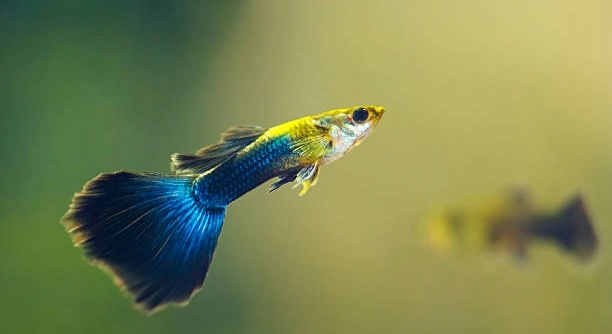
Guppies are popular aquarium fish, known for their bright colors and lively behavior. But sometimes, they can experience unexpected weight loss, which can be concerning. If your guppies are losing weight, it’s important to understand why.
Guppies can lose weight due to several reasons, such as poor water quality, inadequate nutrition, parasites, or stress. In some cases, genetic factors or diseases like internal infections could also contribute to their weight loss.
Addressing these issues early on can help improve the health of your guppies. By understanding the underlying causes, you can provide the best care and prevent further weight loss in the future.
Poor Water Quality
One of the first things to check when your guppies are losing weight is the quality of the water in their tank. Guppies are sensitive to changes in water conditions, and poor water quality can lead to stress and health problems. Ammonia, nitrites, and nitrates can build up if the tank isn’t cleaned regularly, causing harm to your fish. If these levels are too high, guppies may become weak and lose weight.
Keeping the water clean and testing it regularly is key. You can use a water testing kit to check for harmful substances and adjust the filtration system to make sure the water stays fresh. Frequent water changes and proper filtration can help maintain the right environment for your guppies.
Be mindful of the temperature as well. Guppies prefer water temperatures between 72°F and 82°F. Anything outside this range can cause stress, which might contribute to weight loss. A stable, clean environment is essential to their well-being.
Poor Nutrition
Sometimes, guppies lose weight simply because they’re not eating the right food. A varied and balanced diet is essential for their health. If you’re feeding them the same food all the time, they might not be getting the nutrients they need.
Guppies require a mix of protein, fiber, and fats for optimal growth and health. You should be offering them high-quality fish flakes, brine shrimp, or live food like daphnia. If your guppies are getting too little variety or their food is lacking in nutrients, they can lose weight quickly.
Overfeeding or underfeeding can also lead to problems. The right portion sizes should be given to ensure they’re eating enough without leaving excess food that could pollute the water. Always be cautious with their diet to prevent nutritional imbalances.
Parasites and Infections
Parasites and infections can be a major factor in guppies losing weight. These tiny organisms can invade the fish’s body, causing stress, reduced appetite, and even physical damage. If left untreated, parasites can take a toll on your guppies’ health.
Common parasites include worms, protozoa, and external parasites like ich or velvet. These can cause a range of symptoms, such as lethargy, faded colors, or abnormal swimming behavior. If you notice any of these signs, it’s important to act quickly.
Treating parasitic infections usually requires medication, and quarantining infected fish is often the best way to prevent the spread to other guppies. Regularly inspecting your fish for signs of parasites and providing a clean, stress-free environment can help prevent infections.
Stress
Stress is another major factor that can cause guppies to lose weight. Stress can come from various sources, like overcrowding, sudden changes in water temperature, or even bullying from other fish.
Guppies are peaceful fish, and too much aggression in the tank can lead to them feeling unsafe. When stressed, they may not eat, causing them to lose weight over time. It’s essential to provide plenty of hiding spots and ensure the tank isn’t overcrowded.
Stress is often hard to spot in the early stages. However, signs like constant hiding, erratic swimming, or disinterest in food could mean your guppies are stressed. Keeping a calm and stable environment is vital for their health.
Overcrowding
Overcrowding in your aquarium can cause guppies to lose weight. When there are too many fish in a tank, the competition for food increases, and guppies may not get enough to eat. This can lead to stress and weight loss over time.
To avoid overcrowding, ensure your tank has enough space for each fish. A general rule is one inch of fish per gallon of water. This allows them to move freely, reduces competition, and ensures each guppy can get its share of food.
Water Temperature
Water temperature plays a significant role in the health of your guppies. If the temperature is too low or too high, guppies can become stressed, which affects their appetite and overall health.
Keep the water temperature stable within the range of 72°F to 82°F. Anything outside of this range can make your guppies sluggish, leading to weight loss. Make sure to regularly monitor the temperature with an aquarium thermometer.
Genetics
Genetics can also contribute to weight loss in guppies. Some guppies may have weaker immune systems or natural tendencies toward weight loss due to their genetic makeup.
While you can’t change your guppies’ genetics, being aware of this can help you manage their care better. Healthy, strong guppies typically have a more robust appetite and are less likely to suffer from weight loss.
FAQ
What should I do if my guppy isn’t eating?
If your guppy isn’t eating, first check the water quality and temperature. Poor water conditions can cause fish to lose their appetite. Ensure the water is clean and within the right temperature range (72°F to 82°F). Also, try offering a variety of foods like fish flakes, brine shrimp, or live food. If the problem persists, check for signs of illness or parasites, as they can also cause a loss of appetite.
How can I tell if my guppy has parasites?
Look for unusual behavior like scratching against objects, clamped fins, or faded colors. You might also notice tiny white spots on the body, which is a sign of ich. If your guppy seems lethargic or is swimming erratically, these could also be signs of a parasite infection. Quarantining infected fish and using the proper medication can help eliminate parasites.
Is it okay to keep multiple male guppies together?
Male guppies can be territorial and aggressive towards each other. Keeping multiple males together can lead to constant fighting and stress, which could affect their health. If you want to keep more than one male, consider adding a few females to reduce competition. Make sure there are plenty of hiding spots in the tank for them to retreat when necessary.
Can guppies recover from weight loss?
Yes, guppies can recover from weight loss if the underlying cause is addressed. Start by improving water quality, ensuring they’re eating a nutritious diet, and reducing stress in the tank. If parasites or illness are the problem, treat the affected guppy with appropriate medication. Patience and proper care will help them regain their strength.
What is the best food for guppies to gain weight?
Offer a varied diet consisting of high-quality fish flakes, freeze-dried or live foods like brine shrimp, and small amounts of vegetables. Protein-rich foods are especially helpful for guppies to gain weight. Be sure to avoid overfeeding, as this can lead to water quality problems. Offer smaller portions multiple times a day rather than one large meal.
How often should I change the water in my guppy tank?
Water changes should be done regularly to maintain a healthy environment. It’s recommended to change 25-30% of the water every week. In cases of overcrowding or high ammonia levels, more frequent water changes may be needed. Make sure to use a water conditioner to remove chlorine and other harmful chemicals before adding fresh water.
Can stress cause guppies to lose weight?
Yes, stress is a major factor in guppy weight loss. Stress can be caused by many things, including poor water quality, overcrowding, or aggression from other fish. When guppies are stressed, they may stop eating, leading to weight loss. Reducing stressors, like providing hiding spots and maintaining a calm environment, can help them feel safer and healthier.
What size tank do guppies need?
Guppies need at least 10 gallons of water for a small group. This gives them enough space to swim and reduces the chances of overcrowding, which can lead to stress and weight loss. If you plan to keep more than a few guppies, consider a larger tank to accommodate them properly.
Why is my guppy losing weight even though it seems healthy?
Even if your guppy appears healthy, there may be underlying issues that affect its weight. Hidden parasites, internal infections, or poor water quality can cause weight loss without visible signs of illness. Make sure to monitor water conditions, check for signs of stress, and provide a balanced diet to rule out any problems.
Is it possible to overfeed my guppies?
Yes, overfeeding can lead to poor water quality, which can stress guppies and lead to health problems, including weight loss. Only feed your guppies as much as they can eat in a few minutes. Remove any uneaten food after feeding to prevent it from decomposing in the tank. It’s better to feed small portions multiple times a day rather than one large meal.
Can guppies lose weight during pregnancy?
Pregnant guppies can sometimes appear to lose weight as they use energy to carry and prepare for the birth of their fry. However, this is usually temporary. After giving birth, the guppy should regain her weight as she recovers. Make sure she has a healthy, nutritious diet during this time to support both her and the fry’s development.
How can I prevent my guppies from getting sick?
To prevent sickness, maintain good water quality, feed them a balanced diet, and keep the tank clean. Quarantine new fish before introducing them to your aquarium to prevent introducing diseases. Regularly check for signs of illness or parasites and address any issues immediately to avoid spreading them to other fish.
Are some guppies more prone to weight loss than others?
Yes, some guppies may have genetic weaknesses that make them more susceptible to weight loss and illnesses. While you can’t control genetics, providing a healthy environment, a balanced diet, and regular monitoring can help improve the chances of your guppies staying healthy. Be sure to choose fish from reputable breeders to increase the likelihood of strong, healthy guppies.
What is the best temperature for guppies?
Guppies thrive in water temperatures between 72°F and 82°F. If the water is too cold, they become sluggish and may lose their appetite, leading to weight loss. If the water is too hot, they can become stressed and suffer from health problems. Make sure your aquarium heater keeps the water within this ideal range.
Can guppies lose weight after a water change?
A water change itself won’t cause guppies to lose weight, but if the water quality was poor before the change, they may start eating again after the water is improved. Ensure that water temperature and conditions are stable after a water change to reduce any stress and help your guppies feel comfortable again.
Final Thoughts
Understanding why your guppies are losing weight is important for their overall health. There are many possible reasons, such as poor water quality, stress, or parasites. By keeping an eye on their environment and diet, you can address these issues and help your guppies regain their strength. Regularly testing the water, keeping the tank clean, and ensuring a balanced diet are simple steps that go a long way in maintaining your fish’s health.
If you notice your guppies are losing weight, the first step is to identify the cause. Sometimes, it’s something as simple as a small change in the water temperature or overfeeding. Other times, it may be a more serious issue like a parasitic infection or stress from overcrowding. The key is to act quickly to prevent the problem from getting worse. If you’re unsure about the cause, consulting an aquarium professional or doing some research can be helpful.
By paying attention to their living conditions, providing a proper diet, and keeping their tank environment stable, your guppies should thrive. Don’t be discouraged if your fish go through a rough patch—many of these issues can be resolved with some effort and time. With the right care, your guppies can bounce back and continue to enjoy a healthy and happy life in their aquarium.

Hello,
If you enjoy the content that we create, please consider saying a "Thank You!" by leaving a tip.
Every little bit helps us continue crafting quality advice that supports the health, happiness, and well-being of pets around the world, for pets of all shapes, sizes, and species.
We really appreciate the kindness and support that you show us!