
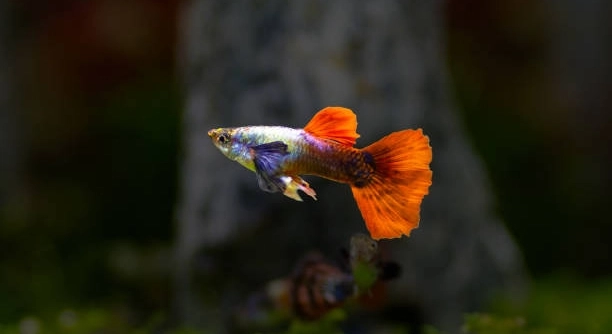
Guppies are known for their colorful appearance and energetic nature, making them popular choices for aquariums. However, they often avoid certain tank mates, and understanding why is key to keeping them happy and healthy in your aquarium.
Guppies tend to avoid tank mates due to their small size, peaceful temperament, and sensitivity to stress. They may feel threatened by aggressive or larger fish, which can lead to them hiding or becoming skittish.
Knowing the reasons behind your guppy’s behavior will help you choose the best tank mates. This information can ensure a peaceful and safe environment for all your fish.
1. Guppies Are Small and Vulnerable
Guppies are tiny fish, and their size is one of the main reasons they avoid certain tank mates. In an aquarium, fish like bettas or larger cichlids can easily intimidate or even prey on them. Their small size makes them highly vulnerable to any fish that might consider them as food. Additionally, guppies are not equipped to defend themselves against more aggressive species, which can cause them a lot of stress.
Smaller fish often lack the ability to fight back, which leaves them feeling constantly threatened by their tank mates. This stress can affect their health, making them more prone to disease and other issues.
Guppies prefer a peaceful environment where they can swim around without constant worry. Larger, more aggressive fish can cause them to hide and become less active. If you want your guppies to thrive, it’s essential to choose tank mates that won’t pose a threat to their well-being. This will allow your guppies to feel safe and comfortable, which ultimately leads to a healthier and happier aquarium.
2. Aggressive Tank Mates Make Them Feel Unsafe
Guppies are naturally peaceful creatures, and they are not built to handle conflict. Tank mates that display aggression, such as nipping or chasing, can make guppies feel unsafe.
Aggressive fish might see your guppies as easy targets, which makes it difficult for your guppies to relax and swim freely. These constant threats often result in guppies hiding more often, avoiding food, and even becoming sick due to the stress.
When guppies are kept with aggressive species, they experience anxiety that can impact their health and longevity. Guppies need to coexist with peaceful tank mates that won’t challenge them. They are better suited to environments where the other fish are calm and non-confrontational. Even if you are introducing a new fish to the tank, ensure it has a similar temperament to avoid unnecessary stress for your guppies.
3. Guppies Have Sensitive Temperaments
Guppies are known for their sensitive temperaments. They can easily get stressed out by sudden changes in their environment, including new tank mates. A sudden introduction of a large or overly energetic fish can cause them to become nervous or skittish.
Their natural instinct is to avoid stress, which is why they often hide or stay in one spot if they feel threatened. The presence of aggressive or unfamiliar tank mates can disrupt their sense of security. Guppies prefer to be in an environment where everything remains calm and predictable, as this reduces their stress levels. Stress over prolonged periods can lead to health problems like weakened immune systems, making them more prone to infections.
This sensitivity can make guppies harder to pair with other fish. Choosing peaceful and compatible tank mates is crucial to maintain their well-being. If they feel too unsettled, they may avoid interacting with other fish or refuse to swim freely, resulting in a less vibrant tank.
4. Guppies Need Space to Swim
Space is important for guppies. In crowded tanks, they feel confined and may avoid tank mates simply to escape from the constant pressure.
While guppies are small, they still need plenty of room to swim and explore. When too many fish are in one tank, they often don’t have the freedom to move as they like. This lack of space makes them more anxious and less willing to interact with other fish.
Keeping guppies in a spacious tank reduces stress and allows them to swim without feeling cramped. If the tank is overcrowded or if there are fish that constantly chase them, guppies are more likely to hide or avoid others. When choosing tank mates, it’s important to ensure that the fish will not overcrowd the space. More room will allow the guppies to feel comfortable, reducing the likelihood of avoiding their tank mates.
5. Guppies Can Be Easily Outcompeted for Food
Guppies are small and may struggle to compete for food in a tank with more aggressive or dominant fish. If larger fish are faster at getting food, guppies might not get enough to eat, which can affect their health.
They often avoid other tank mates who are quick to snatch up food, especially if they feel there’s a chance they might go hungry. Guppies are not as assertive as some other species, so they can be pushed out during feeding times. If food is scarce, they may stay away from others to avoid conflict.
To ensure your guppies get enough nutrition, it’s important to feed them separately or choose tank mates that won’t bully them during feeding. This will help keep your guppies healthy and avoid unnecessary stress.
6. Guppies Can Be Shy Around New Tank Mates
Guppies are naturally shy fish, especially when they encounter new species in their tank. They may avoid other fish out of fear or uncertainty.
This behavior is natural, and over time, they may adjust as they become familiar with their new companions. However, if the new tank mates are overly active or aggressive, it may take longer for the guppies to feel comfortable. Creating a peaceful atmosphere with gentle introductions can help ease their anxiety. This allows them to coexist peacefully with other fish, forming less tense interactions.
7. Guppies Have Specific Tank Mate Preferences
Guppies are selective when it comes to their companions. They tend to get along best with other peaceful, small fish that share similar needs.
Choosing compatible tank mates is essential for maintaining harmony. Fish that are too large, aggressive, or territorial can disrupt the peaceful nature of the tank and make the guppies feel threatened. Understanding their preferences and needs will help ensure a stress-free environment.
FAQ
Why do guppies avoid tank mates?
Guppies are small and peaceful fish, making them vulnerable to larger or more aggressive species. They tend to avoid tank mates that could cause them stress or harm. Their instinct is to stay away from any potential threats, especially if those threats are fast, territorial, or predatory. Guppies prefer a calm, non-confrontational environment where they can swim freely and without fear of being attacked or bullied.
Can guppies live with other peaceful fish?
Yes, guppies do well with other peaceful fish. They are often best kept with small, non-aggressive species like tetras, rasboras, or other livebearers. These species share similar care requirements and tend to have a peaceful temperament. However, even peaceful species can sometimes cause stress, so it’s important to observe how your guppies react to their tank mates.
What fish should I avoid keeping with guppies?
It’s best to avoid aggressive or larger fish when keeping guppies. Fish like bettas, cichlids, or large goldfish can be harmful to guppies. Betta fish, for example, are known for their territorial behavior and may attack guppies. Similarly, larger fish might mistake guppies for food, making them an unsuitable choice for tank mates.
How can I tell if my guppies are stressed by their tank mates?
Stressed guppies may hide more often, swim erratically, or stop eating. If your guppies are constantly darting away from other fish, staying in one area of the tank, or avoiding food, it’s a sign that they might be stressed by their tank mates. Stress can lead to illness, so it’s important to address this issue quickly.
Do guppies need a specific environment to thrive?
Yes, guppies thrive in a stable, calm environment. They prefer well-planted tanks with plenty of hiding spots. A consistent water temperature and clean water are essential for their well-being. Guppies also appreciate a tank with enough space to swim and explore, as they can become stressed in overcrowded conditions.
Are guppies social fish?
Guppies are generally social fish and prefer to be kept in groups. A small school of guppies allows them to interact with one another and feel more secure. While they may be shy at first, they typically become more active and confident when kept with others of their kind. However, even social fish like guppies may avoid tank mates that make them feel unsafe or uncomfortable.
Can I keep male and female guppies together?
Yes, you can keep male and female guppies together, but it’s important to manage the population. Female guppies can become pregnant very easily, leading to an overpopulation problem if not controlled. If you’re not ready for baby guppies, consider keeping only males or using a breeding trap to prevent unwanted pregnancies.
How do I choose the right tank mates for my guppies?
When selecting tank mates for guppies, look for peaceful species that are similarly sized and have similar care requirements. Small fish like neon tetras, guppy-friendly rasboras, and mollies work well with guppies. Avoid aggressive species or any fish that might outcompete guppies for food or space.
Will guppies get along with snails or shrimp?
Yes, guppies generally get along well with snails and shrimp. Snails won’t bother the guppies, and shrimp often share similar water requirements. However, larger shrimp might be too aggressive for small guppies, and some shrimp species could be eaten by the guppies if they are small enough. Make sure to monitor interactions.
How can I help my guppies feel more comfortable with new tank mates?
Introduce new fish gradually and ensure the tank is large enough to accommodate everyone comfortably. Make sure your guppies have plenty of hiding spots, plants, and decorations to help them feel secure. If possible, rearrange the tank before adding new fish to reduce territorial behavior. Monitor the tank closely to ensure all fish are getting along.
Can guppies live with other livebearers?
Yes, guppies can generally live with other livebearers, such as mollies and swordtails. These species share similar care requirements and behavior, making them compatible tank mates. However, be cautious when keeping different species of livebearers together, as males might become overly aggressive or territorial, especially during mating season.
How can I reduce stress for my guppies in a community tank?
To reduce stress, keep guppies with non-aggressive fish and provide plenty of hiding spots in the tank. Keep the tank environment stable with clean water, proper filtration, and consistent temperature. Avoid overfeeding, as excess food can pollute the water and create stress. It’s also essential to maintain a suitable tank size to prevent overcrowding.
Are guppies more active with other fish?
Guppies can be more active and confident when kept with compatible tank mates, especially other guppies. They feel more secure in a group and tend to swim around the tank more. However, if the other fish are too dominant or territorial, it can cause stress, leading to less activity.
Can I mix guppies with larger fish?
It’s generally not recommended to mix guppies with much larger fish. Larger species may see guppies as food or may accidentally injure them. Additionally, guppies can be stressed by the presence of larger fish that move quickly or aggressively. Choose tank mates that are similar in size and temperament to ensure a harmonious environment.
Final Thoughts
Guppies are peaceful, colorful fish that make excellent additions to any aquarium. However, they are also quite particular about their tank mates due to their small size and sensitive nature. While guppies generally get along with other peaceful, small fish, they can easily become stressed by aggressive or larger tank mates. Their instinct is to avoid potential threats, which can lead to them hiding or acting skittish. Keeping guppies with compatible species ensures that they feel safe and thrive in the aquarium.
Choosing the right tank mates for your guppies is essential for maintaining a harmonious and healthy environment. Guppies do best when surrounded by peaceful fish that share similar water requirements and activity levels. Fish like tetras, mollies, or rasboras are often ideal companions. Larger or aggressive species, such as bettas or cichlids, should be avoided as they can stress or even harm your guppies. Additionally, guppies are small and need enough space to swim freely, so it’s important to make sure your tank isn’t overcrowded, which could further stress them out.
To ensure your guppies remain healthy and happy, it’s important to monitor their behavior and interactions with tank mates. If they seem to be avoiding other fish or hiding more than usual, this could be a sign of stress. Making adjustments by adding more hiding spots, rearranging decorations, or separating incompatible species can help reduce stress. By selecting appropriate companions and creating a calm, spacious environment, you can help your guppies thrive and enjoy their time in the tank.

Hello,
If you enjoy the content that we create, please consider saying a "Thank You!" by leaving a tip.
Every little bit helps us continue crafting quality advice that supports the health, happiness, and well-being of pets around the world, for pets of all shapes, sizes, and species.
We really appreciate the kindness and support that you show us!