
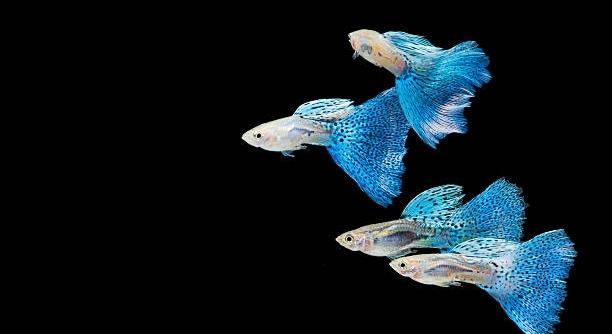
Guppies are popular aquarium fish known for their vibrant colors and lively behavior. However, sometimes they can be found floating lifelessly, leaving their owners concerned. Understanding the causes of this behavior can help in addressing the issue.
Several factors can cause guppies to float lifelessly, such as poor water quality, swim bladder disease, stress, or improper tank conditions. These factors disrupt the fish’s ability to swim and maintain buoyancy, resulting in lethargy and lifeless floating.
Knowing the reasons behind your guppies’ unusual behavior can guide you in improving their tank environment. By addressing these issues, you can help restore their health and prevent further complications.
Poor Water Quality
Water quality is crucial for guppies’ health. If the water in the tank is not maintained properly, it can lead to various health problems, including floating lifelessly. High levels of ammonia, nitrites, or nitrates can be toxic, disrupting the fish’s natural functions. Guppies are particularly sensitive to poor water conditions, which can cause them stress and interfere with their buoyancy. Regular water changes and using a good filtration system can help maintain a healthy environment for your fish. Checking the water’s pH, temperature, and chemical levels ensures the conditions stay within the safe range for guppies.
Make sure to monitor the tank’s water parameters regularly. Inconsistent water quality can lead to illness and cause your guppy to float lifelessly.
Maintaining water quality is a straightforward yet vital aspect of fish care. Routine testing and maintenance keep the water safe, making it easier to avoid problems that could affect your guppies’ ability to swim normally. Healthy water equals healthy guppies.
Swim Bladder Disease
Swim bladder disease is another common issue that can cause lifeless floating in guppies. This disease affects the swim bladder, an organ responsible for regulating buoyancy. When damaged or infected, it can cause the fish to float uncontrollably or become unable to maintain proper positioning in the water.
Treatment for swim bladder disease involves adjusting the guppies’ diet and water temperature. Sometimes, fasting for a few days can help the swim bladder recover.
In more severe cases, medication might be necessary. However, prevention is key. Ensuring your guppy’s diet is balanced and that the tank conditions remain stable can reduce the risk of this condition developing. Regularly monitoring your fish’s behavior helps detect problems early.
Stress
Stress can significantly affect guppies’ health and behavior, often leading to lifeless floating. Factors such as overcrowding, sudden changes in the tank environment, or even aggressive tank mates can cause stress. These stressors can weaken your guppy and impair its ability to swim.
A stressed guppy might display signs of lethargy and struggle to maintain its buoyancy. Creating a calm and stable tank environment will help reduce these issues. Ensure the tank is properly sized, with appropriate hiding spots for the fish to feel secure. It’s important to maintain a consistent routine for feeding and water changes to prevent unnecessary stress.
Managing stress requires a balance between environmental stability and proper care. Keep your tank clean, avoid overcrowding, and ensure that tank mates are compatible. Over time, reducing stress will allow your guppy to thrive and prevent the lifeless floating behavior from occurring.
Improper Tank Conditions
Improper tank conditions can cause a range of health issues, including lifeless floating. Factors like incorrect water temperature, poor filtration, and inadequate tank size can all contribute to this problem. Guppies need stable and suitable tank conditions to stay healthy and active.
Temperature fluctuations can affect their metabolism and buoyancy. Ensure that the tank’s water temperature remains consistent, typically between 72-82°F. A stable filter will help keep the water clean and free of toxins that may harm your fish. An under-filtered or overcrowded tank can easily cause your guppy to become sick.
Regular tank maintenance is essential for preventing such conditions. Adjust the tank setup to ensure your guppy has enough space and clean water to thrive. This will improve their overall health and prevent floating issues from occurring.
Overfeeding
Overfeeding can lead to serious health problems for guppies, including lifeless floating. When fed too much, guppies may struggle to digest their food properly, which can lead to swim bladder issues or bloating.
Overfeeding can also cause the water to become polluted quickly, leading to poor water quality. This adds stress to your guppy and makes it harder for them to maintain buoyancy.
To avoid overfeeding, feed your guppy small portions that they can consume within a few minutes. This ensures they get the right amount of nutrition without putting excess strain on their body.
Disease
Various diseases can cause a guppy to float lifelessly. Bacterial, fungal, or parasitic infections can weaken your fish and disrupt its normal swimming behavior. These conditions can often go unnoticed in the early stages, so it’s crucial to observe any changes in your guppy’s behavior.
Signs of disease may include discoloration, abnormal swimming patterns, or clamped fins. When left untreated, diseases can cause a guppy to lose the ability to swim or float lifelessly. The key to prevention is keeping your tank clean, quarantining new fish, and treating sick fish promptly.
Water Chemistry
Water chemistry is a critical aspect of your guppy’s well-being. If the pH, hardness, or salinity of the water is off, it can make your guppy stressed, sick, or even lifeless. Poor water chemistry can also impact their buoyancy, leaving them unable to swim properly.
Test your water regularly to ensure it remains within the optimal range for guppies. Maintain a stable pH level between 6.8 and 7.8 for healthy fish. Keep an eye on the hardness and other chemicals, as imbalances can lead to significant health issues.
FAQ
Why is my guppy floating lifelessly?
Floating lifelessly can be a sign of several issues, including poor water quality, swim bladder disease, stress, or improper tank conditions. Stressors like overcrowding, aggressive tank mates, and sudden changes in water conditions can all contribute to your guppy’s behavior. It’s important to regularly monitor water parameters like temperature, pH, and chemical levels. Additionally, ensure your guppy isn’t overfed, as overfeeding can lead to bloating or swim bladder problems. By eliminating potential stressors and maintaining good tank care, you can help restore your guppy’s health.
How can I fix poor water quality in my tank?
To improve water quality, you need to perform regular water changes, ideally 25-50% every week, depending on your tank’s size and the number of fish. A reliable filtration system is essential for maintaining clean water. You should also test the water for ammonia, nitrites, and nitrates. The ideal pH range for guppies is between 6.8 and 7.8. If these levels are off, consider using water conditioners or adjusting the tank’s filtration system to restore balance. Keeping the water parameters stable will reduce stress and health issues in your guppies.
What are the signs of swim bladder disease?
Swim bladder disease affects the fish’s ability to maintain buoyancy and swim properly. Symptoms include floating upside down, struggling to stay upright, or floating on the surface or sinking to the bottom. The fish may also have difficulty swimming or appear bloated. This condition can be caused by overfeeding, injury, or poor water quality. Treatment often involves adjusting their diet or, in more severe cases, fasting them for a few days. If the problem persists, consult an aquarium specialist for further advice.
How do I prevent overfeeding my guppy?
To avoid overfeeding, give your guppy only what it can eat within 2-3 minutes. Use a small amount of food, and be mindful of how much is left uneaten after feeding. Excess food that remains in the tank will break down and pollute the water, leading to poor water quality and stress. Offering food twice a day, in small portions, is typically sufficient for guppies. If you notice that your fish isn’t eating all the food, reduce the portion size. A balanced diet with the right type of food is key to keeping your guppy healthy.
Can my guppy recover from swim bladder disease?
Yes, guppies can recover from swim bladder disease if treated promptly. Depending on the cause, treatment may include adjusting the water temperature, fasting the fish for a few days, or feeding it a special diet to help alleviate the condition. If swim bladder disease is caused by an infection, medications may be necessary. It is essential to provide a clean and stable environment, as this will help your guppy recover. If the condition persists, seeking advice from a vet or aquarium expert is recommended.
How often should I clean my guppy’s tank?
Cleaning your guppy tank should be done regularly to maintain water quality. Perform partial water changes (about 25-50%) once a week to remove toxins and excess nutrients. Clean the substrate and decorations lightly to remove debris, but avoid disturbing the beneficial bacteria too much. The filter should also be cleaned monthly or according to the manufacturer’s instructions. Ensure the tank is well-maintained to prevent water quality issues that could affect your guppies’ health. A properly cleaned tank will keep your fish happy and reduce the chances of them floating lifelessly.
What temperature is best for guppies?
The ideal water temperature for guppies is between 72-82°F (22-28°C). If the water temperature fluctuates too much, it can cause stress, which may result in swimming problems or lifeless floating. Use a reliable aquarium heater to maintain a stable temperature, and monitor it regularly with a thermometer. Avoid placing your tank near windows or air conditioners, as this can cause temperature spikes or drops. Consistent temperature control is essential for keeping your guppies healthy and preventing buoyancy issues.
Can stress cause guppies to float lifelessly?
Yes, stress is one of the most common reasons why guppies float lifelessly. Stress can result from poor water quality, overcrowding, or incompatible tank mates. It can also occur when there are sudden changes in the tank’s environment, such as a change in water temperature or lighting. A stressed guppy may display other signs of distress, such as hiding or erratic swimming. Reducing stress involves maintaining stable water conditions, avoiding overcrowding, and ensuring your guppy has enough space and hiding places in the tank.
What should I do if my guppy is not eating?
If your guppy is not eating, it could be a sign of stress, illness, or poor water quality. First, check the water parameters to make sure everything is within the safe range. If the water quality is poor, clean the tank and perform a water change. If the water is fine, observe the guppy for signs of disease or discomfort. It may be suffering from swim bladder disease or other health issues. In such cases, you can try fasting the fish for a day or two and offering it small, easily digestible food like brine shrimp or daphnia.
Can swim bladder disease be prevented?
While swim bladder disease can’t always be prevented, you can reduce the risk by maintaining proper tank conditions. Avoid overfeeding, as this is one of the leading causes. Keep the water quality stable, and ensure the water temperature is within the correct range. A balanced diet that includes high-quality fish food will also help maintain the guppy’s digestive health. If you add new fish to the tank, be sure they are healthy and not carrying any diseases that could affect your guppies.
Final Thoughts
Taking care of guppies requires attention to detail, especially when it comes to maintaining a healthy environment for them to thrive. If your guppy is floating lifelessly, it could be due to several factors such as poor water quality, overfeeding, or even stress. These fish are sensitive to changes in their surroundings, and small adjustments can make a significant difference in their well-being. Monitoring water parameters regularly, avoiding overcrowding, and ensuring a proper diet are some of the best ways to prevent many of the common issues that lead to lifeless floating.
Swim bladder disease is another key concern that can cause your guppy to float abnormally. While this condition can be caused by overfeeding, it can also result from poor water conditions or injuries. If you notice your guppy struggling to swim or remaining motionless at the surface or bottom of the tank, it’s important to address the problem promptly. In many cases, adjusting the water temperature, fasting the fish, or offering a special diet can help your guppy recover. However, if the issue persists, seeking professional advice may be necessary.
In the end, the health and happiness of your guppy depend on the consistency of care you provide. By maintaining a clean tank, offering a balanced diet, and monitoring the water quality regularly, you can significantly reduce the chances of your guppy facing any issues. Paying attention to their behavior and acting quickly when problems arise will help ensure that your guppies remain vibrant and healthy, allowing them to live out their full potential in your aquarium.

Hello,
If you enjoy the content that we create, please consider saying a "Thank You!" by leaving a tip.
Every little bit helps us continue crafting quality advice that supports the health, happiness, and well-being of pets around the world, for pets of all shapes, sizes, and species.
We really appreciate the kindness and support that you show us!