
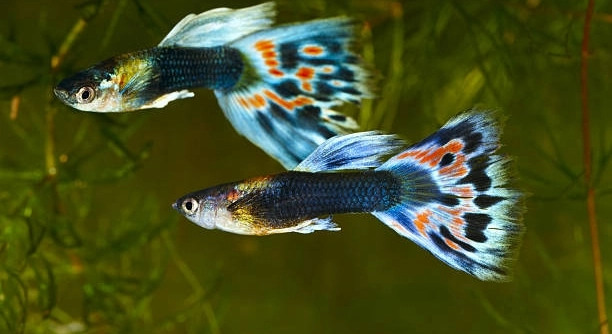
Guppies are lively and playful fish, but sometimes they seem to prefer swimming near the bottom of the tank. This behavior can raise concerns for fish owners. Understanding why this happens is essential for their well-being.
There are several reasons why guppies may swim near the bottom, including poor water quality, low oxygen levels, stress, or illness. Some guppies may seek shelter from aggressive tankmates or the environment, while others may simply be adjusting to their surroundings.
By recognizing these factors, you can take steps to improve your guppies’ environment. Proper care will help ensure they thrive and stay healthy in your aquarium.
Poor Water Quality
Guppies are sensitive to changes in water conditions, and poor water quality is a common reason for them to swim near the bottom. If the water is dirty or contains too much ammonia, nitrites, or nitrates, guppies can become stressed. These toxins can harm their health, causing them to seek areas with lower water movement, like the tank’s bottom. Regular water changes and proper filtration are essential in maintaining a safe environment. If left unchecked, poor water quality can lead to illness and even death.
Testing your tank’s water regularly will help you monitor levels of ammonia, nitrites, and nitrates. Make sure your filtration system is working efficiently and that the water temperature remains stable. This will prevent your guppies from retreating to the bottom out of distress.
Cleaning your tank regularly and maintaining good water quality can greatly improve the behavior and health of your guppies. Ensuring your aquarium’s water conditions are optimal will allow them to swim freely and comfortably throughout the tank.
Low Oxygen Levels
Low oxygen levels can also cause your guppies to stay near the tank’s bottom. Oxygen tends to be more abundant in the upper layers of the water, and when levels are low, guppies may look for areas with better access to oxygen, like near the substrate. This can happen when the water’s surface isn’t disturbed enough for oxygen exchange, especially in a tank without an air pump or strong filtration.
Inadequate aeration can lead to guppies struggling to breathe. As a result, they may stay near the bottom, where they feel they can get more oxygen. Regularly aerating the tank, either by using an air pump or ensuring good water movement with a filter, will help prevent this issue.
Aeration isn’t just about oxygen; it also improves water circulation. When water moves properly, it prevents stagnation and ensures that guppies can access oxygen-rich water throughout the tank.
Stress or Fear
Stress can make guppies retreat to the bottom of the tank. Changes in their environment, like new tankmates or loud noises, can cause anxiety. When guppies feel threatened, they may seek shelter at the bottom, away from perceived danger. Keeping the tank environment calm and stable helps reduce stress.
Sudden changes in temperature, light, or even water conditions can stress guppies. They are especially sensitive to strong currents or bright lights, which may force them to stay near the bottom. If you notice this behavior, consider adjusting the tank’s environment to provide a more comfortable setting for your fish.
Overcrowding is another stress factor. When too many guppies are kept in a small space, they may feel threatened and retreat to the bottom. Ensuring enough space in the tank will help reduce stress and allow guppies to feel secure in their environment.
Illness or Injury
Illness can cause guppies to swim near the bottom of the tank. Symptoms of common fish diseases include lethargy, loss of appetite, and difficulty swimming. If your guppy is sick, it might prefer the bottom for rest, where it feels safer.
Fish like guppies are also prone to internal parasites or infections, which can cause them to lose energy and swim less actively. If you notice your guppy staying at the bottom for extended periods, look for other signs of illness such as white spots, faded colors, or unusual behavior.
If an injury occurs, guppies may retreat to the bottom as well. A fish with an injury will often stay still in a corner or on the substrate to avoid movement. Checking for wounds and isolating sick fish can help prevent the spread of disease and ensure recovery.
Tank Conditions
The tank conditions can significantly impact your guppies’ behavior. Water that is too cold or too warm can make them seek cooler or warmer spots. It’s essential to maintain the right water temperature and ensure proper filtration and aeration.
If the water quality isn’t ideal, guppies may swim near the bottom due to poor oxygen levels or higher toxin concentrations. Regular water changes and proper equipment will prevent such problems. If they’re not comfortable in their environment, they’ll find the least stressful place, often near the substrate.
Ensuring the tank’s conditions are balanced promotes healthier and happier guppies. A comfortable, stable environment allows them to swim freely, avoiding unnecessary stress and health problems.
Tankmates
Aggressive or overly active tankmates can cause your guppies to retreat to the bottom. Fish that chase or nip at guppies will create an environment of fear, leading them to seek refuge. A peaceful community tank is vital.
Guppies thrive in peaceful environments where they’re not constantly under threat from other fish. If you notice aggression, consider separating the fish causing the stress. Adding more hiding spots or rearranging the tank could also provide more opportunities for your guppies to feel safe.
Overfeeding
Overfeeding can result in uneaten food settling at the bottom of the tank, leading to poor water quality. Guppies might swim near the bottom to scavenge or because of the discomfort caused by excess food in the tank.
FAQ
Why do my guppies stay at the bottom of the tank all the time?
Guppies may stay at the bottom of the tank for various reasons, including poor water quality, stress, low oxygen levels, illness, or injury. They might also be responding to changes in their environment, like new tankmates or a sudden shift in temperature. Keeping the water clean, maintaining stable tank conditions, and providing a peaceful environment will help ensure your guppies stay healthy and active.
Can low oxygen levels cause my guppies to swim near the bottom?
Yes, low oxygen levels can lead guppies to stay near the bottom. The bottom of the tank may have more oxygen, especially in tanks without proper aeration or filtration. If you notice your guppies acting lethargic or hovering near the substrate, it’s a sign that the oxygen levels in your tank might be insufficient. Adding an air pump or improving water movement can help increase oxygen distribution.
Do guppies swim at the bottom when they are stressed?
Stress is a common cause for guppies to retreat to the bottom. They might feel threatened by aggressive tankmates, sudden changes in the tank environment, or loud noises. Guppies are sensitive to their surroundings, and if they feel insecure, they will often stay at the bottom to feel safer. Ensuring a calm and stable environment will help reduce stress and encourage your guppies to swim freely.
Could my guppies be sick if they are swimming near the bottom?
Yes, illness could be a factor if your guppies are staying near the bottom. Guppies suffering from diseases, parasites, or injuries may appear lethargic and retreat to the tank’s bottom to rest. Look for signs of illness like faded colors, unusual swimming patterns, or visible sores. If you suspect your guppy is sick, isolating it and providing treatment is essential.
Is it normal for guppies to swim at the bottom when they are sleeping?
Guppies do sleep, and they often rest at the bottom of the tank, especially in the late hours of the night. This behavior is perfectly normal. However, if they spend an excessive amount of time near the bottom during the day, it could be a sign of stress, poor water quality, or illness. Observe their behavior over time to determine if it’s simply resting or if there’s an underlying issue.
Can overfeeding cause guppies to swim at the bottom?
Yes, overfeeding can contribute to guppies staying near the bottom. When excess food settles at the bottom, it can lead to poor water quality and high ammonia levels. Guppies may also swim near the bottom to scavenge for leftover food. Feeding them the right amount and removing uneaten food after a few hours can prevent this issue. Always ensure that you’re not overfeeding your guppies, as it can harm their health and the water conditions.
How can I improve the tank conditions to prevent my guppies from swimming at the bottom?
To keep your guppies from swimming near the bottom, make sure the water quality is optimal. Perform regular water changes, test water parameters such as pH, ammonia, nitrites, and nitrates, and ensure the temperature is within the recommended range for guppies. Adding proper filtration, aeration, and decorations like plants or rocks will also help create a more stable environment and reduce stress.
Do guppies hide at the bottom when they are spawning?
During spawning, guppies may swim closer to the bottom of the tank, especially if there are more hiding spots. Female guppies, in particular, might seek refuge at the bottom to avoid the male’s persistent chasing. Providing plenty of hiding spaces with plants or decorations can help female guppies feel more secure while spawning, reducing stress and encouraging natural behaviors.
Is it safe to add new tankmates if my guppies are swimming near the bottom?
If your guppies are swimming near the bottom, adding new tankmates might cause more stress, especially if the guppies are already stressed or sick. It’s essential to first address any potential causes like water quality or tank conditions. Once your guppies are in a more stable environment, adding peaceful tankmates can help improve their activity levels.
Why are my guppies swimming in circles near the bottom?
If your guppies are swimming in circles near the bottom, it could be due to poor water quality, low oxygen levels, or even a bacterial infection. It may also be caused by a neurological problem, especially if the behavior is persistent. Testing the water and observing the guppies for other signs of illness is the best way to address the issue.
Can water temperature fluctuations cause guppies to swim near the bottom?
Yes, sudden changes in water temperature can cause guppies to swim near the bottom. Guppies prefer a stable temperature between 72-82°F (22-28°C). If the water is too hot or too cold, they may move to the bottom to escape the discomfort. Using a reliable aquarium heater and thermometer will help maintain a consistent water temperature.
Final Thoughts
Understanding why your guppies swim near the bottom of the tank is key to ensuring their well-being. There are many possible reasons, such as stress, poor water quality, illness, or environmental changes. It is important to pay attention to the conditions in the tank and observe the behavior of your guppies to determine if any of these factors are affecting them. The main focus should be maintaining a stable and healthy environment. Clean water, proper filtration, and temperature control are essential to a thriving aquarium.
Additionally, monitoring your guppies’ health is crucial. If they are constantly staying at the bottom, it could indicate an underlying health issue, such as a disease or injury. Regular observation and quick action, such as isolating a sick guppy or adjusting the water parameters, will help prevent more serious health problems. Ensuring that all the fish in your tank feel safe and secure can reduce stress, which is one of the most common causes of abnormal swimming behavior. Adding plants, hiding spots, or rearranging the tank can provide a sense of security for your guppies.
Lastly, remember that guppies, like all fish, have specific care needs that must be met to keep them healthy and happy. Overfeeding, overcrowding, and incompatible tankmates can all contribute to behavior changes. Regular maintenance, feeding in moderation, and choosing peaceful companions can prevent many of the common issues that lead guppies to swim at the bottom. With proper care and attention, your guppies will be able to swim freely and live a long, healthy life in your aquarium.

Hello,
If you enjoy the content that we create, please consider saying a "Thank You!" by leaving a tip.
Every little bit helps us continue crafting quality advice that supports the health, happiness, and well-being of pets around the world, for pets of all shapes, sizes, and species.
We really appreciate the kindness and support that you show us!