
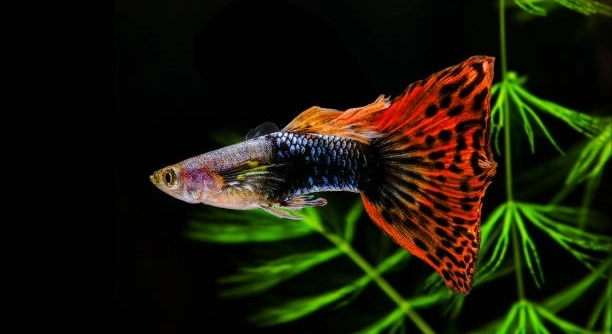
Guppies are popular freshwater fish that are often kept in small tanks. Their lively nature makes them a joy to care for. However, ensuring their happiness in a confined space requires a few simple strategies.
To keep guppies happy in small tanks, focus on maintaining a stable environment with clean water, appropriate tank mates, and regular feeding. Ensuring they have space to swim and offering hiding spots also contributes to their well-being.
By following these steps, you can easily create an ideal habitat for your guppies, promoting their health and happiness in a smaller tank.
Maintain Clean Water
Water quality is essential for guppy health. In a small tank, waste and uneaten food accumulate quickly, so regular water changes are necessary. Aim to replace 25-30% of the water weekly. Use a filter to help keep the tank clean and reduce harmful toxins. Regularly test the water for ammonia, nitrites, and pH levels. Guppies thrive in stable conditions, and monitoring these parameters ensures their environment stays safe and healthy. Be sure to use dechlorinated water to avoid harming your fish. A consistent water-changing routine will help prevent the buildup of harmful substances.
Water changes are an easy yet effective way to keep guppies healthy. They not only clear out waste but also help maintain proper oxygen levels. Regular maintenance will make a significant difference in the overall well-being of your fish.
If the water in your tank becomes murky or smells bad, it’s a sign the tank isn’t being cleaned often enough. For optimal health, invest in a reliable filter and always monitor your tank’s conditions.
Provide Adequate Space
Small tanks may feel cramped for guppies, leading to stress. Though they don’t need large aquariums, ensure they have enough space to swim freely. A tank that is at least 10 gallons can house a few guppies comfortably. The bigger the tank, the better for maintaining water quality and providing ample swimming room. Overcrowding is harmful to fish, so don’t add too many to a small space. If the tank is too crowded, guppies may become stressed, aggressive, and more susceptible to illness. Even in smaller tanks, each guppy should have space to explore and hide when needed.
Adding decorations like plants and rocks can provide hiding spots and enrichment, giving your guppies room to roam. These additions also help mimic their natural habitat, which is beneficial for their mental health.
Ensuring the right tank size is one of the most important factors for keeping guppies happy. A spacious environment allows them to exhibit their natural behaviors and remain stress-free.
Proper Feeding
Feed your guppies high-quality food in small amounts. Overfeeding can lead to poor water quality. A variety of flakes, pellets, and live or frozen foods will help meet their nutritional needs. Feed them once or twice a day, offering just enough for them to finish in a few minutes. Avoid leaving uneaten food in the tank, as it can decay and pollute the water.
Guppies are omnivores, so they benefit from a mix of plant-based and protein-rich foods. You can also offer them brine shrimp or daphnia as occasional treats. Regularly rotating their diet will ensure they get a balance of nutrients. It’s essential not to overfeed, as this will cause waste buildup.
A healthy feeding routine contributes to guppy happiness and prevents unnecessary stress. Make sure to remove leftover food after a few minutes to maintain a clean environment. If you notice any uneaten food, adjust the amount you’re offering next time.
Tank Temperature and Lighting
Guppies prefer water temperatures between 72°F and 82°F. Keep the tank in a room with a stable temperature, and invest in a reliable heater to maintain warmth. Sudden temperature fluctuations can stress your fish and lead to illness. Consistent heating is key to a healthy, happy tank. Be sure to regularly check the water temperature with an accurate thermometer.
Lighting is also important. Guppies do well with around 8-12 hours of light per day, simulating natural day-night cycles. Use an aquarium light to create this rhythm. This helps prevent stress and encourages normal activity patterns. Turn off the lights at night to give them a restful sleep.
Maintaining a consistent temperature and lighting schedule helps promote natural behavior. A stable environment will keep your guppies healthy and active, so make sure they are always in a comfortable, consistent setting.
Tank Mates
Choose peaceful tank mates that won’t stress or harm your guppies. Avoid aggressive fish like bettas or larger species. Small, non-threatening fish such as neon tetras or rasboras are good companions. Also, keep an eye on the number of fish to prevent overcrowding, which can lead to stress.
Avoid mixing guppies with species that might nip at their fins or compete aggressively for food. Ensuring a calm tank will help your guppies feel safe and secure. Having peaceful neighbors is key to a stress-free environment. Always observe how the fish interact to avoid any issues.
Plant Decorations
Adding live plants can provide hiding spots and a more natural environment. Plants like java fern or anubias are easy to care for and offer shade and resting spots. Make sure plants don’t overcrowd the tank or block swimming space. Trim plants regularly to keep the tank balanced.
Plants help maintain water quality by absorbing excess nutrients. They also provide areas for guppies to explore and hide, which promotes their well-being. A well-planted tank mimics their natural habitat, reducing stress. Plus, the greenery adds visual interest and makes your tank look beautiful and more appealing.
Frequent Monitoring
Regularly check your guppies for signs of illness or stress. Watch for changes in behavior, such as lethargy or unusual swimming patterns. Always test the water for ammonia, nitrites, and pH to ensure it’s safe. Early detection is crucial in preventing potential issues from worsening.
FAQ
How many guppies can live in a small tank?
The general rule for guppies is one inch of fish per gallon of water. Since guppies are small, you can typically house 4-5 guppies in a 10-gallon tank. Overcrowding should be avoided as it leads to poor water quality and stress. Always monitor your fish to ensure they’re comfortable.
Can guppies live with other fish?
Yes, guppies can live with other peaceful fish. Avoid aggressive species like bettas or goldfish. Tetras, mollies, and platies are great companions. The key is to choose peaceful tank mates that won’t cause stress. Keep an eye on the dynamics of the tank to prevent any issues.
Do guppies need a filter?
Yes, guppies need a filter to help maintain clean water. Filters remove excess waste, uneaten food, and toxins from the tank. Even in a small tank, a good filter will help keep the water quality high, reducing the risk of disease. Regular cleaning of the filter is also essential for its effectiveness.
How often should I change the water in a small guppy tank?
In a small tank, water changes should be done weekly. Replace 25-30% of the water every week to maintain good water quality. Be sure to use a dechlorinator to remove chlorine or chloramine from tap water. Regular water changes prevent the build-up of waste and harmful chemicals.
What should I feed guppies?
Guppies are omnivores, so they thrive on a varied diet. Offer them high-quality flake food or pellets as a base. Supplement with live or frozen foods like brine shrimp, daphnia, or bloodworms for protein. Small amounts of blanched vegetables, such as spinach, can also be a healthy treat.
How can I prevent my guppies from getting sick?
To prevent illness, maintain good water quality by regularly cleaning the tank and testing the water. Keep the tank at a stable temperature and avoid overcrowding. Offer a varied diet and ensure your guppies have enough space to swim. Keep an eye out for any behavioral changes or physical signs of illness.
How do I know if my guppy is stressed?
Signs of stress in guppies include erratic swimming, hiding more than usual, or staying near the water surface. Stress can be caused by poor water quality, overcrowding, or aggressive tank mates. Addressing these issues promptly can help restore their well-being.
What is the best water temperature for guppies?
Guppies thrive in water temperatures between 72°F and 82°F (22°C to 28°C). It’s important to maintain a consistent temperature. Sudden changes can stress your guppies, making them more susceptible to illness. A reliable aquarium heater will help regulate the temperature.
Can guppies live in a tank without a heater?
While guppies can tolerate slightly cooler water, it’s best to have a heater to maintain a consistent temperature. Without a heater, fluctuations in water temperature can cause stress and affect their immune system. If you live in a warm climate, check that the room temperature stays within the ideal range.
How long do guppies live?
Guppies generally live for 2 to 3 years, but with proper care, they can live longer. A clean tank, balanced diet, and stable environment can extend their lifespan. It’s important to monitor their health regularly and address any potential issues early to ensure a long and healthy life.
Do guppies need light?
Yes, guppies do best with a day-night cycle. They need around 8-12 hours of light each day, which can be provided by a timer or aquarium light. Ensure they have a period of darkness to rest. Too much light can cause algae growth and stress the fish.
Can I breed guppies in a small tank?
Yes, you can breed guppies in a small tank, but make sure there’s enough space for both the adults and the fry (baby guppies). You may want to use a breeding box or separate the male and female to control breeding. Also, provide hiding spots for the fry, as adult guppies might eat them.
Why are my guppies swimming at the surface of the tank?
Guppies swimming at the surface could indicate a few things. It might be due to low oxygen levels in the water, or they could be hungry. Check the water quality, ensure the filter is working, and observe their feeding behavior. If the behavior persists, monitor their health closely.
What is the best way to clean a small guppy tank?
To clean a small guppy tank, start by removing any uneaten food and debris from the bottom. Use a gravel vacuum to remove dirt from the substrate. Clean the glass with an aquarium-safe cleaner. Finally, perform a partial water change and replace the filter media when needed.
How can I tell if my guppy is pregnant?
Pregnant female guppies develop a dark spot near their abdomen, called a gravid spot. This indicates that she’s carrying eggs. As pregnancy progresses, the spot becomes more noticeable. Watch for changes in behavior, such as increased hiding or reduced activity, as she prepares to give birth.
Are guppies hardy fish?
Yes, guppies are relatively hardy, making them great for beginners. They can tolerate a range of water conditions but do best when their environment is stable. Regular maintenance of the tank and monitoring their health will ensure they thrive in your care.
Final Thoughts
Caring for guppies in small tanks can be a rewarding experience when you create the right environment for them. With the proper water conditions, tank mates, and food, guppies can thrive in a compact space. Regular tank maintenance is key to maintaining healthy water quality, as even small changes can impact their well-being. Guppies are adaptable and hardy fish, but their happiness and health depend on the attention you give to their living conditions. By ensuring your tank is properly set up and maintained, you can enjoy the beauty and activity of these colorful fish for a long time.
Guppies are known for their playful and lively nature, making them an enjoyable addition to any aquarium. Their small size makes them ideal for smaller tanks, but they still require plenty of care and attention. Keep in mind that guppies are social creatures, so it’s essential to avoid overcrowding and provide them with peaceful tank mates. Offering a varied diet and checking water quality regularly will help keep them healthy and happy. With these simple steps, you can ensure that your guppies remain vibrant and full of life.
In the end, taking the time to understand and meet the needs of your guppies will pay off. These little fish bring color and movement to your tank, and when they’re well cared for, they create a lively atmosphere. Small tanks can be just as effective as larger ones when properly maintained. With careful planning, you can create an ideal home for your guppies, allowing them to live out their full potential in a safe and stress-free environment.

Hello,
If you enjoy the content that we create, please consider saying a "Thank You!" by leaving a tip.
Every little bit helps us continue crafting quality advice that supports the health, happiness, and well-being of pets around the world, for pets of all shapes, sizes, and species.
We really appreciate the kindness and support that you show us!