
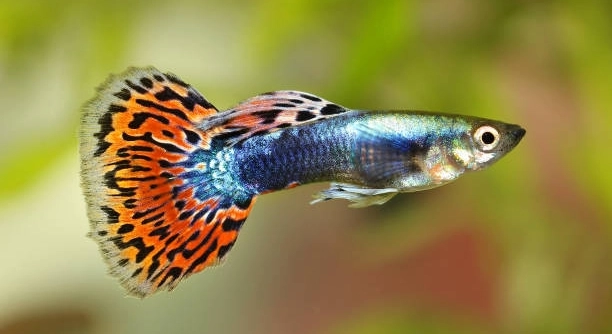
Guppies are vibrant fish that bring beauty to any aquarium, but sometimes, they can face health issues like losing scales. This can be worrying, especially for new fish owners who aren’t sure what might be happening.
The most common reasons for a guppy losing scales include poor water quality, infections, physical injuries, parasites, or aggression from other fish. These factors can cause damage to your guppy’s skin, leading to scale loss over time.
By understanding the causes behind this, you can take the right steps to improve your guppy’s health and prevent further issues.
Poor Water Quality
One of the most common reasons guppies lose their scales is poor water quality. Water that is too dirty or has incorrect parameters can stress your guppy, leading to skin damage. Ammonia, nitrites, and nitrates in the water can cause irritation, making guppies more vulnerable to losing scales. If water conditions are not properly maintained, your fish can experience skin lesions or wounds. Guppies are sensitive to these changes and may begin to show signs of stress, including scale loss, reduced activity, or even difficulty swimming. Keeping the water clean and balanced is essential for their overall health.
Regular water changes are crucial to keeping water quality in check. Ensuring your aquarium filter is functioning correctly and performing routine tests for pH, ammonia, nitrites, and nitrates will help. If the water quality is poor, it’s important to take action quickly. Test your water, perform a partial water change, and check your filtration system. A healthy environment can prevent scale loss and keep your guppy vibrant and active.
Poor water quality can be addressed easily with some basic steps. Keep your tank clean and ensure the filtration system is working as it should.
Physical Injury
Physical injuries can cause guppies to lose scales as well. Sometimes, guppies may injure themselves by swimming into sharp objects or getting too close to rough decorations. In other cases, aggression from tank mates can result in physical wounds, which may lead to scale loss. Guppies are often peaceful fish, but if they are housed with more aggressive species, they could be at risk of injury. This often happens when a larger or more dominant fish chases or nips at your guppy.
It’s important to monitor your fish closely and remove any aggressors or sharp objects from the tank that could cause injury. Additionally, placing guppies in a community tank with other non-aggressive species can help prevent physical harm. Always observe how your fish interact to ensure they are not stressed or injured.
Ensure your guppy’s tank has safe, smooth decorations and that it’s filled with peaceful tank mates. This can prevent unnecessary injuries and scale loss.
Infections
Infections are another major reason why guppies lose scales. Bacterial and fungal infections can cause lesions and skin damage. If untreated, these infections can lead to severe scale loss. Guppies are particularly vulnerable to these infections if their immune system is compromised due to poor water quality or stress. It’s crucial to recognize the early signs, such as discoloration or swelling around the affected area.
Treating an infection requires a proper diagnosis and timely intervention. Adding aquarium salt or using anti-fungal or anti-bacterial treatments can help heal the wound and prevent further scale loss. Always quarantine infected fish to avoid spreading the infection to others. Monitoring your fish and acting quickly can save their health.
Regularly check your guppies for any signs of illness. If you notice any unusual behavior or visible marks, take action immediately to treat the infection and protect your fish.
Parasites
Parasites can also contribute to scale loss in guppies. External parasites, like ich or velvet, can damage the fish’s skin, leading to the shedding of scales. These parasites can cause itching or irritation, prompting your guppy to rub against surfaces in the tank. If left untreated, they can affect the overall health of your fish and lead to further complications, including scale loss.
Treating parasitic infestations requires a different approach depending on the type of parasite. Using medications designed to target specific parasites is essential for effective treatment. Make sure to follow instructions carefully to avoid harming the fish or other tank inhabitants.
To prevent parasites, maintain a clean tank and quarantine new fish before introducing them to the aquarium. Regularly observe your guppies for signs of external parasites to catch issues early.
Aggression from Tank Mates
Aggressive fish can cause your guppy to lose scales. Tank mates that are too territorial or dominant may nip at your guppy, leading to physical damage. Even small bites can result in noticeable scale loss over time. Keeping peace in your tank is essential to prevent this issue.
To minimize aggression, house guppies with peaceful species. Avoid mixing them with fish known for territorial behavior or fin nipping. Regularly observe your tank to ensure all fish are getting along well and are not stressed by aggressive interactions.
Improper Diet
An improper diet can weaken your guppy’s health, making them more susceptible to scale loss. Feeding them an unbalanced or inadequate diet may affect their skin and overall vitality. Nutrient deficiencies can lead to weakened scales, making your guppy more vulnerable to environmental stress or infections.
Ensure your guppies receive a well-rounded diet that includes high-quality flakes, pellets, and occasional live foods. This will help boost their immune system and promote healthy skin. Overfeeding or underfeeding can both have negative effects, so it’s important to provide the right portion sizes.
Stress
Stress is another significant factor that can cause your guppy to lose scales. Stress from overcrowding, sudden water changes, or inappropriate tank conditions can make your fish more vulnerable to skin damage. Prolonged stress weakens the immune system, leading to more severe health issues, including scale loss.
Maintaining a stable environment with appropriate tank size, water quality, and temperature is key to preventing stress. Reducing tank activity and ensuring your fish have plenty of hiding spots can also help minimize stress levels. Healthy, unstressed guppies are less likely to lose their scales.
FAQ
Why is my guppy losing scales?
There are several reasons why your guppy may be losing scales. Poor water quality, physical injuries, infections, parasites, aggression from tank mates, stress, and an improper diet can all contribute to this issue. It’s important to identify the underlying cause so you can address it appropriately. Regular water changes, proper feeding, and maintaining a peaceful environment can prevent most of these issues from occurring.
Can poor water quality cause scale loss in guppies?
Yes, poor water quality is one of the most common causes of scale loss in guppies. Ammonia, nitrites, and nitrates in the water can irritate your guppy’s skin, making them more susceptible to losing scales. Keeping the water clean and balanced is essential to avoid this problem.
How do I know if my guppy has an infection?
Signs of an infection in your guppy include redness, swelling, or visible lesions on the skin. You may also notice behavioral changes such as reduced activity, erratic swimming, or difficulty breathing. If left untreated, an infection can cause your guppy to lose scales. It’s important to quarantine infected fish and treat them with appropriate medications as soon as possible.
What should I do if my guppy is injured and losing scales?
If your guppy has an injury causing scale loss, ensure the tank is clean and monitor the wound closely. Injuries can heal on their own if the water quality is good, but if the injury becomes infected, it may require treatment. In some cases, adding aquarium salt can help promote healing and prevent infection.
How can I prevent aggression from tank mates?
To prevent aggression, house your guppies with peaceful fish that won’t nip at them. Avoid mixing them with larger or more territorial species. Providing plenty of hiding spots and plants in the tank will give your guppy places to retreat if they feel threatened. Regularly monitor tank behavior and remove any aggressive fish if necessary.
What kind of diet is best for my guppy?
A well-balanced diet is essential for keeping your guppy healthy and preventing scale loss. Feed your guppy a mix of high-quality flakes or pellets, along with occasional live or frozen foods like brine shrimp or daphnia. This ensures they get all the necessary nutrients for good skin health and overall well-being.
Can stress lead to scale loss in guppies?
Yes, stress can cause guppies to lose scales. Stressful conditions, such as overcrowding, sudden water changes, or an unstable environment, can weaken your guppy’s immune system, making them more prone to skin damage and scale loss. Keeping a stable environment and minimizing stressors is crucial for preventing this issue.
How can I improve my guppy’s water quality?
Improving water quality involves performing regular water changes (about 25% every week), ensuring proper filtration, and regularly testing the water for pH, ammonia, nitrites, and nitrates. Using a reliable water testing kit will help you maintain the ideal water conditions for your guppy’s health. Clean the filter regularly and replace any worn-out filter media.
Can parasites cause my guppy to lose scales?
Yes, external parasites like ich or velvet can damage your guppy’s skin and cause scale loss. These parasites can cause irritation and itching, leading to your guppy rubbing against surfaces, which can further damage their skin. Using anti-parasitic treatments and quarantining infected fish can help stop the spread and heal your guppy.
How do I treat parasites in my guppy?
The treatment for parasites depends on the type of parasite. For ich, raising the tank’s temperature slightly can help speed up the life cycle of the parasite, making it easier to target with medication. For velvet or other parasites, specific anti-parasitic medications are available. Follow the instructions carefully to treat your fish without harming the rest of the tank.
What is the best way to reduce stress for my guppy?
To reduce stress, ensure your tank is not overcrowded and that your guppy has plenty of space to swim. Keep the water parameters stable, avoid sudden temperature changes, and minimize disturbances. Adding plants and decorations provides hiding spots, which help your guppy feel secure and reduce stress.
Can overcrowding cause scale loss in guppies?
Yes, overcrowding can cause stress, leading to scale loss. When fish are kept in too small of a space, they compete for food and space, which can lead to aggression, poor water quality, and weakened immune systems. It’s important to provide enough space for each fish to thrive.
How can I tell if my guppy is sick or just stressed?
If your guppy is sick, you may notice visible symptoms like lesions, white spots, or abnormal swimming. Sick fish may also have trouble eating, become lethargic, or show signs of breathing difficulties. Stress, on the other hand, often causes behavioral changes such as hiding or rapid swimming without visible physical symptoms.
Final Thoughts
Losing scales can be concerning for any guppy owner, as it signals an issue with their health or environment. Identifying the cause of scale loss is crucial in preventing further damage or discomfort for your fish. Whether it’s due to poor water quality, stress, or a more serious health problem like infections or parasites, addressing the issue promptly can make a significant difference in your guppy’s recovery. Understanding the different factors that contribute to scale loss will help you take the right steps to keep your fish healthy and happy.
One of the most important things you can do is ensure that the water quality in your tank is consistently optimal. Regular water changes and maintaining proper filtration will reduce the risk of scale loss caused by toxins or stress. Additionally, maintaining a peaceful environment with appropriate tank mates and sufficient space will minimize aggression, which is another common reason for scales to be lost. A balanced diet is equally important; providing your guppies with nutritious food will help support their immune system, making them less vulnerable to infections and other health issues.
Lastly, always be vigilant about the health and behavior of your guppies. Early detection of health issues, such as parasites or signs of infection, is key to preventing further complications. By regularly observing your fish, you’ll be able to spot any signs of stress, injury, or illness before they worsen. Taking preventive measures and reacting quickly when problems arise will help ensure your guppies live long, healthy lives, free from unnecessary suffering. Keeping these points in mind will not only improve the well-being of your guppy but also enhance your experience as an aquarium owner.

Hello,
If you enjoy the content that we create, please consider saying a "Thank You!" by leaving a tip.
Every little bit helps us continue crafting quality advice that supports the health, happiness, and well-being of pets around the world, for pets of all shapes, sizes, and species.
We really appreciate the kindness and support that you show us!