
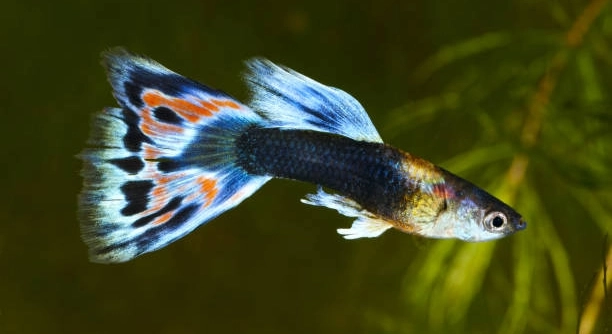
If you’ve noticed your guppy swimming upside down, it can be a concerning sight for any fish owner. While it may seem alarming, there are various factors at play that can explain this behavior. Understanding the causes can help address the issue.
The most common reasons your guppy swims upside down include swim bladder disorder, poor water quality, and physical injury. Additionally, stress or overfeeding may contribute to this behavior. Ensuring optimal tank conditions can help prevent further complications.
Knowing how to identify the causes of this behavior is essential. Keeping your guppy healthy and happy requires attention to their environment and care needs.
Swim Bladder Disorder
Swim bladder disorder is one of the most common reasons for a guppy swimming upside down. The swim bladder is an organ that helps regulate buoyancy. When this organ is affected, the fish may struggle to maintain normal swimming positions. This can be caused by infections, injury, or even genetic issues. If the swim bladder isn’t working properly, your guppy may float at the surface or sink to the bottom, often appearing upside down.
A variety of factors, including poor water quality or high stress, can make swim bladder disorder worse. This issue can also occur in younger guppies or during the breeding season when hormonal changes might interfere with swim bladder function.
The good news is that this issue can often be addressed with adjustments to your tank. Improving water conditions, reducing stress, and offering a balanced diet can sometimes help the guppy recover. In severe cases, special treatments or medication may be necessary. Always monitor their behavior closely.
Poor Water Quality
Water quality plays a significant role in your guppy’s overall health. Dirty water with high levels of ammonia or nitrites can disrupt their systems. If the water is not regularly changed or filtered, toxins can build up, affecting your guppy’s buoyancy and causing them to swim erratically.
To prevent poor water quality from affecting your guppy, ensure your aquarium is properly maintained. Regular water changes, filtering, and testing the water are key steps in keeping your guppy healthy. Be mindful of any changes in the tank’s temperature or pH, as these can also contribute to the problem.
Overfeeding and Digestive Issues
Overfeeding is another common issue for guppies that can lead to swimming upside down. When guppies consume more food than they can digest, it can lead to digestive problems. This may cause the fish to swim unnaturally, struggling to stay balanced in the water.
Guppies have small stomachs, so overfeeding can result in bloating and even constipation. To avoid this, feed your guppy small portions several times a day. Also, ensure you’re offering the right type of food for their diet. Foods that are high in fiber can help with digestion and prevent issues.
When feeding, always remember to remove any uneaten food to prevent it from decomposing and affecting the water quality. Regular monitoring of their eating habits and behavior will help prevent digestive problems and keep your guppy swimming upright.
Stress and Anxiety
Stress can cause guppies to swim upside down or exhibit other abnormal behaviors. Stress is often triggered by sudden changes in their environment, such as new tank mates, loud noises, or changes in water conditions. Guppies are sensitive to their surroundings, and high stress levels can lead to swimming issues.
When guppies are stressed, they may lose their natural swimming patterns, causing them to appear disoriented. Reducing stress can be done by keeping their environment stable and ensuring they have enough space to swim. Also, avoid overcrowding the tank, as too many fish can increase stress levels.
It’s also important to give your guppy time to adjust to any changes in the tank. Adding plants or hiding spots can help them feel more secure. If you notice your guppy swimming upside down after a recent change, give them a few days to settle down.
Overcrowding
Overcrowding can quickly lead to a variety of health issues for guppies. When there are too many fish in a tank, it puts stress on the water quality and limits space for swimming. Overcrowding can cause not only swimming problems but also aggression between tank mates.
Guppies thrive in tanks where they have enough space to swim freely. When there is not enough room, they become stressed and more susceptible to health issues like swim bladder disorder. It’s crucial to adhere to the recommended stocking levels for your tank size.
If you’re unsure of the tank’s capacity, make sure there is at least one gallon of water per inch of fish. This helps maintain proper water quality and ensures your guppy has enough space to swim. Keep track of the number of fish in your tank to avoid overcrowding.
Physical Injury
Physical injury can cause a guppy to swim upside down. If your guppy has been injured, whether from a fight with tank mates or an accident, it may struggle to maintain normal buoyancy. Injuries can affect the swim bladder or other parts of the body.
An injury to the body can cause swelling or damage that disrupts your guppy’s swimming ability. If the injury is severe, it may require isolation from other fish for proper healing. During recovery, provide a stress-free environment with clean, warm water. Keeping the tank quiet and calm will aid in the healing process.
Disease
Disease can cause a variety of symptoms in guppies, including swimming upside down. Many diseases affect the swim bladder, leading to buoyancy problems. Common illnesses, such as bacterial infections, parasites, or fungal issues, can cause abnormal swimming behavior.
To prevent disease, ensure your guppy’s tank is clean and the water quality is optimal. If you suspect your guppy is sick, it’s essential to act quickly. A quarantine tank can help prevent the spread of illness. Medications specific to the type of disease should be used to treat the illness effectively.
FAQ
Why is my guppy swimming upside down?
There are several reasons why your guppy may be swimming upside down. The most common cause is swim bladder disorder, which affects the buoyancy of the fish. Poor water quality, stress, overcrowding, and physical injury can also lead to abnormal swimming behavior. In some cases, overfeeding or digestive issues may cause bloating, leading to disorientation and upside-down swimming.
Can poor water quality cause my guppy to swim upside down?
Yes, poor water quality is a major contributor to abnormal swimming in guppies. High levels of ammonia, nitrites, or low oxygen can stress your guppy and cause swim bladder issues. It’s important to regularly test and maintain the water quality by doing frequent water changes and keeping the tank filtered. This will help reduce the chances of your guppy swimming upside down.
How do I treat swim bladder disorder in my guppy?
Treating swim bladder disorder can depend on the cause. First, ensure the water quality is optimal, as poor water conditions often contribute to the problem. If the disorder is caused by constipation, fasting your guppy for a few days and offering peas can help. In severe cases, medication may be necessary. If your guppy has been injured or infected, isolation and targeted treatment may be required.
Can overfeeding cause my guppy to swim upside down?
Yes, overfeeding is another common cause of swimming problems in guppies. When they consume too much food, it can lead to digestive issues like bloating or constipation, affecting their buoyancy. To avoid this, feed your guppy small portions multiple times a day and remove any uneaten food after a few minutes.
What is the best way to prevent my guppy from swimming upside down?
The best way to prevent your guppy from swimming upside down is by maintaining a stable and clean environment. Regular water changes, proper filtration, and avoiding overcrowding are key. Ensure your guppy has enough space to swim and reduce stress by adding hiding spots and keeping their environment calm. Also, avoid overfeeding and make sure they are not exposed to drastic temperature or pH changes.
How can I tell if my guppy is stressed?
A stressed guppy may display erratic swimming, hide more often, or even stop eating. Stress can be caused by overcrowding, sudden changes in water conditions, or conflicts with tank mates. Keep an eye on their behavior and check for signs of stress such as rapid gill movement, shaking, or lethargy. If you notice these signs, try to identify and address the cause of the stress.
Can disease cause my guppy to swim upside down?
Yes, certain diseases can lead to abnormal swimming behavior in guppies. Infections or parasites that affect the swim bladder or other internal organs may cause your guppy to swim upside down. If you suspect your guppy is sick, it’s important to isolate them from other fish and treat them with appropriate medication. Also, ensure the tank’s water quality is optimal to help prevent future health issues.
How can I improve water quality for my guppy?
Improving water quality involves regular water changes (about 25% every week), keeping the water temperature stable, and ensuring proper filtration. Test the water regularly for ammonia, nitrites, and pH levels. You can also use water conditioners to neutralize chlorine and heavy metals. A clean tank with a good filtration system is crucial to keeping your guppy healthy.
Should I isolate my guppy if it’s swimming upside down?
If your guppy is swimming upside down, isolating it may help reduce stress and prevent the spread of disease if the cause is infection. Place your guppy in a quarantine tank with clean, stable water and monitor its behavior closely. This will give it a chance to recover without competition from other fish.
How long will it take for my guppy to recover from swimming upside down?
The recovery time for a guppy depends on the cause of the problem. If it’s due to swim bladder disorder caused by constipation or overfeeding, they may recover within a few days with the right care. However, if the issue is caused by disease, injury, or poor water quality, it may take longer, and you may need to adjust the treatment accordingly.
Can I prevent my guppy from getting sick?
Yes, you can prevent your guppy from getting sick by maintaining a healthy environment. Regular water changes, proper filtration, and avoiding overcrowding are important steps in preventing disease. Also, provide a balanced diet and avoid overfeeding. Keep an eye on your guppy’s behavior, and act quickly if you notice any signs of illness.
Is it normal for a guppy to swim upside down occasionally?
Occasional upside-down swimming is not normal and often indicates an issue with the guppy’s health or environment. However, temporary behavior changes may happen due to a stressful situation, such as a sudden water temperature fluctuation. If the behavior persists, investigate the cause to ensure the guppy’s well-being.
What should I do if my guppy is swimming upside down and showing other symptoms?
If your guppy is swimming upside down and showing other symptoms like loss of appetite, lethargy, or abnormal markings, it’s important to act quickly. These could be signs of a disease or serious issue like infection or injury. Isolate your guppy, improve water conditions, and consider consulting with a veterinarian or aquatic specialist for advice on treatment.
Final Thoughts
Guppies are hardy and resilient fish, but like all pets, they can face health challenges. If your guppy is swimming upside down, it’s usually a sign that something is wrong. Understanding the causes behind this behavior can help you take the right steps to address the issue. Whether it’s due to stress, swim bladder disorder, poor water quality, or overcrowding, identifying the root cause is key to helping your guppy recover.
The first step in addressing this issue is to check the water quality. Guppies are sensitive to changes in their environment, and poor water conditions can lead to stress or illness. Make sure the water is clean, the temperature is stable, and the pH levels are appropriate for your fish. Regular water changes and proper filtration are essential in maintaining a healthy tank. Additionally, avoid overcrowding and ensure your guppy has enough space to swim freely. Stress from overcrowding can weaken their immune system and contribute to swim bladder problems or other health issues.
If the cause is swim bladder disorder or another internal issue, offering your guppy a peaceful environment is important. Isolating the fish can reduce stress and give them the chance to recover. In cases where diet or constipation is the issue, fasting your guppy and offering peas can sometimes help restore normal swimming. However, if the problem persists or if you suspect illness, it’s crucial to seek help from an aquatic veterinarian. They can provide more specific treatment and guidance to ensure your guppy gets back to its healthy self.

Hello,
If you enjoy the content that we create, please consider saying a "Thank You!" by leaving a tip.
Every little bit helps us continue crafting quality advice that supports the health, happiness, and well-being of pets around the world, for pets of all shapes, sizes, and species.
We really appreciate the kindness and support that you show us!