
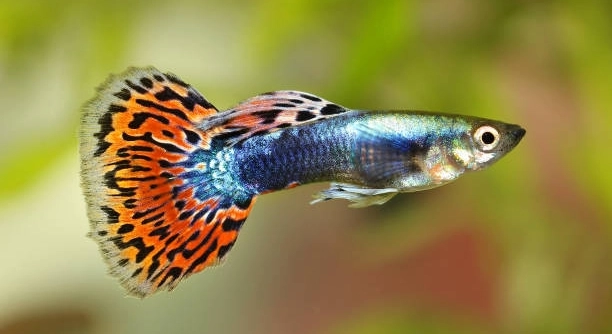
Maintaining a healthy and thriving guppy tank can be tricky, especially when things start to feel off. A balance is key to ensuring your fish remain happy and your tank environment stays stable.
Detecting imbalances in a guppy tank involves observing changes in water quality, fish behavior, and overall tank conditions. Identifying these signs early allows for corrective measures that can restore balance and promote a healthier environment for your fish.
Taking the time to monitor your guppy tank closely will help you prevent potential problems. Recognizing the signs early can save you from larger issues down the road.
Poor Water Quality
Water quality is one of the most important factors when keeping guppies. If the water is dirty or unbalanced, it can affect the health of your fish. Ammonia, nitrites, and nitrates can build up in the tank and cause stress or illness in your guppies. Regular water changes and monitoring the water’s pH, hardness, and temperature are essential to maintaining a healthy tank. Test kits can help you measure these parameters and determine if they’re within the appropriate ranges for guppies. If the water quality is poor, it can lead to cloudy water, algae blooms, or sick fish.
Poor water conditions lead to weakened immune systems in guppies, making them more susceptible to diseases. Routine water testing and cleaning your tank filters can prevent harmful substances from accumulating and keep your guppies healthy.
By regularly changing the water and using water conditioners, you ensure a clean and safe environment for your fish. Keeping a close eye on water quality and adjusting it when necessary can help maintain a stable and thriving tank for your guppies. Don’t underestimate how important this step is to their well-being.
Overcrowding
Overcrowding can quickly cause problems in any aquarium. Guppies require enough space to swim freely, and when too many fish are in a tank, the water quality deteriorates. Fish waste accumulates faster, leading to harmful levels of ammonia and other toxins.
When there are too many fish, stress increases. Overcrowded tanks result in aggressive behavior, stunted growth, and the spread of disease. If you notice frequent fighting or excessive hiding among your guppies, it could be a sign that your tank is too crowded.
To avoid this, ensure your tank is appropriately sized for the number of fish it houses. Typically, a 10-gallon tank can comfortably house around 5 guppies. If you’re adding more fish, make sure to upgrade your tank size to prevent overcrowding. Additionally, consider the filtration system capacity to ensure it’s enough to handle the increased waste from additional fish. By paying attention to these factors, you can keep your guppies comfortable and healthy.
Inconsistent Feeding
Feeding your guppies properly is crucial. Offering too much food can lead to leftover waste, which can pollute the water. On the other hand, not feeding enough can cause malnutrition. Make sure to provide the right amount of food that your fish can consume in a few minutes.
Guppies need a balanced diet that includes flakes, pellets, and occasional treats like brine shrimp. Overfeeding can create an imbalance in the tank, as uneaten food will decompose and lead to higher ammonia levels. It’s essential to feed your guppies small amounts twice a day to avoid overfeeding.
Monitor how much food your guppies actually eat to adjust feeding amounts accordingly. If you notice excess food sinking to the bottom, scale back on feeding. Regularly cleaning up uneaten food will help maintain water quality and keep your fish healthy. Consistency is key in feeding, so avoid sudden changes in their diet to prevent stress.
Temperature Fluctuations
Guppies thrive in stable temperatures. A sudden drop or rise in water temperature can stress them out and cause health problems. They are most comfortable in water ranging from 72°F to 82°F. Anything outside this range can cause issues.
Temperature fluctuations can disrupt the guppies’ natural biological processes, including feeding and reproduction. If your tank’s heater is malfunctioning or if there are large temperature changes due to room temperature shifts, your fish may become sluggish or stressed. This could also weaken their immune systems, making them more susceptible to disease.
To prevent temperature stress, always use a reliable aquarium heater and a thermometer to monitor the water temperature regularly. Keep the tank in a room with stable temperatures, and avoid placing it near windows, air conditioners, or heaters. Maintaining a constant environment is vital for guppy health and well-being.
Poor Filtration
A good filtration system is essential for maintaining a healthy tank. Without proper filtration, toxins like ammonia, nitrites, and nitrates can build up, harming your guppies. Make sure your filter is strong enough for the tank size and capable of handling the bioload.
Without a functioning filter, harmful waste materials will accumulate, creating an unhealthy environment. Over time, this can lead to poor water quality and stress for your fish. Ensure the filter is cleaned regularly to maintain its efficiency, and check if it’s working as it should.
Investing in a high-quality filter ensures clean, oxygenated water for your guppies. Regularly maintaining the filter will prevent debris buildup and promote a balanced ecosystem. With a good filtration system, your fish will thrive in a cleaner, healthier environment.
Stress from Tankmates
Stress from other fish or tankmates can cause imbalances in your guppy tank. Aggressive or territorial fish can harass your guppies, leading to injuries or a drop in their overall health. Choose tankmates that are peaceful and compatible with guppies.
Aggression can lead to physical damage and stress in guppies, weakening their immune system. This makes them more prone to illness and can disrupt their normal behavior. Be mindful of the species you add to the tank and ensure they won’t negatively affect your guppies. Always observe interactions closely to spot early signs of aggression.
Algae Overgrowth
Excessive algae growth can be a sign of imbalances in your tank, often due to too much light or excess nutrients. Algae can cloud the water, reducing oxygen levels and stressing your guppies. Limiting light exposure and controlling nutrient levels can help prevent this.
Algae thrives when there’s too much light or an overload of nutrients like nitrates and phosphates. These nutrients often come from overfeeding or inadequate filtration. By reducing the light duration and keeping your tank clean, you can minimize algae growth and improve water quality, keeping the environment healthier for your guppies.
FAQ
How often should I change the water in my guppy tank?
It’s recommended to change 25-30% of the water in your guppy tank once a week. Regular water changes help maintain a healthy environment by removing toxins and replenishing essential minerals. However, if your tank is heavily stocked or if you notice water quality issues, you may need to do more frequent water changes.
What temperature should my guppy tank be?
Guppies prefer water temperatures between 72°F and 82°F (22°C to 28°C). Temperatures outside this range can stress your fish and lead to health problems. It’s important to use a reliable heater to maintain a stable temperature, especially in colder or fluctuating room conditions.
Can guppies live with other fish?
Yes, guppies are peaceful and can generally live with many other types of fish. However, avoid keeping them with overly aggressive or territorial species. Good tankmates for guppies include other peaceful fish like tetras, mollies, and rasboras. Always research compatibility before adding new fish to the tank.
What should I feed my guppies?
Guppies are omnivores and require a balanced diet that includes a variety of food. Feed them high-quality flakes, pellets, and occasional live or frozen foods like brine shrimp and daphnia. Aim to feed them small amounts two to three times a day, ensuring they eat everything in a few minutes to avoid overfeeding.
How can I prevent guppy diseases?
Good water quality, proper tank maintenance, and a balanced diet are key to preventing diseases in guppies. Regular water changes, proper filtration, and quarantining new fish before adding them to the tank can help prevent introducing illness. Keep an eye on your guppies’ behavior and physical appearance for early signs of stress or sickness.
Why are my guppies swimming at the top of the tank?
Guppies swimming at the top of the tank could be a sign of low oxygen levels or poor water quality. Ensure your filter is working correctly and that the tank is properly aerated. It could also indicate that your fish are stressed due to high water temperature or other tank imbalances.
What are the signs of overfeeding in guppies?
Overfeeding can lead to uneaten food decomposing in the tank, raising ammonia levels. You may notice cloudier water, algae overgrowth, and poor water quality. Guppies may also become sluggish or bloated if they are fed too much. To prevent overfeeding, only give them small amounts they can eat in a few minutes.
How can I tell if my guppy is stressed?
Stressed guppies may exhibit unusual behavior such as hiding, rapid swimming, or lethargy. They may also display faded colors or clamped fins. If your guppy seems stressed, check the water quality, temperature, and tankmates. Ensure the environment is calm and that there are no aggressive fish causing harm.
Why is my guppy’s tail fin deteriorating?
A deteriorating tail fin could be a sign of poor water quality, disease, or aggression from other fish. Tail rot or fin rot, caused by bacteria, can also lead to damaged fins. Check for signs of infection and treat with appropriate medications. Regular water changes and proper tank care are essential for preventing these issues.
Do guppies need a filter?
Yes, guppies need a filter to maintain clean water. A filter removes waste, excess food, and harmful toxins like ammonia, which can build up quickly in a small tank. A filter also helps to oxygenate the water, ensuring that your guppies have a healthy, stable environment.
Can guppies live in a bowl?
While guppies can technically survive in a bowl, it is not ideal. Bowls don’t provide proper filtration, temperature control, or enough space for the fish to thrive. A small tank with a filter, heater, and regular maintenance is much better for your guppies’ health and well-being.
What is the lifespan of a guppy?
Guppies typically live for 2 to 3 years, although some can live longer with proper care. Their lifespan depends on factors like water quality, diet, tank conditions, and whether they experience any stress or illness. Providing a stable, clean environment and a balanced diet can help your guppy live a long and healthy life.
How can I stop my guppies from breeding?
To prevent guppies from breeding, remove males from the tank or keep only one male with several females. You can also use a breeding trap to separate the pregnant females or consider adding fish that prey on guppy fry, like certain types of predatory fish. Keep the tank environment calm to reduce breeding triggers.
Do guppies require a heater?
Yes, guppies thrive in warmer water, so a heater is often necessary, especially in cooler climates. Keeping the water temperature within the range of 72°F to 82°F helps maintain their health and activity levels. Be sure to monitor the water temperature with a reliable thermometer to ensure it stays stable.
Why are my guppies fighting?
Guppy aggression can occur due to overcrowding, competition for resources, or stress from poor tank conditions. Male guppies are particularly prone to fighting, especially when there are too many males in the tank. To reduce aggression, keep a proper male-to-female ratio and ensure enough space for all the fish to swim.
Is it normal for my guppy to have babies?
Yes, it’s normal for female guppies to give birth to live fry if there is a male in the tank. Guppies are livebearers, meaning they give birth to live young rather than laying eggs. If you do not want fry, you can separate the males and females or add some predatory fish to the tank.
What should I do if my guppy is sick?
If your guppy shows signs of illness, such as abnormal swimming, discoloration, or lesions, quarantine it in a separate tank to prevent the spread of disease. Check water quality, as poor conditions can lead to illness. Treat with medications appropriate for the specific symptoms and ensure the rest of the tank is healthy.
Final Thoughts
Maintaining a healthy and balanced guppy tank requires attention to several factors, including water quality, feeding habits, tankmates, and environmental conditions. Regularly monitoring the water and keeping it clean is crucial for preventing harmful toxins from building up. Small changes, like adjusting feeding amounts or checking water parameters, can make a significant difference in your guppies’ health. If you catch issues early, you can often resolve them before they become major problems.
Keeping a guppy tank balanced also means understanding the needs of the fish and their environment. Temperature, filtration, and space are all essential elements that impact the overall health of your guppies. By providing the right conditions, you create a stable habitat where your fish can thrive. It’s important to remember that guppies are active and social creatures, and their well-being depends on a peaceful and healthy environment. Whether it’s monitoring the temperature or reducing overcrowding, small adjustments can prevent larger issues down the line.
In the end, the key to a thriving guppy tank is consistency and observation. If you pay attention to the signs your fish give you, whether it’s changes in behavior or physical appearance, you can address any imbalances quickly. Keeping the tank clean, ensuring a balanced diet, and providing a stress-free environment will go a long way in maintaining a happy, healthy guppy community. The more you learn and care for their needs, the more enjoyable your aquarium experience will be.

Hello,
If you enjoy the content that we create, please consider saying a "Thank You!" by leaving a tip.
Every little bit helps us continue crafting quality advice that supports the health, happiness, and well-being of pets around the world, for pets of all shapes, sizes, and species.
We really appreciate the kindness and support that you show us!