
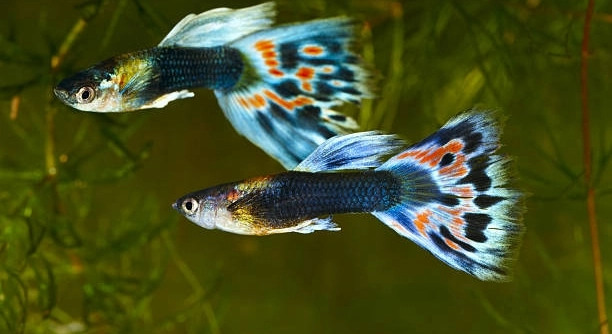
Guppy fry are fascinating little creatures, but sometimes they don’t swim as expected. If your guppy fry is struggling, there could be several factors affecting their movement. Understanding why can help you care for them better.
The most common reasons for abnormal swimming behavior in guppy fry include poor water quality, improper temperature, nutritional issues, and stress from tank mates. Other factors like overcrowding, disease, or physical injuries can also contribute.
Understanding these issues can guide you in providing the best care for your guppy fry. Each cause has simple solutions that can help your little ones swim happily again.
Poor Water Quality
One of the main reasons guppy fry struggle to swim normally is poor water quality. Ammonia, nitrites, and nitrates can build up in the tank if not properly maintained. These toxins are harmful to small fish like fry, leading to stress and swimming problems. You should regularly check water parameters using a test kit to ensure that ammonia and nitrites are at zero, while nitrates should be below 20 ppm. Frequent water changes are essential to maintain a healthy environment. Additionally, avoid overfeeding to reduce waste buildup. Fry are sensitive, so keeping the water clean is crucial to their survival and proper development.
Testing your tank’s water is the first step in making sure it’s safe. Once the water quality is stable, you’ll see improvements in your fry’s swimming and overall health.
If the water isn’t pristine, fry will likely exhibit abnormal swimming patterns like floating near the surface or sinking to the bottom. They might also appear sluggish or stressed. Regular cleaning of the tank and filtration system is necessary to keep everything in balance. Using a high-quality filter can help maintain water quality for fry, ensuring they stay active and healthy. Additionally, consider using a water conditioner to neutralize harmful chemicals from tap water when doing water changes.
Incorrect Temperature
Temperature plays a significant role in the health of guppy fry. If the water is too cold or too hot, fry will have difficulty swimming normally. Guppy fry thrive best in water temperatures between 75°F and 80°F (24°C to 27°C). If the temperature falls outside this range, fry can become lethargic and may not move around much.
Monitoring the water temperature is a simple step that can help keep your fry healthy. A reliable aquarium heater can help maintain the right temperature, especially during colder months.
If the temperature fluctuates too much, fry can experience stress, which impacts their ability to swim properly. Fry are small and sensitive to sudden changes, so using a thermometer to keep the temperature stable is important. Too high of a temperature can increase the risk of diseases and even lead to premature death. By keeping the tank’s temperature consistent, you ensure your fry remain active and healthy, avoiding the sluggishness caused by temperature stress.
Overcrowding
Overcrowding can make your guppy fry’s environment stressful and cramped, leading to abnormal swimming. When there are too many fry in one tank, they can’t move freely, and the water quality degrades faster, worsening their condition. If you notice crowded conditions, it’s time to reduce the number of fry or move some to a separate tank.
To avoid overcrowding, you should calculate the number of fry your tank can comfortably hold. A good rule of thumb is about one guppy fry per gallon of water, especially during the early stages. If your fry are showing signs of stress, such as erratic swimming or difficulty breathing, it’s a sign that their tank is too small.
When fry are overcrowded, they may swim in circles, appear stressed, or even start injuring each other. The competition for food and space increases the likelihood of disease spreading quickly. A larger tank or dividing your existing tank into sections can make a significant difference. Ensure enough space for all fry to grow, and they’ll start swimming with more energy and ease.
Nutritional Deficiencies
Guppy fry need a varied diet to grow strong and healthy. If they aren’t getting the right nutrients, it can affect their ability to swim properly. A lack of essential vitamins and minerals, such as calcium and protein, can weaken their muscles and affect their coordination. Feed your fry high-quality food specifically made for young fish, like powdered fry food or baby brine shrimp.
If your fry aren’t getting the right nutrition, you may notice them swimming in circles, appearing weak, or failing to grow at a normal rate. A balanced diet rich in protein helps develop strong muscles, which are needed for good swimming. Offering small, frequent meals throughout the day can also help.
Overfeeding or underfeeding fry can also lead to swimming issues. Fry are small and need food that is easy to consume and digest. Adjusting their diet to provide a balance of protein, fat, and fiber will help maintain their energy levels. A proper diet, combined with clean water and the right tank conditions, is the best way to ensure your guppy fry stay active and healthy as they grow.
Stress from Tank Mates
Guppy fry can become stressed if they are kept with tank mates that are too aggressive. Even peaceful fish might chase or nibble on smaller fry. When fry feel threatened, they often swim erratically or hide, avoiding normal movement.
It’s important to keep guppy fry in a calm, safe environment. Avoid mixing them with larger fish or species that might view them as food. If you notice your fry acting anxious or having trouble swimming, consider separating them from their more aggressive tank mates.
Stress from aggressive tank mates can lead to slower growth and a weakened immune system. Fry might not only struggle to swim but also become more susceptible to diseases. Setting up a separate tank for your fry or choosing peaceful, compatible species will reduce their stress and help them thrive.
Disease
Fish diseases can affect fry and cause abnormal swimming patterns. Bacterial or parasitic infections can lead to lethargy, loss of appetite, or difficulty moving. If your fry aren’t swimming normally, it could be a sign of illness.
Inspect your fry carefully for any visible signs of disease, like white spots, lesions, or unusual swelling. Quick treatment is essential to prevent the infection from spreading. You may need to isolate infected fry and use medicated food or water treatments.
Fry are especially vulnerable to diseases because their immune systems are still developing. Maintaining water quality and keeping tank conditions stable will help prevent illnesses. Regularly check for signs of stress, and take immediate action if you suspect your fry are sick. Proper care and early intervention can keep your fry swimming happily again.
Physical Injuries
Fry can get injured during interactions with other fish or from rough handling. Injuries can result in abnormal swimming behavior, such as struggling to stay afloat or swimming in circles. Physical trauma can also cause swelling or visible wounds.
To prevent injuries, avoid overcrowding and ensure tank mates are compatible. A well-maintained environment with smooth decorations and plenty of hiding spots can reduce the risk of harm.
Why are my guppy fry swimming sideways?
If your guppy fry are swimming sideways, it could be due to an injury or illness. Swim bladder issues, which affect the fry’s ability to control its buoyancy, are a common cause of this behavior. This condition can be caused by poor water quality, temperature fluctuations, or an injury sustained while swimming. In some cases, a bacterial infection may also be responsible for the abnormal swimming pattern. Regular water changes, maintaining a stable temperature, and offering nutritious food can help manage this issue. If the problem persists, you might need to treat the fry with a swim bladder medication.
What does it mean if my guppy fry is swimming in circles?
When guppy fry swim in circles, it’s often a sign of stress, injury, or illness. Stress from overcrowding or aggressive tank mates can make them swim in erratic patterns. If the water conditions aren’t ideal—whether the temperature is off or the water quality is poor—this can also cause disoriented swimming. In some cases, swim bladder issues may be the cause. If you notice this behavior, check the water parameters, ensure the tank isn’t overcrowded, and confirm that the fry are in a safe, peaceful environment. If the issue doesn’t resolve, it could be worth investigating for possible infections.
How can I fix swim bladder issues in my guppy fry?
Swim bladder issues in guppy fry can be caused by poor water quality, overfeeding, or a bacterial infection. To help correct this, start by checking the water quality. Ensure the ammonia, nitrites, and nitrates are all within safe levels. A good practice is to perform regular water changes to keep the environment stable. Additionally, avoid overfeeding your fry, as excess food can lead to digestive issues that affect the swim bladder. If necessary, you can use medicated food or treatments specifically designed to address swim bladder problems. Keeping the fry in a stable, low-stress environment also helps.
Can guppy fry recover from swimming problems?
Yes, guppy fry can recover from swimming problems, especially if they are caused by factors like poor water quality or stress. By improving the water conditions, reducing overcrowding, and offering the right nutrition, you can help your fry regain their normal swimming behavior. It may take some time for them to fully recover, but with proper care, many fry will return to normal. If the cause is an injury or a more serious illness, recovery will depend on the severity of the issue and the promptness of treatment. In all cases, it’s important to monitor their progress and adjust care as needed.
What is the best water temperature for guppy fry?
Guppy fry thrive in water temperatures between 75°F and 80°F (24°C to 27°C). If the water temperature falls below this range, fry can become sluggish, have trouble swimming, and may even suffer from health problems. On the other hand, if the water is too warm, it can lead to faster growth but may also increase the risk of disease or premature death. Use an aquarium thermometer and a heater to maintain a consistent temperature. Keeping the temperature stable is vital to the fry’s development and overall well-being.
How often should I feed my guppy fry?
Guppy fry need to be fed several small meals throughout the day to support their growth. Feeding them 3-4 times daily is ideal. Use specialized fry food, such as powdered fry food or finely crushed flakes, as they’re easier for small fry to consume. Overfeeding can lead to poor water quality, so make sure to remove any uneaten food to prevent it from decomposing and affecting the tank’s environment. Additionally, you can supplement their diet with live food like baby brine shrimp or infusoria for added protein.
Can poor water quality cause my guppy fry to swim poorly?
Yes, poor water quality is a leading cause of swimming problems in guppy fry. Ammonia, nitrites, and high levels of nitrates can irritate the fry and cause them to swim erratically or act lethargic. To ensure proper health and development, it’s essential to regularly test the water for these toxins and perform frequent water changes. A reliable filtration system can help maintain clean water, but it’s still important to check the parameters regularly. Fry are more sensitive to water conditions than adult fish, so keeping the water clean is crucial for their survival and normal behavior.
What should I do if my guppy fry are lethargic and not swimming?
If your guppy fry are lethargic and not swimming, the first step is to check the water quality. Poor water conditions can cause fry to become weak and inactive. Ensure that ammonia, nitrites, and nitrates are all within safe levels. If the water quality is good, check the temperature, as fry can become sluggish in water that is too cold or too hot. If environmental conditions are optimal and the fry are still lethargic, you should inspect for any signs of disease, such as lesions or abnormal coloring. In this case, isolating the fry and using appropriate treatments may be necessary.
How long does it take for guppy fry to start swimming normally?
It can take a few days to a week for guppy fry to start swimming normally after fixing any issues that were affecting them. If the swimming problems were caused by poor water quality, overfeeding, or stress, improvements can often be seen after correcting those factors. The fry’s health should gradually improve as their environment stabilizes. However, if the swimming issues are related to more serious concerns like injuries or diseases, it may take longer for them to recover fully. Monitoring them closely during this period will help ensure they get the care they need.
Can tank mates affect the swimming ability of guppy fry?
Yes, tank mates can affect the swimming ability of guppy fry. Aggressive fish may chase or nip at the fry, causing them stress and disrupting their natural swimming patterns. Even peaceful species might stress the fry if they’re large enough to pose a threat. To prevent this, keep the fry in a separate tank or ensure that tank mates are peaceful and won’t harm them. Stress from tank mates can lead to abnormal swimming behaviors, like erratic movement or hiding. Creating a peaceful environment is key to helping your fry swim healthily.
In conclusion, it’s important to understand that there are several factors that can affect the swimming behavior of guppy fry. From water quality to tank conditions, temperature, and even the presence of other fish, each of these elements can influence how well your fry swim. Observing their behavior closely and identifying any changes can give you clues about what might be wrong. Once you pinpoint the issue, adjusting the environment or providing proper care can often lead to significant improvement in their swimming.
Keeping the water quality high is crucial for guppy fry. They are particularly sensitive to toxins like ammonia and nitrites, and poor water conditions can cause them to become sluggish or swim abnormally. Regular water changes, a reliable filter, and monitoring the water parameters will help maintain a healthy environment for your fry. Temperature also plays a role—keeping the water between 75°F and 80°F is ideal for optimal growth and development. A stable temperature, free from sudden changes, ensures that the fry are not stressed and can swim normally.
Finally, making sure your fry are well-fed and not overcrowded is key to their development. Fry need a consistent supply of food, but overfeeding can lead to water quality problems. A balanced diet and proper feeding schedule can help ensure your fry grow strong and healthy. In addition, avoiding overcrowding or aggressive tank mates reduces stress, which can also lead to abnormal swimming. With the right care, most issues can be resolved, allowing your guppy fry to swim happily and grow into strong, adult fish.

Hello,
If you enjoy the content that we create, please consider saying a "Thank You!" by leaving a tip.
Every little bit helps us continue crafting quality advice that supports the health, happiness, and well-being of pets around the world, for pets of all shapes, sizes, and species.
We really appreciate the kindness and support that you show us!