
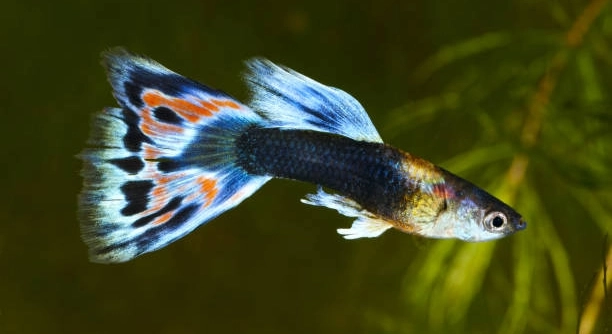
Guppies are one of the most popular freshwater fish species kept in aquariums. Their bright colors and friendly nature make them a great addition to many homes. However, maintaining the right environment for them is essential to their well-being.
Freshwater conditions are vital for guppies as they mimic their natural habitat, helping them thrive. These conditions support their health, enhance breeding success, and ensure that they stay active and vibrant. Maintaining clean, balanced water is key to their survival.
Understanding the importance of freshwater conditions can make a big difference in keeping your guppies happy and healthy. The following points will highlight why these conditions are crucial for your little aquatic friends.
Guppies Thrive in Stable Water Conditions
Guppies do best in water that remains stable and clean. Freshwater environments help maintain their health and vibrancy by keeping their water quality in check. Guppies are very sensitive to changes in their environment. Fluctuations in temperature, pH levels, or contaminants can cause stress and even lead to disease. Keeping their tank well-maintained allows them to grow, breed, and live longer, happier lives. A stable freshwater setup helps regulate these factors, making it easier for your guppies to stay healthy and active. Without the proper balance, their immune systems weaken, leaving them vulnerable.
A stable freshwater environment ensures that your guppies won’t be exposed to harmful chemicals. It helps maintain the right temperature and pH levels for their comfort.
Regular water changes and monitoring water quality levels are essential. These actions keep harmful substances like ammonia and nitrites at bay. Keeping your tank free of waste and toxins encourages the guppies to breed successfully, creating a lively and healthy aquarium.
Freshwater Supports Guppy Health
Maintaining clean, freshwater conditions directly impacts the overall health of guppies. It prevents the buildup of toxins, bacteria, and algae that can damage their gills and skin. Freshwater provides an ideal balance of minerals and oxygen, which are vital for their growth. When kept in proper conditions, guppies become more resistant to infections and can live longer.
Keeping a freshwater tank clean requires regular maintenance. Regular water testing and replacing a portion of the water every week can keep your guppies healthy. These practices ensure that the water stays free of contaminants. Guppies thrive best when their environment is predictable and consistent, which can be achieved through proper filtration and water changes.
Freshwater Keeps Guppies Vibrant
Freshwater environments help maintain the bright colors that make guppies so appealing. When guppies are kept in clean, balanced water, their vibrant hues stand out more. Poor water conditions can cause stress and dull their colors, leaving them looking less healthy.
The right water conditions promote better pigmentation. A stable freshwater environment allows guppies to stay active and vibrant. When exposed to toxins or extreme water changes, their colors may fade. A well-maintained tank supports healthy growth, encouraging your guppies to display their natural brilliance. Adding proper filtration systems also ensures their colors stay bright for a long time.
Maintaining optimal water parameters ensures your guppies feel comfortable and secure. Regular water changes prevent the accumulation of waste and toxins, while consistent temperatures help them thrive. With the right freshwater setup, your guppies can keep their colors as bright and lively as when they first arrived in your tank.
Freshwater Encourages Breeding
Freshwater conditions are essential for successful breeding. Guppies need stable and clean water to breed effectively. In poor water conditions, they may not breed at all, or their fry may not survive. Maintaining proper water conditions encourages them to reproduce more frequently.
Keeping the tank clean and free of harmful chemicals helps reduce stress and fosters the ideal breeding environment. Freshwater provides the right balance of minerals and oxygen for the health of both adult guppies and their fry. When water quality is maintained, guppies are more likely to breed, leading to more healthy offspring.
Regular water changes and maintaining the correct temperature range are key to a thriving breeding environment. A stable freshwater environment also supports the growth of baby guppies. Ensuring the tank’s cleanliness and proper filtration will provide the best conditions for successful breeding.
Freshwater Reduces Stress
Guppies are sensitive to changes in their environment, and poor water conditions can cause stress. Stress weakens their immune system, making them more prone to illness. Maintaining clean, stable freshwater conditions helps reduce stress, promoting overall well-being.
When guppies feel stressed, they may exhibit erratic behavior, such as hiding or swimming aimlessly. Freshwater with the right balance of minerals, oxygen, and pH keeps them calm and healthy. Stress can also interfere with their appetite, slowing their growth and affecting breeding. Regular water changes and filtration can keep stress levels to a minimum, ensuring a peaceful environment for your guppies.
Freshwater Supports Guppy Lifespan
A stable freshwater environment can significantly increase the lifespan of guppies. Healthy water conditions provide the necessary nutrients and prevent harmful substances from accumulating. This leads to a longer, healthier life.
When guppies are kept in the right water conditions, they are less likely to develop diseases. This allows them to live out their full lifespan. Freshwater environments support their natural behavior, breeding habits, and growth, contributing to a better quality of life overall.
FAQ
What is the ideal water temperature for guppies?
The ideal water temperature for guppies is between 72°F and 82°F (22°C to 28°C). Keeping the water within this range helps them stay active, healthy, and comfortable. If the temperature drops too low, their metabolism slows, leading to stress and weakened immune systems. On the other hand, water that is too hot can lead to oxygen depletion and make them more prone to disease. Using an aquarium heater with a reliable thermometer will help maintain a consistent temperature.
How often should I change the water in a guppy tank?
You should change about 25% to 30% of the water in your guppy tank every week. Regular water changes help remove waste, toxins, and uneaten food, ensuring the water stays clean and healthy for your guppies. If you have a heavily stocked tank or poor filtration, you may need to change the water more frequently. Be sure to use a water conditioner to remove chlorine and chloramine if you’re using tap water.
Can guppies live in brackish water?
Guppies are freshwater fish and should ideally be kept in freshwater conditions. However, they can tolerate slightly brackish water for short periods, but it’s not their preferred environment. Long-term exposure to brackish water can stress them and lead to health issues. If you’re considering adding salt, make sure to do so gradually and monitor the fish’s behavior closely. Keeping them in a freshwater tank is best for their health and longevity.
How do I maintain the proper pH level for guppies?
The ideal pH level for guppies is between 6.8 and 7.8. You can maintain the proper pH by testing the water regularly with a pH test kit. If the pH is too low (acidic), you can add substances like crushed coral to raise it. If the pH is too high (alkaline), you can add driftwood or peat moss to lower it. Avoid sudden changes in pH, as it can stress the guppies. Small, gradual adjustments are key to keeping your fish comfortable.
What should I do if my guppies are showing signs of illness?
If your guppies are sick, it’s important to first check the water quality. Poor water conditions are often the cause of health issues. Test for ammonia, nitrites, nitrates, and pH levels, and make sure the water is at the right temperature. If everything is in check, look for symptoms like lethargy, faded colors, or abnormal swimming. Isolate the sick guppy if needed and treat with appropriate medications. In severe cases, you may need to consult a veterinarian who specializes in fish.
Do guppies need a filter?
Yes, guppies need a filter in their tank to maintain water quality. A good filter helps remove waste, uneaten food, and harmful chemicals like ammonia and nitrites. It also helps oxygenate the water, which is crucial for guppies to breathe. When choosing a filter, make sure it’s not too strong, as guppies are small and can be stressed by strong currents. A gentle filter will keep the water clean without disturbing the fish.
Can guppies live with other fish?
Guppies are peaceful and social fish, so they can live with other non-aggressive species. They do well with fish that have similar water and temperature requirements. However, avoid keeping them with larger or more aggressive fish, as they may nip at guppies’ fins. Some good tankmates for guppies include other small peaceful fish, such as neon tetras, mollies, and cherry shrimp. Be sure to monitor the tank for any signs of aggression and adjust accordingly.
How do I prevent overfeeding my guppies?
Overfeeding is a common issue with guppies and can lead to poor water quality and health problems. Feed your guppies only as much as they can eat in about 2-3 minutes. You can feed them 2-3 times a day, but be careful not to overdo it. Leftover food in the tank can break down and pollute the water. If you’re unsure about how much to feed, it’s better to underfeed than overfeed. You can also offer variety by including high-quality flakes, pellets, and occasional live food.
How do I breed guppies in a freshwater tank?
Breeding guppies is relatively easy if you provide them with the right conditions. Set up a separate breeding tank or use a breeding box in the main tank. Ensure the water is clean, at the correct temperature (around 78°F), and with stable pH levels. Male guppies will chase and court females. Once pregnant, females give birth to live fry. After the fry are born, they should be moved to a separate tank or breeding box to protect them from being eaten by adults. You can feed the fry finely crushed flakes or specialized fry food until they are large enough to join the adult tank.
Do guppies need special lighting?
Guppies don’t need special lighting, but they do benefit from a natural day-night cycle. Providing 10-12 hours of light each day helps regulate their biological rhythms and supports healthy growth. Avoid leaving the lights on for too long, as this can lead to algae buildup in the tank. Use a gentle aquarium light to brighten the tank without overwhelming the guppies. Be sure to turn off the lights at night to simulate a normal environment.
Final Thoughts
Maintaining freshwater conditions for guppies is essential to ensure their health and well-being. Freshwater environments closely mimic their natural habitats, providing the right balance of minerals, temperature, and oxygen for them to thrive. When kept in these conditions, guppies remain active, healthy, and vibrant, which helps them live longer, happier lives. Regular water changes, proper filtration, and maintaining stable water parameters will go a long way in making sure your guppies stay in top shape.
Aside from the obvious benefits like improved health and vibrant colors, freshwater conditions also support breeding. Guppies tend to breed more frequently and successfully in stable, clean environments. A healthy tank encourages both adult guppies and their fry to grow and develop. This not only ensures the continuation of a thriving guppy population in your tank but also contributes to the overall ecosystem within the aquarium. Keeping the water clean and ensuring it stays free of toxins and harmful bacteria is essential for creating an ideal breeding ground.
In summary, creating and maintaining the right freshwater conditions for guppies is not just about keeping your tank clean. It’s about creating a balanced environment where they can live their best life. By keeping the water temperature, pH levels, and filtration system in check, you provide your guppies with everything they need to stay healthy and breed successfully. With consistent care, your guppies will reward you with their bright colors, playful nature, and long lifespan.

Hello,
If you enjoy the content that we create, please consider saying a "Thank You!" by leaving a tip.
Every little bit helps us continue crafting quality advice that supports the health, happiness, and well-being of pets around the world, for pets of all shapes, sizes, and species.
We really appreciate the kindness and support that you show us!