
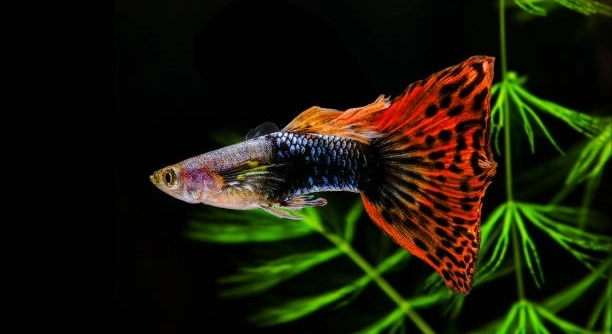
Creating a peaceful environment for your guppies involves careful planning and attention. Properly maintaining harmony in a guppy tank can significantly improve the well-being of your fish and the overall aesthetics of the aquarium.
Promoting guppy tank harmony requires a mix of proper water quality, suitable tank mates, and maintaining a consistent feeding schedule. Regular monitoring of water parameters and fish behavior can further prevent conflicts, ensuring a thriving and peaceful tank.
By considering these aspects, you can help create an environment that encourages peaceful coexistence among your guppies, enhancing the overall health of the tank.
Proper Tank Size and Setup
The size and layout of your guppy tank play an essential role in maintaining harmony. A cramped environment can cause stress and aggression among fish. Guppies need enough space to swim freely, with a minimum of 10 gallons for a small group. Overcrowding leads to competition for food, space, and territory, which often results in fighting. To avoid these issues, ensure there are plenty of plants, hiding spots, and decorations. These will help reduce stress by providing guppies with places to hide and explore. A well-planted tank also mimics their natural habitat, making them feel secure and reducing aggressive behavior.
Adding live plants can help with water filtration as well, contributing to better water quality. When designing your tank, consider placing plants and decorations at different levels, allowing all guppies to have a personal space. Space and hiding spots make all the difference in creating a peaceful environment for your guppies.
Keep in mind that keeping the tank clean is just as important as the layout. Regular water changes and a reliable filtration system prevent waste buildup and maintain good water quality. A clean, well-maintained environment is crucial to maintaining peace among guppies.
Water Quality Management
Water quality is a key factor in ensuring guppy tank harmony. Regularly check parameters like pH, ammonia, and nitrate levels.
Consistent water quality supports the overall health of your guppies. Maintaining stable conditions prevents stress, which can lead to fighting and illness. Guppies thrive in water that is soft to moderately hard, with a pH between 6.8 and 7.8. A quality filter, along with regular water changes, ensures that harmful substances do not build up, keeping your tank environment clean and stable. Proper filtration not only keeps the water clear but also helps maintain a balanced ecosystem within the tank, contributing to the well-being of your guppies.
Choosing Compatible Tank Mates
Choosing the right tank mates is crucial for promoting harmony. Guppies are peaceful fish, but some species may cause stress or aggression. Avoid aggressive or territorial species like cichlids. Instead, opt for peaceful community fish such as tetras or mollies.
Guppies can live well with other small, non-aggressive fish, but it’s important to avoid overcrowding. Tank mates should share similar water temperature and pH preferences. Mixing species with drastically different needs can cause stress and lead to conflict. Be mindful of the behavior and activity levels of potential tank mates.
Observe your guppies for signs of stress after introducing new fish. If aggression or hiding increases, consider removing incompatible species. Providing enough space for everyone helps maintain a peaceful environment. Tank mates should complement each other’s behaviors and habits to promote a calm, balanced ecosystem.
Feeding Routine and Portion Control
Overfeeding can lead to excess waste and poor water quality, both of which contribute to tank stress. Establish a feeding routine to ensure that your guppies receive the proper nutrition.
Feed your guppies small portions of high-quality food, adjusting the amount based on their activity level. Excess food that isn’t eaten can break down and pollute the tank, affecting water quality. The ideal feeding schedule for guppies is once or twice a day, with food that they can consume within a few minutes. Avoid feeding too much at once to prevent leftovers that could lead to bacterial growth.
Keeping a consistent feeding schedule helps prevent competition among fish for food, which can cause aggression. Regular feeding times also establish a routine, making your guppies feel more secure. Always remember to remove any uneaten food after a few minutes to maintain water quality.
Temperature Control
Maintaining a stable water temperature is essential for guppy tank harmony. Guppies prefer temperatures between 72°F and 82°F.
A reliable heater can help keep the water within the desired range, preventing sudden temperature fluctuations that could stress your fish. Extreme changes in temperature can lead to illness and aggression, so a consistent environment is key.
Tank Lighting
Proper lighting is important for guppies’ health and behavior. A regular light cycle helps them establish a natural rhythm.
Provide about 10-12 hours of light per day to mimic day and night cycles. Too much light can cause stress, while too little can affect their natural behaviors.
FAQ
What size tank is ideal for guppies?
A 10-gallon tank is the minimum recommended for a small group of guppies. Larger tanks, like a 20-gallon, are better for promoting a healthy environment. Overcrowding can lead to stress and territorial disputes, which can disturb tank harmony.
Guppies are small fish but need space to swim freely. A larger tank also gives you more room to create a more natural setup, including plants and hiding spots. A larger volume of water is easier to maintain, making it easier to manage water quality and temperature. Proper tank size directly impacts the health of the fish.
How often should I change the water in a guppy tank?
You should change 25-30% of the water every week to maintain water quality. Regular water changes prevent the buildup of harmful substances like ammonia and nitrates.
Changing the water too frequently or too infrequently can disrupt the tank’s ecosystem. Weekly water changes help keep the water clear and reduce toxins. Make sure to replace the water with water that has similar temperature and pH levels to prevent shocking your fish. Use a dechlorinator to treat tap water before adding it to the tank.
Can I keep guppies with bettas?
It’s generally not a good idea to keep guppies with bettas. Bettas are known for their aggression, especially toward other fish with long fins or bright colors, which are traits guppies possess.
In some cases, a betta may leave guppies alone, but there’s always a risk of aggression. If you want to keep both, ensure the betta has plenty of space and hiding spots to reduce conflict. Always observe their behavior closely after introducing them to the same tank. If any aggression is noticed, separate them immediately.
How can I tell if my guppy is stressed?
Stress in guppies can show up in several ways, including faded colors, erratic swimming, or excessive hiding. Stressed guppies may also stop eating or show signs of illness.
Common causes of stress include poor water quality, inappropriate tank mates, overcrowding, or improper temperature. It’s important to address the root cause of stress immediately to prevent further health issues. Keep an eye on your guppies and make adjustments to their environment as needed.
How can I prevent guppy diseases?
To prevent diseases, keep the tank clean and maintain good water quality. Quarantine new fish before adding them to the tank to ensure they aren’t carrying any illnesses.
Regularly check for signs of illness, like white spots or swollen bodies. Good nutrition helps boost their immune system. Avoid overfeeding, as excess food can cause water pollution and attract harmful bacteria. Ensure that your filtration system is functioning properly to keep the water clean.
Do guppies need a filter?
Yes, guppies benefit from having a filter in their tank. A filter helps keep the water clean by removing waste, uneaten food, and other contaminants that could affect water quality.
A good filtration system prevents the accumulation of harmful substances, such as ammonia, nitrates, and nitrites. However, make sure the filter’s current isn’t too strong, as guppies prefer calm waters. Adjust the filter’s flow rate if necessary to avoid disturbing the fish.
Can guppies live with shrimp?
Yes, guppies can live peacefully with shrimp, such as cherry shrimp or Amano shrimp. Shrimp can help keep the tank clean by eating leftover food and algae.
However, be cautious of large shrimp, as they may become prey for your guppies. Small, peaceful shrimp are usually a safe addition. Shrimp and guppies typically share the same water parameters, making them good tank mates. Provide plenty of hiding spots for the shrimp to avoid conflicts.
What is the best food for guppies?
Guppies thrive on a balanced diet that includes a mix of flake food, frozen or live food, and occasional vegetable matter. High-quality flake food provides essential nutrients for their health.
Supplement their diet with live or frozen foods like brine shrimp, daphnia, or bloodworms. Vegetables like blanched spinach or zucchini are good options for variety. Always remove any uneaten food after a few minutes to maintain water quality. Feed your guppies small portions throughout the day to prevent overfeeding.
Why do guppies swim at the surface?
Guppies may swim at the surface for several reasons. One common cause is a lack of oxygen in the water. If the oxygen levels are low, guppies may swim near the surface where oxygen exchange is more effective.
Ensure that your tank is properly aerated by adding an air stone or adjusting the filter flow. If the issue persists, check the water quality to ensure it’s not a sign of a more serious problem, such as excessive waste or poor filtration.
Can I keep male and female guppies together?
Yes, male and female guppies can live together, but if you don’t want to breed, it’s best to keep males and females in separate tanks or control the male-to-female ratio. Too many males in one tank may cause stress to females, as the males may constantly chase them.
If you allow them to breed, be prepared for baby guppies. Female guppies can store sperm for several months and give birth multiple times without mating again. You may need to separate pregnant females into a breeding box to prevent other fish from eating the fry.
Final Thoughts
Maintaining harmony in a guppy tank requires a combination of factors, including proper water quality, compatible tank mates, and a balanced feeding routine. By addressing each aspect of the tank environment, you can create a peaceful setting where guppies can thrive. Stability in water temperature, pH levels, and regular maintenance all play a significant role in ensuring your fish remain healthy and stress-free. Keeping an eye on these factors and making adjustments as needed will go a long way in promoting a calm and thriving aquarium.
In addition to managing the physical environment, paying attention to the behavior of your guppies and other tank inhabitants is essential. Ensuring that all fish in the tank are compatible with each other and have enough space will reduce territorial disputes and stress. Offering plenty of hiding spots and plants will provide guppies with safe spaces to retreat if they feel overwhelmed. Additionally, maintaining a regular feeding routine and avoiding overfeeding will help prevent water contamination, which can lead to health problems for your fish.
Lastly, observing your guppies for signs of stress or illness is important for preventing long-term issues. If you notice any unusual behavior or symptoms, address the underlying cause promptly, whether it’s poor water quality, aggressive tank mates, or an imbalanced diet. By taking a proactive approach to their care, you can enjoy a harmonious and vibrant guppy tank. Following these practices will not only enhance the quality of life for your guppies but also provide you with a peaceful and beautiful aquarium to enjoy for years.

Hello,
If you enjoy the content that we create, please consider saying a "Thank You!" by leaving a tip.
Every little bit helps us continue crafting quality advice that supports the health, happiness, and well-being of pets around the world, for pets of all shapes, sizes, and species.
We really appreciate the kindness and support that you show us!