
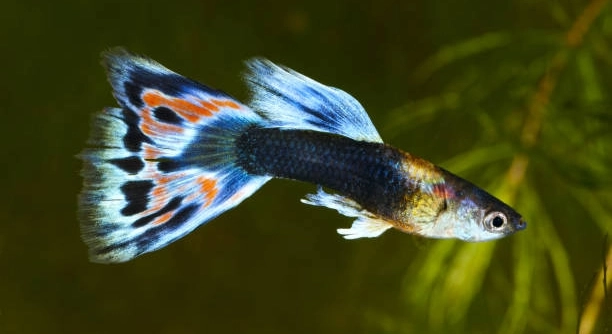
Guppy fish are known for their colorful beauty and friendly nature, making them popular in home aquariums. However, their health can be compromised by a variety of tank diseases. Preventing these issues is essential for a thriving environment.
Preventing guppy tank diseases involves maintaining water quality, proper feeding, and ensuring the tank is kept clean. Regular water changes, appropriate temperature, and monitoring fish behavior are key steps to preventing illness.
Taking the right precautions can keep your guppies healthy for a long time. This article will provide actionable steps to ensure a disease-free tank environment.
Keep the Tank Clean
Regular cleaning of the tank is crucial in preventing guppy diseases. Remove excess food, clean the tank walls, and replace the water frequently. This helps prevent harmful bacteria and parasites from growing. A clean tank promotes better water quality, which is essential for the overall health of your guppies.
When cleaning, avoid using harsh chemicals. Instead, use aquarium-safe cleaners or simply rinse with water. Be sure to clean the gravel or substrate as well. This helps remove any debris that can contribute to poor water quality.
In addition to cleaning, check the water temperature. Guppies thrive in water between 72°F and 82°F. A sudden temperature fluctuation can stress your fish, making them more susceptible to illness. Use a thermometer to monitor the water temperature regularly and make adjustments as needed.
Maintain Proper Filtration
A good filtration system is key to keeping your guppy tank healthy. Filtration helps remove waste, toxins, and excess food from the water. It also ensures oxygen circulates, supporting the health of both plants and fish. Without proper filtration, harmful substances can build up, leading to various diseases.
Choose a filter that is appropriate for the size of your tank. Avoid using an overly powerful filter, as it can create too much water movement, which can stress your guppies. A sponge filter is often a good choice for smaller tanks, as it provides gentle filtration. Additionally, replace filter media regularly to keep the filter running efficiently.
By maintaining a proper filtration system, the water will remain clean, reducing the risk of diseases like fin rot and velvet disease. Regularly clean the filter itself to prevent blockages and ensure consistent filtration. This simple step is essential in promoting long-term health for your guppies.
Monitor Water Quality
Maintaining stable water quality is a vital aspect of guppy health. Regularly test the water for ammonia, nitrites, and nitrates. A reliable test kit will help you keep track of these levels, ensuring a healthy environment.
Ammonia and nitrites should always be at zero, while nitrates should be below 20 ppm. High levels of these substances can cause stress and illness. Conduct water changes at least once a week to prevent harmful substances from accumulating. It’s also important to use a water conditioner to neutralize chlorine and chloramine in tap water.
If you notice any changes in water quality, address them immediately. This can involve adjusting the filtration system or altering the frequency of water changes. Consistent monitoring helps you stay ahead of potential issues and ensures the long-term health of your guppies.
Avoid Overfeeding
Overfeeding can lead to poor water quality and contribute to disease. Leftover food decays and causes harmful toxins to build up in the tank. It’s essential to feed your guppies the right amount of food.
Feed your guppies once or twice a day, providing only as much food as they can consume in a few minutes. Remove any excess food that remains. Overfeeding can also lead to obesity in guppies, making them more susceptible to diseases. Stick to high-quality fish food to provide the necessary nutrients without the risk of overfeeding.
If you’re unsure about how much to feed, start with small amounts and observe your fish. Adjust the portion size if there’s food left after feeding time. Proper feeding habits can keep the water clean and promote the overall health of your guppies.
Quarantine New Fish
When introducing new guppies to your tank, always quarantine them for at least two weeks. This helps prevent potential diseases from spreading to your established fish.
A separate quarantine tank allows you to observe the new fish for signs of illness, such as unusual behavior or spots. This reduces the risk of introducing diseases into the main tank.
Ensure the quarantine tank has similar water conditions as the main tank. During this period, monitor for any signs of stress or disease. If any issues arise, you can treat the new fish before adding them to the community tank.
Regularly Check for Signs of Disease
Look out for changes in behavior or physical appearance in your guppies. Signs of disease include lethargy, loss of appetite, or discoloration.
Inspect your fish regularly for external symptoms such as spots, lesions, or swollen fins. Early detection can help you address issues before they spread. A proactive approach can ensure healthier fish and prevent outbreaks in the tank.
Maintain Stable Tank Temperature
Maintaining a stable temperature is crucial for guppy health. Sudden changes can cause stress and make them more vulnerable to illness.
Use a reliable aquarium heater to keep the water temperature between 72°F and 82°F. Regularly check the temperature to ensure it stays consistent. Sudden fluctuations in temperature can weaken the immune system of guppies, making them susceptible to diseases.
FAQ
How can I prevent guppy diseases?
Maintaining clean water, a stable temperature, and a good filtration system is key to preventing diseases. Regularly test your water quality, change the water weekly, and ensure the temperature stays between 72°F and 82°F. Quarantine new fish before adding them to your main tank. Overfeeding should also be avoided, as it can lead to poor water quality. Monitoring your guppies for signs of illness and acting quickly will also help keep them healthy.
What are the most common diseases in guppies?
Guppies are prone to several diseases, including fin rot, ich (white spot disease), and velvet disease. Fin rot typically results from poor water quality and bacterial infections. Ich appears as small white spots on the fish’s body and fins. Velvet disease causes a yellowish, dusty appearance. These diseases are preventable with proper water maintenance, temperature control, and quarantine practices.
How do I treat sick guppies?
If you notice a guppy displaying symptoms of illness, immediately isolate it in a separate tank to prevent the spread of disease. Use appropriate medication based on the symptoms, such as copper-based treatments for velvet disease or formalin for ich. Be sure to adjust water quality in both the main tank and the quarantine tank to support recovery.
Can poor water quality cause diseases in guppies?
Yes, poor water quality is a leading cause of stress and disease in guppies. High ammonia or nitrite levels, low oxygen, and improper pH can weaken the fish’s immune system, making them more vulnerable to infections. Regular water testing and changes, as well as proper filtration, help prevent these issues.
What should I do if my guppy is showing signs of stress?
Stress in guppies can lead to health issues. Look for signs like hiding, rapid gill movement, or a loss of appetite. Causes of stress include poor water quality, overcrowding, sudden temperature changes, and aggressive tankmates. Addressing these factors by adjusting the tank conditions and isolating any aggressive fish can reduce stress and improve health.
How often should I change the water in a guppy tank?
Water changes should be done at least once a week. For smaller tanks, you may need to change the water more frequently, while larger tanks with a good filtration system can go longer. Aim to replace about 25% to 30% of the water each time to maintain proper water quality.
What is the ideal temperature for guppies?
Guppies thrive in water temperatures between 72°F and 82°F. Temperature fluctuations outside this range can stress the fish, weaken their immune system, and make them more prone to diseases. Use an aquarium heater to keep the temperature stable, especially in colder months or if you live in a region with fluctuating temperatures.
How can I prevent ich in my guppy tank?
Ich is a parasitic infection that can spread rapidly in crowded or stressed tanks. To prevent it, ensure that your water quality is excellent and that you are not overfeeding your fish. Quarantine new fish for two weeks before introducing them to the main tank. If you see the first signs of ich, treat with copper-based medications or salt.
What are the signs of a healthy guppy?
Healthy guppies have vibrant colors, active swimming behavior, and a good appetite. They should not show signs of lethargy, unusual swimming patterns, or discoloration. Healthy guppies also maintain clear eyes and smooth scales without lesions or bumps. Regular observation of their behavior will help you spot any issues early.
Is it safe to keep guppies with other fish?
Guppies can usually live peacefully with other peaceful fish species. Avoid keeping them with aggressive or larger fish that might bully them. Ideal tankmates include small, non-aggressive species like neon tetras, mollies, and corydoras catfish. Always monitor the interactions in the tank to ensure harmony among the fish.
Can guppies live with plants in the tank?
Yes, guppies enjoy the company of live plants in their tanks. Plants provide hiding spots, improve water quality by absorbing nitrates, and offer oxygen for the fish. Be sure to choose plants that are non-toxic and suitable for aquarium environments. Plants also add beauty and create a more natural setting for your guppies.
How can I prevent overfeeding my guppies?
Overfeeding can lead to water quality problems and obesity in guppies. Feed them small amounts of food they can consume in a few minutes, once or twice a day. If you notice leftover food, reduce the portion size. You can also try fasting your guppies for a day or two each week to help clear out their digestive systems.
What is the best type of food for guppies?
Guppies need a balanced diet that includes high-quality flakes, pellets, and occasional live or frozen food like brine shrimp or daphnia. A mix of plant-based and protein-rich foods will help keep them healthy. Make sure the food you choose is suitable for small fish and appropriate for their size.
How do I prevent guppy babies from getting eaten?
Guppy fry are vulnerable and can be eaten by adult guppies. To prevent this, consider using a breeding box or a separate tank for the fry. Provide plenty of hiding spots like plants or decorations. If you don’t want to raise the fry, you can also separate the pregnant female until she gives birth.
How can I reduce stress in my guppies?
To reduce stress, maintain good water quality, avoid overcrowding, and keep the tank environment stable. Guppies can become stressed from sudden changes in their habitat, such as temperature fluctuations or aggressive tankmates. Providing a peaceful environment with plenty of hiding places will help your guppies feel secure and healthy.
Final Thoughts
Taking the time to maintain a healthy environment for your guppies is essential for preventing diseases. Regular water changes, maintaining proper water quality, and keeping the temperature stable are key steps in creating an ideal habitat. Quarantining new fish and monitoring food intake also help reduce the risk of introducing harmful diseases. By staying vigilant and proactive, you can ensure that your guppies live a long, healthy life.
In addition to good water management, monitoring your fish for signs of illness is crucial. Early detection of disease symptoms allows you to address problems before they escalate. Being attentive to your guppies’ behavior and physical condition will help you identify issues quickly. Regularly checking for any changes, such as unusual swimming patterns, discoloration, or loss of appetite, can provide important clues about their health.
Lastly, it’s important to create a stable and stress-free environment for your guppies. Stress can weaken their immune system and make them more susceptible to disease. By avoiding overcrowding, ensuring peaceful tankmates, and maintaining clean water, you can significantly reduce the chances of your guppies becoming ill. With proper care, guppies can thrive in a well-maintained aquarium, contributing to a happy, healthy tank.

Hello,
If you enjoy the content that we create, please consider saying a "Thank You!" by leaving a tip.
Every little bit helps us continue crafting quality advice that supports the health, happiness, and well-being of pets around the world, for pets of all shapes, sizes, and species.
We really appreciate the kindness and support that you show us!