
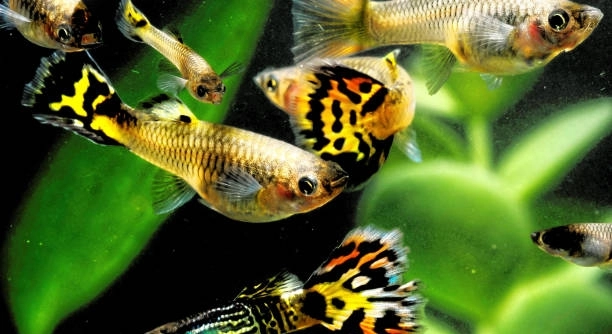
Guppies are known for their playful and social nature, but sometimes they can spend a lot of time hiding. It can be concerning if you’re wondering why your guppies aren’t behaving as expected.
The primary reason guppies hide is often due to stress or discomfort caused by factors such as poor water quality, improper tank mates, or changes in their environment. Understanding the causes of their behavior can help improve their well-being.
Several factors contribute to guppy hiding, and recognizing them can make a significant difference in their health. Identifying these issues early can help create a more comfortable environment for your guppies to thrive.
Poor Water Quality
One of the most common reasons your guppies may hide is poor water quality. Guppies are sensitive to changes in water conditions, and even small fluctuations can cause them to feel stressed. High levels of ammonia, nitrites, or nitrates in the tank can create an environment that’s unsafe for your guppies. Dirty water can also lead to diseases, which may cause them to seek out hiding spots. It’s essential to test your water regularly and maintain the right levels of pH, temperature, and hardness to keep your guppies comfortable.
If your guppies are consistently hiding, water quality should be the first thing to check. Clean water will reduce their stress levels, and they’ll likely start swimming freely again once they feel safe. Make sure to perform regular water changes and monitor the filtration system to avoid any toxic build-up.
Always ensure your tank has good filtration, and make adjustments as needed. Keeping water clean and stable is the foundation of a healthy environment for your guppies.
Tank Mates
Tank mates can have a significant impact on your guppies’ behavior. Guppies are peaceful fish, and they thrive best with non-aggressive companions. If you have aggressive fish in the tank, they may be bullying your guppies, causing them to hide. In such cases, the guppies may feel threatened and retreat to a corner of the tank to escape the aggression.
It’s important to choose tank mates carefully when setting up a guppy tank. Some species may nip at their fins or chase them, which can cause stress and lead to more hiding. Fish such as bettas or larger, more territorial species are best avoided. Opt for peaceful and similar-sized fish that won’t intimidate your guppies.
To prevent stress, monitor how different fish interact and ensure that there’s enough space for everyone. Providing hiding spots and live plants can also help your guppies feel more secure in the presence of tank mates.
Water Temperature
Guppies are sensitive to water temperature changes, and if it’s too cold or too warm, they may hide. A fluctuating temperature can be stressful, causing them to seek shelter. The ideal temperature range for guppies is between 72°F and 82°F. Anything outside this range can cause them to feel uncomfortable and retreat into hiding spots.
If the water is too warm, it can reduce the oxygen levels in the tank, making it harder for your guppies to breathe. Conversely, cold water can slow their metabolism and make them less active. It’s crucial to maintain a stable temperature using a reliable heater or thermometer. Sudden temperature changes should be avoided to ensure your guppies remain healthy and active.
By monitoring the temperature and making necessary adjustments, you can prevent your guppies from feeling stressed. Consistency in their environment helps them stay comfortable, reducing the need to hide.
Overcrowding
Overcrowding in a tank can make guppies feel anxious and stressed, causing them to hide. When there are too many fish in a small space, there’s not enough room for them to swim freely. This leads to competition for food, territory, and oxygen. As a result, some guppies may seek out hiding spots to avoid the constant pressure.
To avoid overcrowding, make sure the tank size is appropriate for the number of guppies. A good rule of thumb is to allow 1 inch of fish per gallon of water. Regularly monitor the fish population and consider upgrading the tank if necessary. Overcrowding can also lead to poor water quality, which further stresses the guppies.
If you notice that your guppies are hiding more often, reducing the number of fish in the tank or upgrading to a larger tank can help them feel more at ease. More space equals fewer stressors and a more active, happy aquarium.
Sudden Environmental Changes
Guppies can be sensitive to sudden changes in their environment, such as a move to a new tank or altering the decor. Any change in their surroundings can cause stress, leading them to hide. Guppies feel more secure when their environment remains stable and predictable.
If you need to make changes to the tank, it’s best to do so gradually. Moving decorations, altering water parameters, or even changing the lighting should be done slowly to prevent overwhelming your guppies. This allows them time to adjust without causing undue stress. Sudden shifts can make them feel unsafe, encouraging hiding behavior.
Small, gradual changes will help your guppies adapt over time without triggering stress or fear. Keeping a stable environment ensures your fish are comfortable and confident in their tank.
Lighting
Lighting can affect your guppies’ behavior. If the lights are too bright or on for too long, they may become stressed and seek shelter. Guppies prefer a natural day-night cycle, and too much light can make them feel exposed or uneasy.
To keep your guppies comfortable, try setting up a light cycle with around 10-12 hours of light per day. Using a timer can help maintain a consistent lighting schedule. Dim lighting or hiding spots can also provide your guppies with a sense of security if they are feeling too exposed.
Stress from Handling
Handling your guppies too much can cause stress and make them retreat into hiding. Guppies are delicate and, when constantly disturbed, can become anxious and uncomfortable. It’s essential to avoid frequent netting or moving them unless necessary.
Give your guppies time to settle and feel at ease in their environment. Reducing handling and creating a peaceful habitat will help your fish feel safe, leading to more natural and confident behavior.
FAQ
Why are my guppies hiding all of a sudden?
If your guppies are hiding more than usual, it could be due to a sudden change in their environment, such as a water quality issue, temperature fluctuation, or the presence of new tank mates. Stress is a common cause, and guppies can be easily affected by poor water conditions, overcrowding, or aggressive fish. Another factor might be the lighting—too bright or constant lighting can cause stress. If you’ve made changes in the tank, like moving decorations or adjusting the water parameters, guppies may hide until they feel safe again.
How can I stop my guppies from hiding so much?
To reduce hiding behavior, ensure the water quality is optimal by regularly testing for ammonia, nitrites, and nitrates. Perform water changes to keep the environment clean. Also, avoid overcrowding and make sure your tank has enough space for the fish. Consider adding more hiding spots with plants or decorations, so your guppies feel secure but not trapped. Lastly, keep the tank well-lit but with a consistent light cycle. Reducing stress and maintaining stability will help your guppies feel more at ease and spend less time hiding.
What is the ideal water temperature for guppies?
Guppies thrive in water temperatures between 72°F and 82°F (22°C to 28°C). If the temperature is too high or too low, guppies may become stressed, which can lead to hiding. Use a heater and thermometer to maintain a steady temperature in this range. Avoid sudden fluctuations, as guppies are sensitive to rapid temperature changes, which can trigger hiding behavior or even health issues.
Can tank mates make guppies hide?
Yes, aggressive tank mates can cause guppies to hide. Guppies are peaceful fish and may retreat if they feel threatened by more dominant or territorial species. Fish like bettas, cichlids, or larger species may bully guppies, making them seek shelter. It’s important to select compatible tank mates for your guppies to avoid stress and prevent hiding.
Is it normal for guppies to hide at night?
It’s normal for guppies to hide at night as part of their natural behavior. Like many fish, they prefer to rest in darker, more secure areas during the night. However, if they are constantly hiding, even during the day, it may indicate stress or health problems. Make sure they are not being disturbed by other fish or environmental factors. If the hiding persists, check the water quality, temperature, and tank conditions.
What do I do if my guppy is hiding but still eating?
If your guppy is eating but hiding, it could simply be a sign of them feeling a little stressed or shy, especially in a new environment or if changes were recently made to the tank. As long as they are eating and swimming occasionally, it’s usually not a cause for concern. Keep an eye on them and monitor their behavior. If hiding continues, check the water quality, temperature, and any possible aggression from other tank mates.
How long will it take for my guppy to stop hiding?
The amount of time it takes for your guppy to stop hiding depends on the cause of the stress. If the hiding is due to something like poor water quality or an aggressive tank mate, once these issues are addressed, your guppy should start to feel more comfortable and come out of hiding within a few days. However, if the cause is more severe, such as a health problem, it may take longer for your guppy to recover and resume normal behavior.
Can I add new guppies to a tank with one hiding?
It’s generally best to wait until your hiding guppy becomes more active and comfortable before adding new fish. Introducing new guppies to a stressed or anxious tank mate can increase tension and possibly lead to more hiding. Once you resolve the stressors in the tank, such as water quality or aggression, it will be safer to add new guppies to the mix.
Should I be worried if my guppies hide for several days?
While occasional hiding is normal, especially if changes are made to the environment, guppies hiding for several days could signal a problem. If they are not eating, appear lethargic, or exhibit abnormal behavior, it’s important to address potential issues such as water quality, tank mates, or health problems. Keeping an eye on their behavior and taking steps to improve their environment can help resolve this. If the problem persists, consider consulting an aquarium professional or vet.
Final Thoughts
Guppies are generally social and active fish, but they can sometimes hide due to stress or discomfort in their environment. It’s important to observe their behavior closely to identify any potential issues that could be causing them to retreat. Whether it’s poor water quality, an uncomfortable temperature, or aggressive tank mates, addressing these factors is key to ensuring your guppies feel safe and happy in their home. With the right care and attention, your guppies will become more active and less prone to hiding.
Maintaining a stable and clean tank environment is essential for guppy health. Regular water changes, proper filtration, and temperature control can help prevent stress and improve the overall quality of life for your guppies. In addition to these, providing hiding spots like plants or decorations can give your fish a sense of security, which may encourage them to spend more time swimming openly. Keeping the tank environment peaceful, with compatible tank mates, is equally important. Avoid overcrowding, and choose non-aggressive species to ensure that your guppies aren’t feeling threatened.
Remember that guppies are sensitive creatures, and a little patience goes a long way in building their comfort and trust. They may hide for a variety of reasons, but with a stable tank and attentive care, you can help them feel safe enough to explore and interact more. If hiding continues for an extended period or if other symptoms appear, it may be worth investigating further. Whether it’s adjusting water conditions or seeking professional advice, taking action early will ensure your guppies live a long, healthy life in a peaceful tank.

Hello,
If you enjoy the content that we create, please consider saying a "Thank You!" by leaving a tip.
Every little bit helps us continue crafting quality advice that supports the health, happiness, and well-being of pets around the world, for pets of all shapes, sizes, and species.
We really appreciate the kindness and support that you show us!