
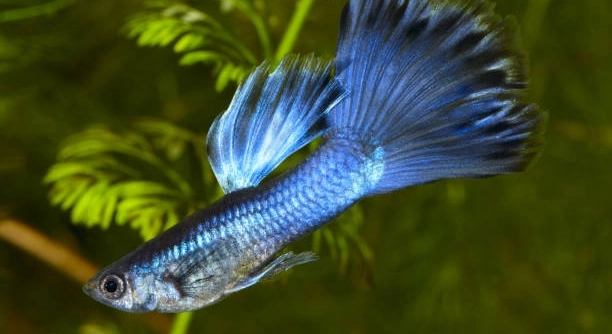
Guppies are a popular choice for aquarium enthusiasts, but their immune health often goes overlooked. Maintaining a strong immune system is essential for ensuring their long-term well-being and happiness. This article will explore simple ways to support your guppy’s health.
Supporting your guppy’s immune health requires consistent care, a balanced diet, and a stress-free environment. Proper water conditions, along with the right supplements and diet, can greatly improve their overall immune function and resistance to diseases.
Small adjustments in your guppy’s daily care routine can help them thrive. Let’s explore simple yet effective ways to strengthen their immune system.
1. Provide a Balanced and Nutritious Diet
A healthy diet is the foundation for a strong immune system in guppies. Their diet should include a variety of foods that provide essential nutrients. Quality fish flakes, freeze-dried foods, and occasional live foods like brine shrimp can give your guppies the vitamins, minerals, and protein they need. When you feed them, make sure to choose foods designed specifically for tropical fish, as these are formulated to meet their nutritional needs. It’s also important to feed them small portions multiple times a day, as overfeeding can lead to water contamination, which can affect their health.
Regular feeding with nutritious foods ensures your guppies have the energy to fight off illnesses. Stick to high-quality fish foods that include a mix of plant and animal-based ingredients. Guppies also benefit from the occasional treat, like daphnia or bloodworms, to mimic their natural diet.
The right food is essential for their immune health, but it’s also important to vary their meals to prevent deficiencies. A little variety goes a long way in making sure your guppy stays strong and healthy.
2. Maintain Optimal Water Quality
Water quality plays a major role in a guppy’s immune health. High levels of ammonia, nitrites, and poor water conditions can weaken their immune system, making them more prone to diseases. Regular water changes are necessary to maintain good water quality. Aim to change 20-30% of the tank water each week. Also, use a good filtration system to help keep the water clean and clear. Check the water parameters like pH, temperature, and hardness regularly, and make adjustments as needed.
Stress from poor water quality can lead to immune suppression, leaving your guppies vulnerable. Ensure that the tank is kept clean and stable, and keep an eye on any changes in their behavior that might signal water quality issues. If your guppies are stressed or unhealthy, it could be due to unstable tank conditions.
By ensuring proper water quality, you can prevent many illnesses and help your guppies thrive in a healthy environment. Regular maintenance and monitoring are simple yet effective ways to support their immune health.
3. Avoid Overcrowding in the Tank
Overcrowding can lead to stress, which weakens your guppies’ immune systems. A tank that is too full may result in poor water quality and an increased risk of disease. Keep the tank size appropriate for the number of guppies, ensuring each one has enough space to swim and thrive.
Each guppy needs sufficient space to move freely, and overcrowding can lead to aggression or territorial disputes. Make sure there’s enough room for them to swim without bumping into each other too much. A general rule is about one inch of fish per gallon of water, but make adjustments based on your tank setup.
Overcrowding also makes it harder to maintain stable water conditions. When there are too many fish, waste builds up quickly, leading to dangerous spikes in ammonia and nitrites. To avoid overcrowding, monitor your guppy population and make sure your tank size can comfortably support them.
4. Minimize Stress Factors
Stress can seriously impact a guppy’s immune health. Sudden changes in temperature, loud noises, or even excessive handling can cause anxiety, making it harder for them to fight off illness. Try to create a calm, stable environment for your fish.
Make sure the tank temperature stays consistent, as drastic changes can stress your guppies. Aim for a temperature range of 72-82°F, and use a reliable heater to maintain stability. It’s also important to limit external disturbances like sudden movement around the tank. Consistent, quiet surroundings will help keep your guppies feeling safe and reduce stress.
Additionally, providing plenty of hiding spots and plants in the tank can give your guppies a sense of security. A few decorations and plants will allow them to retreat if they feel threatened, which can help reduce stress. Keeping a peaceful, stable environment ensures your guppies feel comfortable and healthy.
5. Regularly Check for Signs of Illness
Monitoring your guppies for signs of illness is essential for catching problems early. Look for unusual behavior such as lethargy, loss of appetite, or abnormal swimming patterns. Early detection helps you treat issues before they worsen, supporting your guppy’s immune system.
Check for external signs of illness, like faded colors, lesions, or fin rot. These are signs that something is wrong. If you notice any of these symptoms, act quickly by isolating the affected guppy and researching the proper treatment for the condition. A healthy fish should be active and have vibrant colors.
If your guppy’s behavior or appearance changes suddenly, it’s important to investigate immediately. Isolating sick fish and treating the problem promptly will help prevent it from spreading to others, keeping the entire tank healthy.
6. Provide Supplements When Necessary
Occasionally, your guppy may need additional nutrients or supplements to boost its immune health. Special fish vitamins or garlic supplements can support their immune system, especially if the fish are stressed or not eating a balanced diet.
These supplements can be added to their food, or in some cases, directly to the water. Garlic is known for its immune-boosting properties and can help fight off parasites and infections. Fish supplements designed for tropical fish can provide the necessary vitamins and minerals that might be lacking in their regular diet.
Adding supplements to their diet is a simple way to ensure they get the nutrients they need to stay healthy, especially if they seem to be under stress or prone to illness.
7. Quarantine New Fish Before Adding Them
Introducing new fish to your tank without quarantining them first can bring diseases into your existing setup. Even healthy-looking fish may carry hidden parasites or bacteria. It’s best to quarantine new guppies for a few weeks before adding them to the main tank.
Setting up a small quarantine tank is simple and helps you avoid potential problems. Watch for any signs of illness or unusual behavior during this time. If you notice anything wrong, you can treat the new fish without putting your entire tank at risk.
This step prevents the spread of diseases and keeps your existing guppies safe from potential infections.
FAQ
How can I tell if my guppy is stressed?
Stressed guppies often show signs like rapid swimming, hiding, or resting near the bottom of the tank. They may also lose their vibrant colors or exhibit erratic behavior. If your guppy is not eating or seems lethargic, stress could be the cause. Stress can come from poor water quality, overcrowding, sudden changes in temperature, or aggression from other fish. Providing hiding spots and maintaining stable water conditions can help reduce stress in your guppy.
What should I feed my guppies for better immune health?
A balanced diet is key to supporting your guppy’s immune health. You can feed them high-quality fish flakes, frozen or freeze-dried foods, and occasional live foods like brine shrimp or daphnia. These foods offer a mix of proteins, vitamins, and minerals. Guppies benefit from a varied diet, so try to give them different types of food to cover all their nutritional needs. Regularly offering them small portions will also help avoid overfeeding, which can affect their water quality.
How often should I change the water in my guppy tank?
Water changes are crucial for keeping your guppies healthy. It’s recommended to change 20-30% of the tank water weekly. This helps remove excess waste, uneaten food, and toxins that can build up. If you have a smaller tank, you may need to change the water more frequently. Always make sure the new water is the correct temperature and has been properly treated to remove chlorine. Regular water changes help maintain stable water conditions, which are important for your guppy’s immune health.
Can I keep guppies with other fish?
Yes, guppies can be kept with other peaceful fish. However, it’s important to avoid aggressive species that might stress or harm them. Guppies generally do well with other small, calm fish like tetras, mollies, or small catfish. Just ensure there’s enough space in the tank and that water parameters are suitable for all species. Always monitor the behavior of new fish and make sure they don’t cause stress to your guppies.
What water temperature is best for guppies?
Guppies thrive in water temperatures between 72°F and 82°F. Keeping the water temperature within this range ensures that your guppies are comfortable and their immune systems function properly. Sudden temperature fluctuations can stress them and make them more vulnerable to illness. Using a reliable aquarium heater can help maintain a stable temperature, especially in cooler environments. Regularly check the temperature to make sure it stays within the ideal range.
How can I prevent diseases in my guppy tank?
Preventing diseases starts with maintaining good water quality, feeding a nutritious diet, and reducing stress. Regular water changes, proper filtration, and monitoring for signs of illness are key practices. Quarantine any new fish before adding them to the tank to avoid introducing potential pathogens. Keeping the tank clean and ensuring it’s not overcrowded also lowers the risk of disease. Adding supplements like garlic can help boost their immune system, making them less likely to get sick.
Why is my guppy’s color fading?
Fading colors in guppies can be a sign of stress, poor water quality, or illness. Stressful conditions, such as overcrowding, sudden changes in water parameters, or aggression from tankmates, can cause your guppy’s colors to dull. Illnesses like parasites or bacterial infections can also lead to color loss. If your guppy is still eating and behaving normally, it might just be stressed or adjusting to new conditions. If fading continues, check water quality and look for other signs of illness.
How long can guppies live?
Guppies typically live for 2 to 3 years, although some can live longer with optimal care. Providing a stable environment with good water quality, a balanced diet, and minimal stress will help your guppies live a longer, healthier life. Regular health checks and maintaining a clean tank are also essential for their longevity. If you notice any changes in behavior or health, it’s important to address them early to improve their chances of living a long life.
How can I tell if my guppy is pregnant?
Pregnant guppies will often have a noticeably larger belly. You may also see a dark spot near the rear of the belly, which is where the fry are developing. The female’s body will become more rounded, and you might notice her swimming slower or spending more time near the bottom. To ensure the health of both the mother and the fry, provide hiding spots in the tank for the baby guppies to escape predators, including other fish.
Should I use aquarium salt for guppies?
Aquarium salt can be helpful for treating certain fish diseases, such as ich or fin rot, but it should be used sparingly. Guppies don’t need salt in their regular water, and too much can harm them. Use salt only if your guppy is sick and you need to treat a specific condition. Always follow the instructions on the packaging and make sure you remove the salt after treatment.
How do I treat a sick guppy?
Treating a sick guppy depends on the symptoms. If you notice signs of illness, isolate the sick fish in a quarantine tank to prevent spreading the disease. You can then identify the illness based on symptoms and research the appropriate treatment. For bacterial infections, there are specific antibiotics you can add to the tank. For parasites, medications like copper sulfate may be needed. Make sure to maintain clean water during treatment and provide a stress-free environment for your guppy to recover.
Final Thoughts
Supporting the immune health of your guppies is key to keeping them happy and thriving. By focusing on a balanced diet, good water quality, and reducing stress, you can provide a healthy environment for your fish. Regular monitoring of their health and behavior will help you catch any issues early, allowing you to address them before they become bigger problems. A few simple changes in how you care for your guppies can make a significant difference in their overall health and lifespan.
It’s also important to understand that every guppy is different. What works for one fish might not work for another. Some guppies may be more sensitive to water changes or certain types of food. Keep an eye on their behavior and make adjustments when necessary. For example, if you notice that one of your guppies is not eating well or acting differently, it might be a sign that something in the environment needs to be adjusted. Whether it’s the water temperature, the food you’re offering, or the tank mates they share space with, small tweaks can often lead to big improvements.
Lastly, always keep in mind that guppies, like all fish, are sensitive to their environment. Their immune health is closely tied to the conditions in which they live. By providing a clean tank, stable water conditions, and a balanced diet, you’re giving them the best chance for long-term health. With consistent care, you can enjoy a thriving, colorful aquarium full of happy guppies.

Hello,
If you enjoy the content that we create, please consider saying a "Thank You!" by leaving a tip.
Every little bit helps us continue crafting quality advice that supports the health, happiness, and well-being of pets around the world, for pets of all shapes, sizes, and species.
We really appreciate the kindness and support that you show us!