
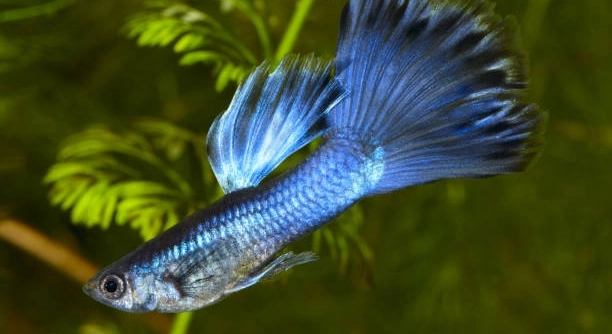
Guppies are known for their peaceful nature, but sometimes they can display surprising aggression. Understanding why this happens can help you create a peaceful environment for your fish. Several factors might be at play.
Aggression in guppies can be caused by overcrowding, poor water quality, territorial behavior, or competition for food. Stress, gender imbalances, and inadequate tank space also contribute to aggressive actions. Addressing these causes can promote a harmonious tank.
Learning about the causes of aggression in your guppies can help you improve their living conditions. This knowledge is key to keeping them happy and healthy.
Overcrowding in the Tank
When guppies are kept in small spaces, they often feel stressed, leading to aggressive behavior. A tank that is too crowded can cause tension as the fish fight for space. Overcrowding leads to a lack of resources, including hiding spots and territory. Guppies naturally need space to swim freely, and if this is limited, they may act aggressively toward each other. It is essential to ensure the tank has enough room for each fish.
The recommended tank size for a small group of guppies is at least 10 gallons. This allows them to establish their own space and avoid conflicts. A well-planned tank setup, with plants and decorations, also provides hiding places that can reduce stress and prevent fighting.
By adjusting the tank size and providing proper hiding spots, you can ensure your guppies have the space they need to thrive. This helps in reducing aggressive behavior and keeps the environment peaceful for all fish involved.
Poor Water Quality
Water quality plays a significant role in the behavior of guppies. Poor water conditions can stress the fish, leading to aggression. High levels of ammonia, nitrites, and nitrates can irritate their sensitive skin and gills. This can make guppies more likely to display aggressive behavior toward one another.
Maintaining clean water with proper filtration and regular water changes is vital. Ensuring that the pH, hardness, and temperature are within the ideal range for guppies also contributes to their health and well-being. Regular water testing and monitoring will help prevent poor conditions.
A well-maintained tank with clear, clean water reduces stress, allowing your guppies to feel secure and peaceful. Keeping the water clean is essential for fostering a calm environment where aggression is less likely.
Territorial Behavior
Guppies can become aggressive when they feel the need to defend their space. Male guppies, in particular, are more territorial and may fight to protect their area or any potential mates. This behavior can lead to stress and injury if not managed.
Providing plenty of hiding spots and decorations helps reduce territorial disputes. By introducing plants, rocks, and aquarium accessories, you can break up the space into different areas. This allows your guppies to establish their territories without constant conflict. In larger tanks, territorial behavior is less common because of the available space.
It’s important to keep a close eye on aggressive interactions between males. If you notice consistent fighting, consider rearranging the tank setup or removing any overly aggressive individuals. This can create a more peaceful environment for the remaining guppies.
Competition for Food
Guppies may fight over food, especially when there is not enough for everyone. When you feed them, they may become aggressive if they feel they need to compete for limited resources. This can lead to fights, particularly when multiple fish try to get the same piece of food.
Feeding your guppies multiple times a day in small amounts can help reduce competition. It’s also beneficial to scatter the food around the tank, so each fish has an equal opportunity to access it. This method encourages natural foraging behavior, which keeps your guppies engaged and satisfied.
Adding enough food to meet the needs of your guppies without overfeeding is crucial. Overfeeding can lead to poor water quality, which can increase stress and aggression. Ensure a balanced feeding routine that supports their health while reducing fighting over food.
Stress from Environmental Factors
Guppies are sensitive to changes in their environment. Changes in water temperature, lighting, or pH levels can cause stress, which often leads to aggression. A stable environment is key to keeping your fish calm.
Consistency in water temperature and lighting helps reduce stress. Guppies thrive in a stable environment, where fluctuations are minimal. Ensuring proper filtration and aeration also keeps the water conditions ideal. Stress from external factors can make guppies act out, so a controlled tank setup is essential for their well-being.
Small changes in their surroundings can disrupt their balance. If your guppies seem more aggressive, review any recent changes in the tank setup and address them promptly.
Gender Imbalance
A poor male-to-female ratio can lead to aggression, especially among males. When there are too many males in a tank, they may compete for the attention of females, resulting in fights and stress. This imbalance causes unnecessary tension among the fish.
To prevent aggression, it’s important to maintain a balanced male-to-female ratio. Aim for two females for every male to help reduce competition. Female guppies also prefer this arrangement, which keeps the males from constantly fighting for attention.
By adjusting the ratio of males to females, you can promote peace and reduce aggression in your guppy tank.
Lack of Proper Space
When guppies don’t have enough space to swim, they can become stressed and more likely to act aggressively. A tank that’s too small can lead to overcrowding, which increases competition for food and space. Providing ample room for each guppy helps keep them calm.
A larger tank ensures that each fish has space to establish its own territory. This reduces the likelihood of aggression because the guppies don’t feel the need to constantly compete for limited space. If you have a group of guppies, consider upgrading to a bigger tank for their comfort.
FAQ
Why are my guppies fighting?
Guppies fight due to various reasons, including overcrowding, stress, and competition for resources. Male guppies, in particular, can become territorial and aggressive toward each other, especially if there are too many males in the tank. Poor water quality and lack of hiding spots also contribute to fights, as guppies may become stressed and defensive. Proper tank setup, maintaining water quality, and ensuring the right male-to-female ratio can help reduce aggression.
How can I stop my male guppies from fighting?
Male guppies often fight for dominance and attention from females. To reduce fighting, try increasing the number of females in the tank. A good rule of thumb is to have two females for each male. This helps spread the males’ attention and reduces competition. Adding more plants and decorations can also help by providing hiding spaces for the guppies to avoid direct contact. Additionally, ensuring the tank is large enough can help give the males their own space.
What are the signs of stress in guppies?
Stressed guppies may display several signs, including lethargy, erratic swimming, loss of color, and hiding more than usual. They might also become more aggressive or act unusually towards other fish. If your guppies are constantly hiding or swimming near the surface of the water, it may indicate that they are stressed. Stress can be caused by poor water quality, overcrowding, or abrupt changes in the tank environment. Keeping the water conditions stable and making sure the tank is properly maintained can help reduce stress.
How often should I change the water in my guppy tank?
Water changes should be done regularly to keep the tank environment healthy. A general guideline is to change about 20-30% of the water every week. However, this can vary depending on the tank size, number of guppies, and filtration system. More frequent water changes may be necessary in tanks with high fish populations or poor filtration. Regular water testing will help determine if the water quality is declining, which might require more frequent changes.
Can guppies live with other fish?
Yes, guppies can live with other species, as long as their tank mates are peaceful and non-aggressive. Ideal companions include other small, peaceful fish such as tetras, mollies, and corydoras catfish. Avoid keeping them with large, predatory fish, as they may see guppies as prey. Always research the behavior and temperament of other fish before introducing them to your guppy tank. A well-planned tank with plenty of hiding spots can help reduce aggression among species.
Do guppies get along with each other?
Guppies are generally peaceful fish, but they can become territorial, especially males. When kept in small tanks or overcrowded conditions, they may become aggressive toward each other. To promote harmony among guppies, it’s important to have a balanced male-to-female ratio and provide enough space. Providing hiding spots and tank decorations can also give guppies areas to retreat and reduce the chances of conflict. Proper care and a well-maintained environment can help ensure that your guppies live peacefully together.
How many guppies can I keep in a 10-gallon tank?
A 10-gallon tank can comfortably house about 5-6 guppies. It’s important not to overcrowd the tank, as this can lead to aggression, poor water quality, and stressed fish. A good rule of thumb is to allow 1 inch of fish per gallon of water. Since adult guppies are usually about 2 inches long, you can keep 5-6 guppies in a 10-gallon tank, but always consider their behavior and the amount of space needed to avoid overcrowding.
Why is my female guppy chasing other fish?
Female guppies may chase other fish if they are stressed or feel threatened. They can also chase other fish if they are ready to breed, especially if there are male guppies in the tank. Sometimes, they may show aggression toward other species or even other female guppies. Stress from water conditions, overcrowding, or a lack of hiding spaces can cause such behavior. Ensuring a peaceful environment, providing enough space, and maintaining proper water quality can help reduce this aggression.
How do I prevent guppy aggression?
To prevent aggression in guppies, ensure the tank is large enough to provide adequate space for each fish. Avoid overcrowding, and maintain a proper male-to-female ratio, as too many males can lead to fights. Provide plenty of hiding spaces using plants, rocks, and decorations, which help reduce stress and allow the fish to avoid each other. Maintaining clean water and stable environmental conditions is also essential in keeping aggression at bay. Regular monitoring of fish behavior and adjusting the tank setup as needed can help create a peaceful environment.
Can guppies breed in a community tank?
Yes, guppies can breed in a community tank, but it’s important to consider the other fish in the tank. If there are aggressive or larger fish, they may harass or eat the fry. To successfully breed guppies in a community tank, make sure the environment is safe and that the other fish are non-predatory. If you’re concerned about the fry being eaten, you can add a breeding box or separate the pregnant female into a breeding tank until she gives birth. Proper care for both the adults and the fry is essential for successful breeding.
Final Thoughts
Understanding why your guppies are showing aggression is essential for maintaining a healthy and peaceful tank. There are many factors that can contribute to aggressive behavior, such as overcrowding, poor water quality, or territorial disputes. By identifying the root causes of aggression, you can take the necessary steps to create a more peaceful environment for your guppies. Ensuring that they have plenty of space, proper water conditions, and a balanced male-to-female ratio will go a long way in reducing conflicts and promoting their well-being.
It’s important to remember that guppies are relatively peaceful fish by nature, but their behavior can change when they feel threatened or stressed. Regular monitoring of their tank conditions, including temperature, pH levels, and water cleanliness, is crucial in keeping aggression at bay. Providing plenty of hiding spots and decorations in the tank helps reduce territorial behavior. With the right setup, your guppies can thrive and live together peacefully, avoiding unnecessary stress and fights.
Ultimately, creating a peaceful environment for your guppies requires a combination of proper care, attention to their needs, and understanding their behavior. If you notice aggression, take time to observe and address the causes, whether it’s related to space, food, or tank mates. By maintaining a well-balanced and stress-free environment, you ensure that your guppies live healthy, happy lives, free from unnecessary aggression.

Hello,
If you enjoy the content that we create, please consider saying a "Thank You!" by leaving a tip.
Every little bit helps us continue crafting quality advice that supports the health, happiness, and well-being of pets around the world, for pets of all shapes, sizes, and species.
We really appreciate the kindness and support that you show us!