
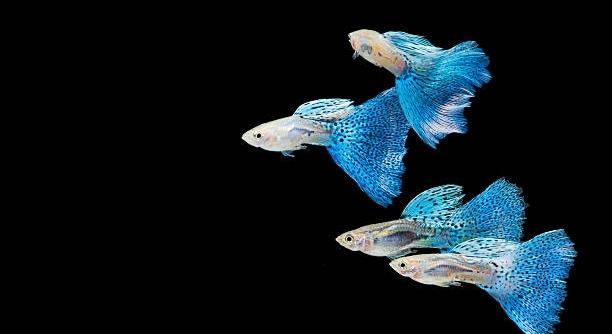
When observing guppy fry, it is not uncommon to notice them remaining still for extended periods. This behavior can raise concerns for aquarists, especially if it is unusual. Several factors may contribute to this inactivity.
The main reasons for a guppy fry staying still could include environmental stress, poor water quality, inadequate temperature, or even the presence of predators. Additionally, insufficient food, overcrowding, or illness can also cause fry to become lethargic.
Understanding these causes will help address any concerns and ensure your guppy fry remain healthy and active in their aquarium environment.
Water Quality Issues
Poor water quality is a common cause of guppy fry staying still. High levels of ammonia, nitrites, or nitrates can stress the fry, causing them to become lethargic. Fry are especially sensitive to changes in water parameters, and even slight fluctuations can have a significant impact on their behavior. It’s important to maintain clean water to ensure their well-being.
Regular water changes and the use of a reliable filtration system can help keep the water safe. Testing the water for ammonia, pH, and other chemicals can give you a clearer picture of the water’s condition. If the water is consistently dirty, fry may avoid moving to prevent further stress or injury.
When caring for fry, maintaining optimal water conditions is essential to their growth and development. A stable, clean environment reduces the likelihood of stress-related behaviors. By testing and adjusting the water parameters, you ensure the fry thrive in their habitat, staying healthy and active.
Temperature and Temperature Shifts
Temperature shifts can have a major effect on guppy fry activity. Guppies prefer a stable environment with a temperature range between 75°F and 80°F. If the water temperature drops below or rises above this range, the fry may exhibit stillness due to discomfort.
Inconsistent water temperatures stress the fry, slowing down their metabolism and making them more vulnerable to diseases. Maintaining a heater that can regulate the temperature will keep the water at the ideal level for the fry. Avoid placing the tank in areas with extreme temperature fluctuations.
Stable water temperature helps prevent the fry from going into a state of dormancy or lethargy. Fry tend to become more active when kept in an optimal environment, which promotes their growth. To ensure your fry stay healthy, invest in a good thermometer and heater to maintain consistent conditions.
Overcrowding in the Tank
Overcrowding can lead to stress, making guppy fry stay still. When too many fry are in a small space, they compete for food and shelter. This can result in a lack of movement as they avoid each other, fearing conflict or aggression.
In smaller tanks, fry may feel cramped and unsafe, leading to inactivity. Fry need space to swim freely to build strength and develop properly. To avoid overcrowding, ensure the tank has enough room for each fry. Consider separating larger fry from smaller ones to prevent bullying.
If the tank feels overcrowded, removing some fry or adding decorations can create more hiding spots, allowing them to feel secure. By maintaining appropriate stocking levels, you reduce stress on the fry. This will help them grow stronger and remain active, making it easier to monitor their overall health.
Illness or Infection
Guppy fry, like any fish, can become ill, which may cause them to stay still. Illness or infection can make the fry feel weak, leading them to stay in one spot. Common signs of illness include discoloration, abnormal swimming patterns, or sluggishness.
Fry are especially vulnerable to diseases like fungal infections, parasites, or bacterial infections. When their immune systems are compromised, they become lethargic and may refuse to swim. Immediate treatment is necessary to avoid spreading the illness. Medications specifically for guppy fry can help address these problems.
To prevent illness, ensure the water quality is high and that the fry are fed properly. A nutritious diet helps boost their immune system and reduce the risk of infection. Taking steps to address any health issues early can keep your guppy fry active and strong.
Lack of Food
When guppy fry don’t have enough food, they may become still, conserving energy. Fry need frequent feeding because they have small stomachs and high metabolism. Without proper nutrition, they may not have the strength to swim around.
Ensure the fry are being fed appropriately. Overfeeding can lead to water quality issues, but underfeeding can result in weak, lethargic fry. Offer small amounts of high-quality food, such as finely crushed flakes or live brine shrimp, multiple times a day.
Providing the right amount of food ensures your fry are strong, active, and growing at a healthy rate.
Stress from Tank Mates
Fry can experience stress from other fish in the tank. Aggressive or larger fish may intimidate the fry, causing them to stay still to avoid conflict. This fear often results in a lack of movement, as the fry seek safety.
To reduce stress, consider adding more hiding spots or plants in the tank. These will provide the fry with a safe space to rest. It’s also wise to keep the fry in a separate tank away from more aggressive fish.
Creating a peaceful environment encourages the fry to explore and become more active.
Genetic Factors
Genetics can play a role in the behavior of guppy fry. Some fry may naturally be more timid or less active due to inherited traits. While this is less common, it can contribute to inactivity in some cases.
If fry are generally healthy but still inactive, it could be due to their genetic predisposition. However, other factors such as water quality, food, and environment should always be prioritized before attributing inactivity to genetics.
FAQ
Why is my guppy fry not moving around?
Guppy fry may not move around due to a variety of reasons. One of the most common causes is poor water quality, which stresses them. If ammonia, nitrites, or nitrates are high, fry may stay still to avoid further irritation. Additionally, low or inconsistent temperatures can slow them down. Inadequate food or overcrowding can also cause fry to become lethargic. If they are sick, you may also notice them staying still. Lastly, the presence of aggressive tank mates may cause fry to freeze in fear.
What is the ideal water temperature for guppy fry?
Guppy fry thrive in water temperatures ranging from 75°F to 80°F (24°C to 27°C). Temperatures outside this range can lead to lethargy or stress. If the water is too cold, fry may become sluggish and have difficulty feeding. On the other hand, excessively warm water can stress the fry and increase the chances of disease. To ensure consistency, it’s important to use a reliable heater and thermometer.
How often should I feed guppy fry?
Guppy fry should be fed small amounts of food multiple times a day, typically 2 to 3 times. Their small stomachs require frequent feedings to keep their energy levels up. Offering tiny, finely crushed flakes or live food like brine shrimp is ideal. Avoid overfeeding, as uneaten food can degrade water quality.
Can guppy fry be kept with adult guppies?
It’s not recommended to keep very small guppy fry with adult guppies. Adult guppies may see the fry as food and may attempt to eat them. If you do choose to keep them together, make sure to provide plenty of hiding spots like plants or decorations to help the fry feel safe.
What can I do if my guppy fry are not eating?
If guppy fry are not eating, it could be due to water quality issues, a lack of food variety, or stress. Make sure the water is clean and free from high ammonia or nitrite levels. Try offering different types of food, such as finely crushed flakes or live baby brine shrimp. If stress is an issue, reduce overcrowding and provide hiding spots.
Why is my guppy fry turning pale or losing color?
A pale guppy fry could indicate poor water quality, stress, or illness. If the water parameters are not ideal, such as high ammonia or low oxygen levels, it can cause a loss of color. Illness or parasites can also cause discoloration. If the fry is isolated or stressed, its color might fade temporarily. Treating any health issues and improving water quality can help restore the fry’s color.
How can I reduce stress for my guppy fry?
To reduce stress for guppy fry, maintain a stable and clean environment. Make sure the tank is free from any aggressive fish that may intimidate the fry. Overcrowding can also contribute to stress, so ensure that the fry have enough space to swim. Adding plants or hiding spots can help them feel secure.
Is it normal for guppy fry to stay still for a long time?
While it is not uncommon for guppy fry to remain still for short periods, excessive stillness may indicate underlying issues. Common causes include poor water quality, incorrect temperature, overcrowding, or illness. If the fry remain inactive for extended periods, it’s important to check the water parameters and look for any signs of disease or stress.
What are some common illnesses that affect guppy fry?
Common illnesses that affect guppy fry include fungal infections, bacterial infections, and parasites. Symptoms of illness may include pale coloring, swollen bodies, or difficulty swimming. If the fry show signs of illness, it’s crucial to address the water quality and consider using appropriate medications to treat the specific condition. Early intervention can help prevent the spread of disease.
How long do guppy fry typically stay in the fry tank?
Guppy fry can typically stay in the fry tank for about 4 to 6 weeks before being moved to a larger tank. During this time, they should be kept in a tank with stable water quality and frequent feedings. Once they are large enough and strong enough to survive with adult guppies, they can be gradually introduced to the main tank.
Can I use a filter for guppy fry tanks?
Using a filter in a guppy fry tank is generally a good idea to maintain clean water. However, it’s important to choose a filter with gentle water flow. Strong currents can stress the fry or even suck them in, so a sponge filter or one with adjustable flow is ideal. Regular water changes are also essential to keep the water safe for the fry.
How do I know if my guppy fry are developing normally?
Guppy fry typically grow quickly if kept in good conditions. Within the first couple of weeks, you should see them start to develop their color and distinctive fins. If they remain small, inactive, or show no signs of growth, it may indicate a problem with the water quality or nutrition. Healthy fry should be active, show normal development, and start swimming independently.
What is the best food for guppy fry?
The best food for guppy fry includes finely crushed fish flakes, baby brine shrimp, or specialized fry food. You can also offer live foods like infusoria or microworms. It’s important to provide food that is small enough for the fry to consume and rich in nutrients to support their growth and development.
Final Thoughts
Caring for guppy fry requires attention to detail and patience. These tiny fish are vulnerable and need specific conditions to thrive. Maintaining good water quality, ensuring proper feeding, and providing a stress-free environment are key factors in keeping them healthy. If you notice your guppy fry staying still or showing signs of distress, it’s important to look at the factors affecting their environment. Stress from overcrowding, poor water conditions, or aggressive tank mates can all cause fry to become inactive. Ensuring that the tank is appropriately sized and the water parameters are ideal can help them stay active and grow well.
Proper feeding is also critical in their early stages. Guppy fry have small stomachs and need frequent, small meals to support their growth. Overfeeding can lead to water quality issues, but underfeeding can stunt their development. It’s important to provide them with high-quality food that is suitable for their size. Regular water changes and monitoring of water parameters like pH, ammonia, and temperature are essential for maintaining a healthy environment. A reliable filtration system is also recommended to keep the water clean and prevent harmful buildup.
Remember that guppy fry develop at different rates, and some may be naturally more timid than others. If the fry are healthy but still not as active, it might be due to their genetic makeup or temperament. As long as the environment is ideal, they will eventually become more active. Regular monitoring and making adjustments to their care routine can ensure that your guppy fry grow into strong, healthy adult fish. By following these guidelines, you’ll be well on your way to creating an environment where your guppy fry can thrive and flourish.

Hello,
If you enjoy the content that we create, please consider saying a "Thank You!" by leaving a tip.
Every little bit helps us continue crafting quality advice that supports the health, happiness, and well-being of pets around the world, for pets of all shapes, sizes, and species.
We really appreciate the kindness and support that you show us!