
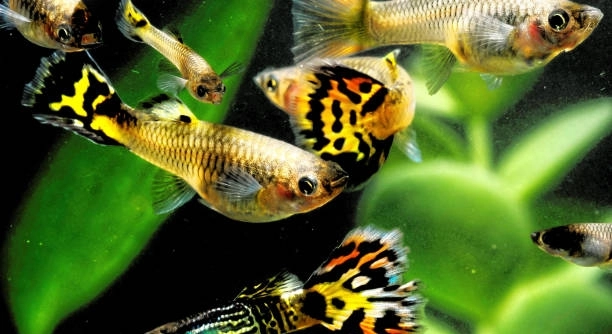
If you have guppies in your tank, you may have noticed that they shake their bodies from time to time. This behavior can be concerning, especially when it happens frequently. Understanding the causes of this shaking can help ensure the well-being of your fish.
The shaking of guppies can result from various factors, such as stress, water quality issues, or health problems like parasites. It is essential to assess their environment and behavior to identify the cause and prevent further complications.
Addressing the underlying issue can improve your guppies’ overall health and comfort in their environment. Learning more about these causes will help you create a better habitat for them.
Stress in Guppies
Guppies are highly sensitive to stress, which can lead to shaking. Factors like sudden changes in water temperature, overcrowding, or loud noises can cause your guppies to feel threatened. When stressed, they might swim erratically, exhibit unusual body movements, or shake. These stress triggers can affect their overall health, weakening their immune system and making them more vulnerable to diseases. The presence of aggressive tank mates, changes in lighting, or frequent handling can also cause anxiety in your guppies.
Creating a calm environment for your fish is essential. You should avoid sudden changes in the tank’s setup, like changing the water temperature or adding new fish too quickly. Maintaining a consistent environment with minimal disturbances will reduce stress levels. Moreover, ensuring that your guppies have enough space to swim comfortably and are not overcrowded will help prevent stress-induced shaking.
Keep in mind that small adjustments in tank conditions, such as reducing noise and maintaining consistent water parameters, can greatly improve your guppies’ behavior. By paying attention to these factors, you can ensure a stress-free habitat for your fish.
Poor Water Quality
Poor water quality can significantly affect your guppies’ health. When water parameters like pH, ammonia, and nitrite levels are out of balance, it can lead to abnormal behavior, including shaking. Fish can become disoriented or stressed due to poor water conditions, which could make them more susceptible to diseases. Regular water changes and water testing are essential to maintain the health of your tank.
Ensuring the water is clean and free from toxins is vital for your guppies’ well-being. A good filtration system is also necessary to remove harmful substances that can accumulate over time. Keeping a close eye on the water quality and making necessary adjustments can help prevent shaking and other health issues in your guppies.
Parasites
Parasites are a common reason for shaking in guppies. External parasites like ich or internal parasites can cause discomfort, leading to body twitching or shaking. A guppy affected by parasites may also scratch against objects in the tank, which is a sign of irritation.
If you suspect a parasite infestation, it’s crucial to act quickly. Treating your tank with a suitable medication can help eliminate the parasites and prevent further damage to your guppies. Regularly inspecting your fish for signs of parasites can help catch an infestation early, ensuring a quicker recovery.
In addition to treating the water, you may need to quarantine infected guppies. This helps prevent the spread of the parasites to other fish. Keep the quarantine tank clean and ensure the affected fish receive proper care. By maintaining a parasite-free environment, your guppies will have a better chance at recovery and will likely stop shaking once the parasites are eliminated.
Overfeeding
Overfeeding is a common mistake among aquarium owners and can lead to a variety of health issues for guppies, including shaking. Excess food in the tank can cause the water quality to decline, as uneaten food decomposes, leading to toxic conditions that stress your fish.
It’s important to feed your guppies only what they can consume in a few minutes. Overfeeding can also lead to obesity, which may affect their movement and behavior. Monitor your guppies closely and adjust feeding schedules to ensure they aren’t consuming too much. This will also help maintain better water quality.
Feeding a proper amount of food will prevent not only shaking but also other potential health issues like bloating or poor digestion. Keeping your tank clean and ensuring food doesn’t accumulate will promote a healthier environment for your guppies. Regular water changes also help remove excess food particles and keep your fish active and comfortable.
Water Temperature
If the water temperature is too high or low, your guppies may start shaking. Guppies thrive in a temperature range of 72-82°F (22-28°C). Any drastic change can cause stress and erratic behavior. Consistent temperatures are important for their health.
A reliable aquarium heater with a thermometer will help maintain a stable temperature. Avoid placing the tank in areas that experience temperature fluctuations, such as near windows or air vents. Monitoring the water temperature regularly will ensure your guppies are comfortable, reducing the likelihood of shaking.
Tank Conditions
Guppies need clean, well-maintained tanks to stay healthy. Poor water filtration or overcrowding can stress them, causing unusual behavior like shaking. Regular maintenance of the tank and filtration system is essential to keep the water clean and your guppies happy.
When your tank is overcrowded, your guppies may feel trapped or threatened, leading to agitation. A good rule of thumb is to provide at least 1 gallon of water per guppy. This will ensure they have space to swim comfortably and avoid stress that could trigger shaking.
Fish Behavior
Sometimes, shaking may just be normal fish behavior. Guppies, especially males, often shake or “shimmy” when displaying courtship behavior or establishing dominance. This kind of shaking is usually not harmful but can still be a sign of excitement or stress within the tank.
It’s important to observe the context of the shaking. If your guppies are shaking in combination with other unusual signs, such as loss of appetite or lethargy, it could indicate an underlying issue. Otherwise, it may just be a natural part of their behavior, especially in breeding season.
FAQ
Why are my guppies shaking their bodies?
Shaking in guppies can result from several factors, including stress, poor water quality, parasites, or even normal fish behavior like courtship. If your guppies are shaking and displaying other signs like loss of appetite or unusual swimming, it’s important to check their environment and health. Pay attention to the water temperature, filtration system, and any potential sources of stress, such as overcrowding or aggressive tank mates.
How do I know if my guppy is stressed?
Stressed guppies often display erratic behavior, such as shaking, hiding, or darting around the tank. They may also lose their appetite, swim at the water’s surface, or appear lethargic. Poor water quality, overcrowding, and sudden changes in the environment are common stressors. If your guppy exhibits these signs, it’s essential to address potential causes of stress in the tank.
Can poor water quality cause shaking in guppies?
Yes, poor water quality is a common cause of shaking in guppies. Ammonia, nitrite, or nitrate levels that are too high can stress your fish and affect their behavior. Inadequate filtration or infrequent water changes can lead to these imbalances, causing agitation and shaking. Regular water testing and proper filtration are crucial to maintaining a healthy tank environment.
What should I do if my guppies are shaking?
If your guppies are shaking, start by checking the water quality. Test for ammonia, nitrites, nitrates, pH, and temperature to ensure they’re within the appropriate range for guppies. Perform a water change if needed and consider adding a water conditioner to improve water quality. If parasites are suspected, treat the tank with a suitable medication. Ensure your tank isn’t overcrowded, and remove any sources of stress, such as aggressive fish or excessive noise.
Can shaking be a sign of illness in guppies?
Yes, shaking can be a sign of illness. External parasites like ich or skin flukes can irritate the fish’s skin, causing them to shake. Internal parasites can lead to lethargy and shaking. If your guppies are shaking along with other symptoms, such as clamped fins, weight loss, or abnormal swimming, it’s important to investigate further and possibly treat the tank with appropriate medications.
Is shaking in guppies normal during courtship?
Yes, shaking can be a normal behavior, especially during courtship. Male guppies often perform a shaking or shimmying movement to attract females. This behavior is usually not harmful and is part of their natural mating ritual. If shaking occurs during breeding times, it’s likely a sign of mating behavior rather than illness or stress.
Can guppies shake due to temperature fluctuations?
Yes, rapid temperature changes can cause guppies to shake. Guppies are sensitive to temperature fluctuations, and even small changes in water temperature can stress them out. It’s important to maintain a stable water temperature between 72-82°F (22-28°C) for optimal health. A quality heater and thermometer can help regulate the temperature and prevent stress from temperature fluctuations.
How can I reduce stress for my guppies?
To reduce stress for your guppies, ensure the tank is appropriately sized for the number of fish. Avoid overcrowding, as this can cause competition for space and food. Maintain good water quality by performing regular water changes, using a reliable filtration system, and monitoring water parameters. Limit sudden changes in the tank, such as adding new fish or altering the water temperature, as these can contribute to stress.
Can overfeeding cause my guppies to shake?
Yes, overfeeding can lead to poor water quality and affect your guppies’ behavior. Excess food decomposes in the water, leading to ammonia buildup and other harmful chemicals. This can cause stress, leading to shaking and other health issues. To prevent overfeeding, offer only small amounts of food that your guppies can consume in a few minutes, and remove any uneaten food.
What are the signs of parasites in guppies?
Signs of parasites in guppies include shaking, rubbing against objects, clamped fins, and a loss of appetite. You might also notice visible signs like white spots (ich), redness, or abnormal swimming behavior. If you suspect a parasite infestation, it’s crucial to treat the tank with an appropriate medication and quarantine infected fish to prevent spreading. Regularly check your fish for any abnormal behavior or physical signs of parasites.
Final Thoughts
Shaking in guppies can be caused by various factors, from water quality issues to stress or illness. It’s important to monitor their environment closely, especially their water conditions, to ensure they remain healthy. When guppies show signs of shaking, it’s a signal that something might be wrong in the tank. By identifying the root cause, you can address the issue and provide a better environment for your fish.
The most common causes of shaking are poor water quality, parasites, and temperature fluctuations. Overfeeding and overcrowding can also contribute to stress, which may lead to shaking. Regular water changes, proper filtration, and maintaining a stable temperature are key to preventing stress-related behaviors. If parasites are suspected, timely treatment is essential to stop the spread and ensure your fish recover.
Ultimately, the health of your guppies depends on regular tank maintenance and careful observation. Keeping their environment clean, avoiding overfeeding, and addressing any issues promptly can help prevent shaking and other related behaviors. By being proactive in their care, you can create a safe, comfortable space for your guppies to thrive.

Hello,
If you enjoy the content that we create, please consider saying a "Thank You!" by leaving a tip.
Every little bit helps us continue crafting quality advice that supports the health, happiness, and well-being of pets around the world, for pets of all shapes, sizes, and species.
We really appreciate the kindness and support that you show us!