
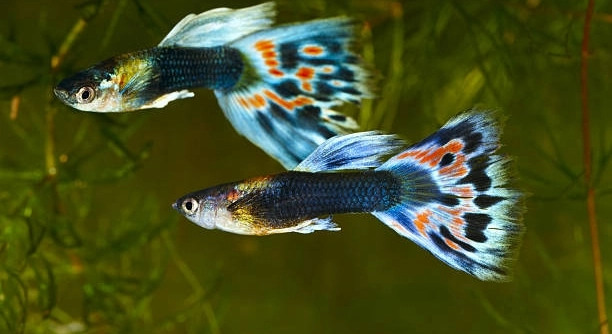
Guppy fry are delicate creatures, and their activity level can be influenced by many factors. When your fry are less active than expected, it’s important to address potential issues to ensure their well-being and growth.
Several factors may contribute to a lack of activity in guppy fry. Poor water quality, insufficient food, incorrect water temperature, and stress can all cause them to become lethargic. Identifying and correcting these factors will help improve their health and activity.
By understanding the causes of inactivity, you can create a better environment for your guppy fry. This will help them grow stronger and more active as they mature.
Water Quality Issues
Poor water quality is one of the most common reasons guppy fry may appear inactive. Guppy fry are sensitive to changes in their environment, and poor water conditions can stress them out. Ammonia, nitrite, and nitrate levels must be kept in check. A high level of these substances can affect their health and cause lethargy. Frequent water changes and proper filtration are key to maintaining clean, healthy water for your fry.
Water temperature is also an important factor. Guppy fry thrive in water temperatures between 75°F and 80°F (24°C to 27°C). If the water is too cold or too warm, it can reduce their activity levels. Monitoring both temperature and water quality regularly will help ensure they remain active and healthy.
Regularly testing the water for harmful chemicals and adjusting your tank’s filtration system can keep the water clean. Consider using a water conditioner to eliminate toxins and maintain ideal conditions. Ensuring the environment is safe and comfortable will help your guppy fry thrive.
Inadequate Diet
A lack of proper nutrition can lead to low energy in guppy fry. If they aren’t getting the right amount of food or nutrients, they may not grow as quickly or stay active. Feed them a balanced diet that includes specially designed fry food, which is rich in nutrients that promote growth and activity.
Inadequate food intake, especially if they’re not eating enough protein, can lead to lethargy. Make sure you’re offering them small, frequent feedings to keep their energy levels up. Be sure to remove any uneaten food to avoid water contamination.
Stress from Tank Mates
If your guppy fry are housed with aggressive or larger fish, they may be stressed, leading to inactivity. Fry are very vulnerable, and bullying or overcrowding can prevent them from moving around freely. Ensure they have plenty of space and are not competing for food or hiding from more dominant fish.
Overcrowding also affects water quality, which can compound the problem. Separate the fry from aggressive tank mates and provide hiding spots like plants or decorations. A safe environment will help them feel secure, reducing stress and encouraging more active behavior. Monitor their interactions closely to ensure everyone is getting along.
Proper tank management can make a big difference. Providing enough space and creating a peaceful environment will help your fry grow and stay active. It’s important to monitor their behavior, making adjustments as needed, so they thrive in their habitat.
Poor Water Temperature
Guppy fry are sensitive to temperature changes, and if the water is too cold or too hot, they may not be as active. Ideal water temperature for guppy fry is between 75°F and 80°F (24°C to 27°C). Any fluctuation outside this range can cause them to become lethargic.
Cold water slows down their metabolism, making it harder for them to grow and stay active. On the other hand, too warm water can lead to poor oxygen levels and stress. Using a reliable heater and thermometer can help maintain a stable temperature, ensuring the fry stay healthy and energetic.
Overfeeding or Underfeeding
Overfeeding can lead to water contamination and poor water quality, which directly affects your guppy fry’s activity levels. On the other hand, underfeeding leads to a lack of essential nutrients, which can also cause lethargy. Proper portion control is important.
It’s best to feed your fry small amounts several times a day, removing any uneaten food. This helps prevent water pollution and ensures they get the nutrition they need without excess waste. Monitoring their feeding habits can ensure they stay active and healthy while avoiding the negative effects of both overfeeding and underfeeding.
Water pH Levels
Water pH levels can affect your guppy fry’s behavior and overall health. If the pH is too high or too low, they may become stressed and inactive. Guppies thrive in a pH range of 7.0 to 8.5, and it’s important to maintain it within this range for optimal health.
Test the water regularly and adjust the pH if needed using products designed for aquarium use. Keeping the pH level stable and within the appropriate range helps maintain a healthy, active environment for your fry to grow and thrive.
Lack of Space
Guppy fry need space to swim and explore. If the tank is overcrowded, it can restrict their movement and lead to reduced activity. The fry may become stressed, making them less likely to move around.
To keep them active, ensure there’s enough room for the fry to swim freely. Consider separating the fry into smaller tanks if needed. A spacious, clean environment allows for better growth and healthier activity levels.
FAQ
Why is my guppy fry not eating?
There are several reasons your guppy fry might not be eating. First, check if the water temperature is appropriate, as too cold or too warm water can make them less active and cause them to refuse food. Another common issue could be the type of food you are offering. Make sure it is suitable for fry, as adult food may be too large or not soft enough for them to consume. Also, consider if they are being outcompeted by other fish for food, which can cause stress and prevent them from eating. Lastly, if they are sick, they may lose their appetite, so be sure to monitor their health closely.
How can I tell if my guppy fry are stressed?
Stressed guppy fry may display behaviors like hiding, swimming erratically, or staying in one corner of the tank. They might also appear lethargic, showing little interest in swimming or eating. Stress can be caused by overcrowding, poor water quality, unsuitable tank mates, or abrupt changes in their environment, such as sudden temperature fluctuations. Regularly monitoring the water quality and providing enough space and hiding spots can help reduce stress levels.
Can I keep my guppy fry in the same tank as adult guppies?
It is not ideal to keep guppy fry in the same tank as adult guppies unless the tank is large enough to provide sufficient space for both. Adult guppies may unintentionally bully or even eat the fry. If you have no choice, create safe spaces within the tank, like dense plants or decorations, where the fry can hide. Separating the fry in a breeding box or a separate tank can give them a safer environment to grow without being threatened by adult fish.
How often should I feed my guppy fry?
Guppy fry should be fed small amounts of food 3-4 times a day. Feeding small portions ensures they eat the right amount and prevents water pollution from leftover food. Be careful not to overfeed, as excess food can contaminate the water and create an unhealthy environment for your fry. As they grow, you can gradually increase the size of their feedings while still offering small, frequent meals.
Why are my guppy fry swimming upside down?
If your guppy fry are swimming upside down, it could be a sign of swim bladder issues, which can occur due to poor water quality, stress, or overfeeding. Swim bladder disease affects their ability to control buoyancy, making it hard for them to swim normally. Make sure the water conditions are stable, and avoid overfeeding, which can lead to digestive problems. If the issue persists, consider separating the affected fry and consulting an expert for further guidance.
How do I improve the water quality for my guppy fry?
To improve water quality for your guppy fry, start by performing regular water changes (about 25-30% every week). Use a good filtration system to keep the water clean, and ensure that ammonia, nitrite, and nitrate levels are at safe levels. You can test the water regularly using a water test kit to ensure the parameters are ideal for your fry. Adding live plants can also help naturally filter the water and provide hiding places for the fry.
Can I use a filter in the fry tank?
Yes, you can use a filter in the fry tank, but it’s important to use one that won’t suck up the small fry. A sponge filter is a good option for fry tanks as it provides gentle filtration without disturbing the water too much. Keep the filter’s flow rate low to prevent the fry from being pulled into it. Make sure to clean the filter regularly to prevent any buildup of waste, which could affect water quality.
How long does it take for guppy fry to become active?
Guppy fry typically start to become more active within a few days to a week after birth. However, it’s important to provide optimal conditions for their growth. Factors such as water quality, temperature, and diet all play a role in how quickly they develop. Fry that are well-cared for in a stable environment will grow faster and be more energetic than those that face poor conditions. Keep an eye on their behavior and ensure they have enough space to swim and explore.
Why are my guppy fry dying?
Guppy fry may die for several reasons, including poor water quality, inadequate temperature, improper diet, or stress from overcrowding. Make sure the water conditions are optimal and that the fry are not exposed to harmful toxins. Another potential cause could be genetic issues, especially if the parents were weak or unhealthy. Make sure you’re feeding them the right type of food and at the proper intervals, and avoid overfeeding, which can lead to water pollution. If you’re consistently losing fry, consider adjusting the tank environment or seeking expert advice.
What should I do if my guppy fry look pale?
If your guppy fry are looking pale, it could indicate stress or poor health. Check the water quality to ensure there are no harmful chemicals or toxins present. Also, look for any signs of disease or parasitic infections. Sometimes, poor nutrition can cause a lack of color, so make sure you’re providing the right type of food that’s rich in vitamins and nutrients. If the problem persists, you may need to adjust the tank environment or consult a vet for advice on treating any potential illnesses.
How can I encourage my guppy fry to grow faster?
To encourage your guppy fry to grow faster, provide a high-quality, protein-rich diet that’s designed specifically for fry. Small, frequent feedings will help them get the necessary nutrients without overfeeding. Keep the water temperature consistent and within the recommended range (75°F to 80°F). Regular water changes and a clean tank will also help them thrive and grow quickly. Reducing stress and providing plenty of space for swimming and exploring are essential for their healthy development.
Final Thoughts
Understanding why your guppy fry may not be active involves looking at several factors, from water quality to feeding practices. It’s essential to ensure the tank environment is suitable, with stable water temperature, proper pH levels, and clean water. Poor water conditions can directly affect the fry’s behavior, making them less active. Regular water changes and maintaining proper filtration are necessary to prevent toxins from building up. By focusing on creating the ideal environment for your guppy fry, you can encourage them to grow and develop properly.
Another critical factor is nutrition. Guppy fry require the right type of food to stay healthy and active. Make sure to feed them small, frequent meals that are suitable for their size and developmental stage. Overfeeding or underfeeding can both lead to issues like lethargy, poor growth, and even health problems. It’s also essential to monitor the fry to ensure they’re eating enough and not being outcompeted by other fish. A balanced diet with the right nutrients will ensure the fry are active and growing at a healthy rate.
Lastly, be mindful of stress factors in the tank. Overcrowding, unsuitable tank mates, or lack of space can cause stress, which leads to inactivity in your fry. Providing hiding spots or creating safe spaces in the tank can help reduce stress and allow the fry to explore more freely. Keeping the tank conditions stable and providing a stress-free environment are key to ensuring your guppy fry stay active and healthy. By focusing on these areas, you’ll be on the right path to raising active, healthy guppy fry.

Hello,
If you enjoy the content that we create, please consider saying a "Thank You!" by leaving a tip.
Every little bit helps us continue crafting quality advice that supports the health, happiness, and well-being of pets around the world, for pets of all shapes, sizes, and species.
We really appreciate the kindness and support that you show us!