
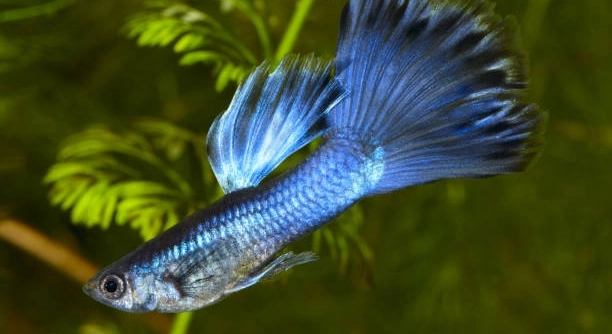
Are your guppies turning their noses up at their food? It’s a common issue among aquarium owners, but understanding why can help you get your little fish back on track with feeding.
Guppies may avoid food for several reasons, such as water quality issues, stress, or an unsuitable diet. Identifying the underlying cause can help restore healthy eating habits and prevent further complications, ensuring the well-being of your guppies.
These factors can be corrected with some attention to detail, making sure your guppies are happy and well-fed. Let’s explore the common causes and solutions for this problem.
Water Quality Issues
If your guppies are avoiding food, poor water quality might be the problem. Fish are sensitive to changes in their environment, and when the water is dirty or not balanced, they may lose their appetite. High levels of ammonia, nitrites, or nitrates in the water can stress your guppies, causing them to avoid eating.
To improve the water quality, start by testing the water for ammonia, nitrites, and nitrates. Regular water changes, proper filtration, and avoiding overfeeding will help keep the tank clean. It’s also important to monitor the water temperature, as extreme fluctuations can stress your guppies.
A clean, stable environment helps your guppies feel secure and encourages them to eat regularly. If the water conditions are ideal, your fish should return to their normal feeding habits. Just make sure to keep a consistent cleaning schedule to maintain the right water quality.
Stress from Tankmates
Stress from aggressive tankmates can also make your guppies avoid food. If there are fish that are constantly chasing or nipping at them, they may become too stressed to eat.
Adding peaceful species to the tank and ensuring that there is enough space for all the fish can help reduce stress.
Overfeeding or Undernourishment
If you’re overfeeding your guppies, the excess food can pollute the water and make them avoid eating. Too much uneaten food in the tank can lead to a decline in water quality, stressing out the fish. On the flip side, underfeeding can leave them hungry but too weak to eat properly.
To avoid overfeeding, feed your guppies small amounts of food twice a day, only what they can consume in a few minutes. If you’re underfeeding, try offering more variety in their diet, like high-quality pellets or frozen foods. Balance is key.
An imbalanced diet can also result in your guppies not eating. If you’re feeding the same food every day, they might get bored. Mix things up with flakes, pellets, and occasional treats like brine shrimp or daphnia. Offering a variety will keep them interested in eating.
Water Temperature
Guppies are sensitive to water temperature changes. If the water is too cold or too hot, they may become lethargic and lose their appetite. Ideal water temperature for guppies is between 75°F and 82°F (24°C to 28°C). Anything outside this range can cause stress.
Use a reliable aquarium heater to keep the water temperature consistent. If you live in a particularly cold or hot climate, ensure that the heater can handle fluctuations. Keep an eye on temperature changes, especially if you notice your guppies avoiding food. Even minor temperature shifts can cause them to stop eating.
Illness or Injury
When guppies are feeling unwell or have an injury, they may not eat. Common signs of illness include faded colors, abnormal swimming patterns, or visible sores. Any of these symptoms can cause them to stop eating as they focus on healing.
If you notice any signs of illness, quarantine the affected guppy to avoid spreading it to others. You may also want to adjust the water conditions to help with recovery. Providing medicated food or water treatments can assist in getting your guppy back to health and restoring its appetite.
Diet Incompatibility
Guppies may avoid food if it doesn’t meet their dietary needs. If you’re feeding them food they don’t like or that isn’t suited for their nutrition, they won’t eat. Make sure to offer food specifically formulated for guppies, ensuring it contains the necessary vitamins and minerals.
Switching up their food occasionally can also make a difference. For example, some guppies prefer freeze-dried bloodworms or brine shrimp over standard flakes. Experimenting with different foods can help find what excites your guppies.
FAQ
Why aren’t my guppies eating even though the water quality is fine?
If your guppies aren’t eating despite good water quality, there may be other factors at play, such as stress from aggressive tankmates, a change in water temperature, or an issue with their diet. Guppies can also stop eating if they’re ill or injured, so keep an eye out for any physical signs of health problems. If you’ve recently added new fish, it’s possible that the new introductions are causing stress, even if the water itself is clean.
How can I tell if my guppy is sick?
Sick guppies often display visible signs, such as faded or dull colors, clamped fins, abnormal swimming, or staying at the bottom of the tank. You might also notice physical signs like white spots, sores, or swelling. If your guppy shows any of these symptoms, it’s a good idea to isolate it and check the water quality again. Addressing any illness early is key to preventing it from spreading to other fish.
Can stress cause my guppies to stop eating?
Yes, stress is a major factor. Guppies are sensitive to changes in their environment, and if they’re feeling threatened by aggressive tankmates, overcrowding, or sudden changes in water temperature, they may stop eating. Adding peaceful fish and ensuring your tank is properly set up can help reduce stress and restore your guppies’ appetite.
How do I properly feed my guppies to avoid overfeeding?
Overfeeding can lead to poor water quality and stress, causing your guppies to avoid food. A good rule of thumb is to feed only what they can consume in 2-3 minutes, twice a day. This ensures they get enough food without excess leftovers that can pollute the tank. You should also remove any uneaten food after feeding to prevent it from decomposing.
Can water temperature affect my guppies’ appetite?
Yes, guppies are very sensitive to water temperature. If the water is too cold or too hot, they can become lethargic and lose their appetite. The ideal range for guppy water temperature is 75°F to 82°F (24°C to 28°C). If the water is outside this range, your guppies may stop eating until the temperature is adjusted.
How can I improve my guppies’ diet?
To keep your guppies eating well, offer a varied diet that includes high-quality flakes, pellets, and occasional treats like freeze-dried bloodworms, brine shrimp, or daphnia. This will keep them interested in eating and ensure they receive the necessary nutrients. It’s also helpful to feed them small amounts several times a day rather than one large feeding.
Can new tank mates cause guppies to stop eating?
Introducing new fish into your tank can cause stress, especially if the new tankmates are more aggressive or take up a lot of space. Guppies can be territorial, and if they feel threatened, they may stop eating. It’s important to ensure that any new fish are compatible with guppies and that your tank provides enough space for everyone.
Is it normal for guppies to stop eating when pregnant?
Yes, it is normal for female guppies to eat less when they are pregnant. The process of carrying eggs or fry can stress them out, causing a temporary loss of appetite. However, if the pregnancy lasts too long or your guppy refuses food for several days, it could indicate a problem, and you may need to monitor her more closely.
How do I know if my guppy is underfed?
Underfed guppies may appear thin, with a visible ribcage or gaunt body. They might also exhibit signs of lethargy or sluggish behavior. To ensure your guppy is properly fed, make sure to provide them with enough food that they can consume within a few minutes. Also, try offering different food types to see what they prefer.
Can poor lighting affect my guppies’ feeding habits?
Yes, poor lighting can influence your guppies’ feeding habits. If the tank is too dim or they can’t easily see the food, they may become reluctant to eat. Make sure your tank has proper lighting to help your guppies find their food and feel comfortable during feeding time. Also, be mindful of not keeping the light on too long, as it can stress them out.
Is it possible for guppies to be too picky with food?
Guppies can sometimes be picky eaters, especially if they have been exposed to a varied diet or if they are not fond of the food provided. If they are consistently refusing food, it could be that the food you’re offering doesn’t meet their taste preferences. Try offering a different variety or a combination of flakes, pellets, and live or frozen food to see what they prefer.
What can I do if my guppy refuses food for days?
If your guppy refuses food for more than a couple of days, it’s time to investigate further. Check the water quality again, monitor the tankmates for any aggression, and make sure the water temperature is stable. If there’s no improvement, it’s worth checking for signs of illness and isolating the guppy if necessary. A prolonged lack of appetite can be a sign of a health issue that needs immediate attention.
Final Thoughts
Understanding why your guppies may be avoiding food is important for keeping them healthy and happy. There are many possible reasons, including poor water quality, stress, illness, or simply being too picky with food. It’s essential to observe your guppies carefully and assess the environment around them to pinpoint the cause. Once you know what’s affecting them, you can take the necessary steps to correct the issue, whether that’s improving water conditions, adjusting the temperature, or introducing a more balanced diet.
Making sure the tank conditions are just right is a crucial step in getting your guppies back to eating regularly. Water quality plays a large role, so maintaining a clean tank, testing for ammonia or nitrate buildup, and performing regular water changes are important practices. Don’t forget to pay attention to the water temperature, as guppies are sensitive to changes in their environment. A stable and clean environment will encourage your guppies to feel secure enough to eat properly. Keeping a peaceful atmosphere in the tank is just as important, so avoid overcrowding and introducing overly aggressive tankmates.
In addition to the physical environment, the food itself plays a key role in whether your guppies are eating. Offering a varied diet that includes different types of food can keep your guppies interested and provide them with the necessary nutrients. Be sure to feed them in moderation to avoid overfeeding, as uneaten food can pollute the tank and lead to other problems. It’s always important to look at the bigger picture: water quality, tankmates, temperature, and diet all work together to maintain the health of your guppies. By addressing these factors, you can ensure that your guppies stay well-fed and thrive in their environment.

Hello,
If you enjoy the content that we create, please consider saying a "Thank You!" by leaving a tip.
Every little bit helps us continue crafting quality advice that supports the health, happiness, and well-being of pets around the world, for pets of all shapes, sizes, and species.
We really appreciate the kindness and support that you show us!