
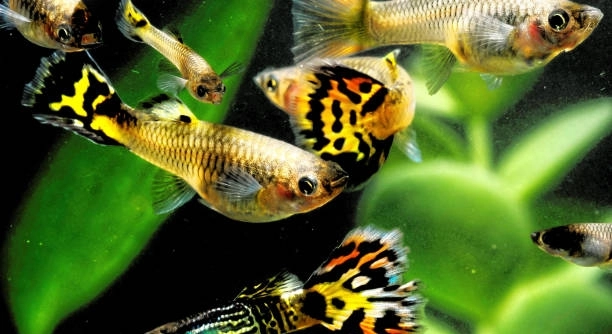
Guppies are beautiful and lively fish, but keeping them healthy requires more than just feeding them. Proper tank maintenance is essential for their well-being and longevity. This simple task ensures a safe and comfortable environment for your guppies.
Regular tank maintenance is crucial for maintaining water quality, reducing toxins, and preventing harmful bacteria buildup. A clean tank promotes healthy guppies, lowers stress, and enhances their color and activity levels, contributing to their overall health.
Understanding tank maintenance can make a significant difference in your guppies’ health and happiness. With a few simple steps, you can ensure a thriving, vibrant aquarium for your little swimmers.
Proper Filtration Keeps the Water Clean
Water quality plays a big role in the health of your guppies. The right filtration system helps keep the water clear, removes waste, and prevents harmful toxins from building up. Without proper filtration, the water can quickly become dirty, leading to stress or disease in your fish. Clean water also promotes a more vibrant environment, allowing guppies to swim freely and live longer. For this reason, it’s important to have a filter that suits the size of your tank. Regularly check your filter to make sure it’s functioning properly.
A filter helps circulate the water, providing your guppies with a consistent flow of oxygen. It also aids in removing uneaten food, fish waste, and other debris that can pollute the water.
Maintaining your filter involves rinsing it in tank water every few weeks, replacing filter media as needed, and ensuring it’s working efficiently. If the filter is clogged, the water may not circulate correctly, which can lead to poor oxygen levels and buildup of toxins. Keeping the filter clean and functioning will improve water quality and reduce the need for frequent water changes.
Regular Water Changes Are Essential
Water changes are a key part of tank maintenance. Over time, fish waste, uneaten food, and other particles build up in the water, which affects the health of your guppies. Performing regular water changes helps keep the tank clean and your fish healthy.
Changing 10-20% of the water every week or two is a good practice for guppy tanks. This helps reduce harmful substances like ammonia and nitrate, which can build up to dangerous levels. Make sure the new water is treated and at the right temperature.
When changing the water, use a siphon to remove debris from the substrate. Be careful not to disrupt the beneficial bacteria that help break down waste in the tank. Always monitor your guppies after a water change to ensure they’re adjusting well to the new conditions. Regular water changes also help keep the tank looking clear and your fish active.
Preventing Overfeeding
Overfeeding is one of the most common mistakes when keeping guppies. Excess food can pollute the tank, raising the risk of water quality problems. Uneaten food breaks down and adds toxins to the water, which can harm your fish. To avoid overfeeding, only give your guppies what they can eat in 2-3 minutes.
It’s easy to assume your guppies need more food because they appear hungry, but they can survive on a small, controlled amount. Feed them twice a day, and monitor how much food they consume. If there’s food leftover, reduce the amount for the next feeding.
Additionally, be mindful of the type of food you’re offering. Offer a variety of high-quality flakes, pellets, and occasional live or frozen foods. Too much of one type of food can cause an imbalance in their diet, potentially affecting their health. By feeding in moderation, you’ll help maintain water quality and support your guppies’ well-being.
Proper Tank Decorations
Tank decorations not only enhance the look of your aquarium but also provide guppies with places to hide and explore. This helps reduce stress by giving them some privacy and a more natural environment. However, it’s important to ensure decorations are safe and clean.
Plastic decorations with sharp edges can damage your guppies’ delicate fins. Opt for smooth, aquarium-safe materials like silk plants or properly crafted rocks. Natural-looking decorations like live plants can help improve water quality by absorbing excess nutrients and providing oxygen. They also encourage natural behaviors, like hiding or exploring.
Make sure to clean your decorations during water changes, as they can accumulate algae and waste. This helps prevent the growth of harmful bacteria that can impact water quality. By choosing safe, easy-to-maintain decorations, you’ll create a beautiful, healthy environment for your guppies.
Monitoring Water Temperature
Maintaining the right water temperature is crucial for guppy health. Guppies thrive in water between 72°F and 78°F. If the temperature fluctuates too much, it can stress your fish or even cause illness. Use a reliable heater and thermometer to keep things stable.
Extreme temperature changes can weaken their immune systems, making them more vulnerable to diseases. To keep your guppies comfortable, avoid placing the tank in direct sunlight or near drafts. Keeping the water temperature steady will help maintain their activity levels and improve their overall well-being.
Regular Tank Maintenance Schedule
Setting a maintenance schedule for your tank can prevent major issues down the line. Perform regular checks on water quality, filter function, and the health of your guppies. This ensures that problems are caught early before they affect the entire tank.
A consistent routine also makes cleaning the tank and monitoring your guppies much easier. By staying on top of the small tasks, you avoid larger, more complicated problems. Keeping a checklist can be a helpful way to stay organized and keep your tank in great shape.
Avoiding Aggressive Tankmates
Choosing the right tankmates is important for keeping your guppies stress-free. Guppies are peaceful and social but can be bullied by more aggressive fish. Select compatible species that won’t harm your guppies or invade their space.
Fish like tetras or snails can be good companions, but be mindful of the temperament of each species. Aggressive behavior, especially in small spaces, can lead to stress, illness, or injury. Keeping guppies with peaceful species ensures they remain happy and healthy.
FAQ
How often should I clean my guppy tank?
Cleaning your guppy tank should be done regularly to maintain water quality. Aim to clean the tank every 1-2 weeks, depending on the size of the tank and the number of fish. During this time, replace about 10-20% of the water and remove any debris or waste. You should also rinse the filter and clean the decorations if needed. However, avoid cleaning the entire tank at once as it can disturb the delicate balance of beneficial bacteria.
What temperature should the water be for guppies?
Guppies prefer a water temperature between 72°F and 78°F (22°C to 26°C). Keeping the temperature stable within this range helps to reduce stress and promote healthy growth. A good aquarium heater and thermometer will help maintain the right temperature. Avoid placing the tank in areas with temperature fluctuations, such as near windows, air conditioners, or heaters.
Can guppies live without a filter?
While guppies can technically survive without a filter for short periods, it’s not recommended. A filter helps to remove toxins, debris, and excess food from the water, which keeps the tank clean and healthy. Without a filter, you will need to perform more frequent water changes to maintain water quality. A filter also provides water circulation, which is important for guppies to thrive.
How much should I feed my guppies?
Guppies should be fed small amounts of food 2-3 times a day. Only give them what they can consume in about 2-3 minutes to avoid overfeeding. Overfeeding can lead to poor water quality and health problems, as uneaten food breaks down in the tank. Adjust the amount based on their activity levels and appetite, and be mindful of leftover food.
Can guppies live with other fish?
Yes, guppies can live with other fish, but it’s important to choose tankmates that are peaceful and not too large or aggressive. Suitable companions include species like neon tetras, snails, and shrimp. Avoid pairing them with larger, territorial fish that might nip at their fins or outcompete them for food. Always consider the temperament and size of potential tankmates.
What is the best tank size for guppies?
The minimum tank size for guppies is generally 10 gallons for a small group. A larger tank allows more space for swimming and reduces the risk of overloading the tank with waste. Guppies are active swimmers, so providing them with ample space is important for their well-being. If you plan to keep multiple guppies or other fish, consider a larger tank to avoid overcrowding.
How can I tell if my guppy is healthy?
Healthy guppies are active, have bright and vibrant colors, and swim confidently. They should have clear eyes and smooth, intact fins. A healthy guppy will also be social and enjoy interacting with its tankmates. If your guppy appears sluggish, loses color, or has clamped fins, it may be sick and require attention. Keep an eye out for abnormal swimming patterns or visible spots or lesions on the body, which could indicate illness.
What should I do if my guppy is sick?
If your guppy appears sick, first check the water quality. Make sure the temperature, pH, and ammonia levels are within the safe range. Sick fish may benefit from a separate quarantine tank where they can rest and recover without stress from other fish. Depending on the illness, you may need to treat the water with specific medications or consult a vet for advice. Always act quickly, as some diseases can spread quickly in aquariums.
How do I breed guppies?
Breeding guppies is relatively simple, as they are livebearers. To breed guppies, place one male and one female in a separate breeding tank, or allow them to breed in a community tank. After mating, the female will carry the fertilized eggs in her belly until they hatch. The gestation period typically lasts 21-30 days, after which the female will give birth to live fry. Once the fry are born, remove the adults to avoid them eating the babies. Provide the fry with fine food such as baby brine shrimp and small fish flakes.
How can I prevent my guppy from jumping out of the tank?
Guppies are known to be jumpy, especially if they feel stressed or threatened. To prevent them from jumping out, make sure your tank has a secure lid or cover. You can also adjust the water level so it’s not too close to the edge. Additionally, reduce any sudden movements around the tank or loud noises that might cause stress. A calm environment will keep your guppies more at ease.
Can guppies live with plants in their tank?
Yes, guppies thrive in tanks with plants. Live plants not only improve water quality by absorbing nitrates, but they also provide hiding spots for your guppies to reduce stress. Plants also encourage natural behaviors, such as swimming through foliage or nibbling on plant matter. Be sure to choose hardy plants that can survive in the same water conditions as guppies.
How do I clean my filter?
To clean your filter, remove it from the tank and rinse it in tank water, not tap water. Rinsing in tap water can kill the beneficial bacteria that help break down waste. Gently clean the filter media (sponges or cartridges) by swirling them in the tank water to remove dirt and debris. Replace filter media as needed, but be sure to keep some of the old media to preserve bacteria.
Why is my guppy losing color?
Guppies can lose color due to various factors, such as poor water quality, stress, illness, or improper diet. Check the water parameters, including ammonia, nitrite, nitrate levels, and temperature. Stress from overcrowding, aggressive tankmates, or an unbalanced diet can also cause color loss. Providing a well-maintained tank and a varied, nutritious diet will help your guppy regain its vibrant colors.
How can I prevent algae growth in my tank?
Algae thrive in aquariums with excess nutrients, particularly from uneaten food and fish waste. To reduce algae growth, perform regular water changes and avoid overfeeding. Keep the tank in an area with indirect sunlight and use a good filter to remove excess nutrients. Adding algae-eating fish or snails can also help control algae growth.
Do guppies need a lot of light?
Guppies don’t require intense lighting, but they do need a consistent light cycle. Aim for 10-12 hours of light per day to mimic their natural day-night rhythm. This can be achieved with an aquarium light on a timer. Too much light can encourage algae growth, so it’s best to avoid leaving the tank light on 24/7.
Can guppies live without aeration?
Guppies don’t necessarily need an aerator if the water is properly filtered and oxygenated. However, if you have a heavily stocked tank or want to ensure good oxygen flow, adding an aerator can be beneficial. Ensure your filter provides adequate water movement to keep oxygen levels up.
Final Thoughts
Taking care of guppies may seem like a lot of work, but it’s really about creating a safe and healthy environment for them to thrive. By staying on top of basic tasks like water changes, feeding, and checking the water quality, your guppies will live happy and healthy lives. They’re not demanding creatures, but they do need the right balance of care to stay vibrant and active. A little effort each week can go a long way in making sure your guppies enjoy their time in the tank.
Proper tank maintenance is a key part of guppy care. Without a clean tank and stable water conditions, guppies can easily become stressed or sick. It’s not just about cleaning the tank, but about maintaining a good routine that includes regular water changes, checking the filter, and observing your fish for any signs of illness. The more attention you give to these details, the healthier your guppies will be. Keeping a schedule for these tasks will make the process easier and prevent problems before they happen.
Lastly, remember that guppies are social creatures, and they thrive in a peaceful, well-maintained tank. The addition of decorations, live plants, and compatible tankmates can enhance their environment and keep them active. Keep an eye on their behavior and the conditions of the tank, and you’ll notice how small adjustments can make a big difference. The more you learn about guppy care, the more rewarding it becomes to watch them grow and interact in their little aquatic world.

Hello,
If you enjoy the content that we create, please consider saying a "Thank You!" by leaving a tip.
Every little bit helps us continue crafting quality advice that supports the health, happiness, and well-being of pets around the world, for pets of all shapes, sizes, and species.
We really appreciate the kindness and support that you show us!