
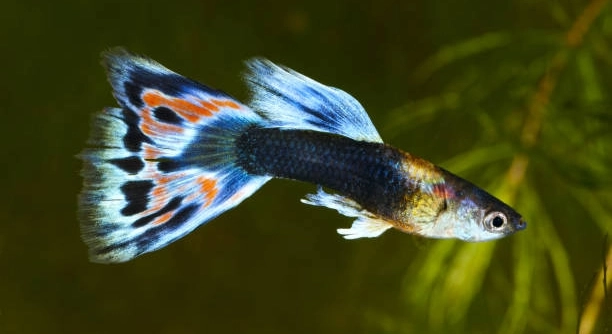
Are your guppies spending most of their time near the surface of the tank, making you wonder if something is wrong?
Guppies commonly gather at the surface due to low oxygen levels in the water, poor water quality, high temperatures, or illness. Observing this behavior may indicate the need for immediate changes to their environment.
Understanding why this happens can help you take better care of your guppies and avoid potential health problems in the future.
Low Oxygen Levels in the Tank
When guppies gather at the surface, one of the most common reasons is low oxygen in the water. Fish rely on dissolved oxygen to breathe, and when levels drop, the surface becomes their best option. This is because oxygen from the air enters the water more easily at the top. Factors like high water temperature, overcrowding, or poor water movement can all reduce oxygen. If your tank lacks an air pump or filter with surface agitation, oxygen won’t circulate well. Checking your setup and making small adjustments can quickly help your guppies feel better. Adding a bubbler, cleaning the filter, or performing partial water changes may improve the oxygen balance. Even plants in the tank can help during the day by releasing oxygen. Regular maintenance and monitoring go a long way in keeping your tank healthy. If you catch this early, your guppies will likely bounce back without further issues.
This behavior might look harmless at first but often shows something is off in their environment.
In some cases, low oxygen might not be the only issue. It’s important to consider other signs like sluggish movement, gasping, or staying near the filter. These clues help confirm if oxygen is truly the problem or part of a bigger concern.
Poor Water Quality
Guppies are sensitive to changes in water conditions, especially when it becomes dirty or toxic.
When ammonia, nitrites, or nitrates build up, the water becomes unsafe for your fish. This usually happens when the tank is overcrowded, the filter isn’t working well, or cleaning is skipped. Guppies may start to hover near the surface where the water might feel less harsh. Testing your water weekly is a smart habit. It allows you to catch issues early and adjust before your fish get sick. If your test strips or kits show unsafe levels, a partial water change of 25-50% can often help. Cleaning uneaten food, removing waste, and vacuuming the gravel all contribute to healthier water. Guppies need a stable environment with a balanced pH and low toxin levels. Remember, clear water does not always mean clean water. It’s always worth checking the numbers. Good water quality supports strong immunity and reduces the chance of stress-related behavior in your fish.
High Water Temperature
Warm water holds less oxygen, and guppies often respond by heading to the surface where oxygen exchange happens more easily. If the tank is near a window, heater, or in a warm room, the temperature may rise quickly without you noticing.
Guppies thrive best in water temperatures between 72°F and 82°F. When temperatures go higher, it causes stress and makes it harder for them to breathe. You may notice faster gill movement or lethargy. Using a reliable aquarium thermometer helps you monitor this closely. If the tank gets too hot, unplugging the heater, turning off lights, or adding a fan near the tank may help cool things down. Avoid sudden changes—lower the temperature slowly to prevent shock. High heat doesn’t just affect breathing; it can also mess with the tank’s overall balance and cause harmful bacteria to grow faster. Keeping things stable makes a big difference for your guppies.
A consistent tank temperature helps prevent long-term problems. Fluctuations can make your fish more likely to get sick or develop unusual behaviors. Try placing the tank in a cooler area if overheating is common in your home. Even changing the light schedule can help a bit. Stability keeps things calmer for everyone in the tank.
Disease or Parasites
Sick guppies often hang near the surface when they don’t feel well. It’s easier for them to breathe and stay away from more active fish. This can be an early clue that something’s not right inside their body.
Watch for signs like clamped fins, discoloration, white spots, or scratching against objects in the tank. These can point to conditions like ich, gill flukes, or bacterial infections. If your guppies seem less active, have no appetite, or breathe heavily, it’s best to isolate the sick ones in a separate tank. Use aquarium salt or medications based on what you’re treating. Clean water also supports healing. Avoid using treatments without being sure of the cause—it can make things worse. A small mirror check or flashlight inspection can reveal visible signs on their skin or fins. Staying observant is key to catching illnesses before they spread to other fish.
Guppies are pretty resilient, but they need help when something feels off. Regular health checks help you catch early symptoms and protect the rest of the tank. If the problem keeps coming back, review the tank setup, diet, and cleaning routine. Something small could be throwing off their balance, making them more likely to get sick.
Overcrowding in the Tank
Too many guppies in a small tank can lead to stress, low oxygen, and dirty water. When space is tight, they often swim near the surface to breathe and escape the crowd.
Even if the water looks clean, waste builds up faster in crowded tanks. This can cause more health problems over time.
Poor Water Circulation
Good water flow helps move oxygen around the tank. Without it, the lower areas can become stale, making the surface more attractive to your guppies. Filters with adjustable flow or air stones can help fix this issue. Adding plants and decorations in smart spots also helps prevent dead zones.
Feeding Time Confusion
Sometimes guppies go to the surface simply because they’ve learned that’s where food appears. If they stay there long after feeding, though, it might mean something else is going on.
FAQ
Why are my guppies always at the surface?
Guppies may spend a lot of time near the surface if there’s low oxygen in the water or poor water quality. In some cases, high water temperatures can also make them go to the top for easier breathing. Always check the water conditions, and consider adding more filtration or air stones.
How can I tell if the water temperature is too high for my guppies?
If the water is warmer than 82°F, your guppies may become stressed and head for the surface to get more oxygen. A thermometer can help you monitor this. Sudden temperature changes can also cause issues, so aim for a consistent temperature in the 72°F to 82°F range.
Can overcrowding cause my guppies to swim at the top?
Yes, overcrowding is a major stress factor for guppies. When there are too many fish in a tank, the oxygen levels decrease, and guppies may gather at the surface to breathe. Make sure your tank is the right size for your fish, and consider reducing the number of guppies if the tank feels too crowded.
What can I do to improve water quality for my guppies?
To improve water quality, make sure to clean your tank regularly. Do partial water changes of 25-50% every week or two. Also, test the water for ammonia, nitrites, and nitrates regularly to make sure they’re within safe levels. You can add a quality filter to help keep the water cleaner.
Can high nitrate levels cause my guppies to swim at the surface?
Yes, high nitrate levels can cause stress for guppies, leading them to stay near the surface. Regular water changes and proper filtration can help lower nitrates. Keeping your tank clean and removing any uneaten food can also prevent nitrate buildup.
Should I be concerned if my guppies are swimming at the surface after feeding?
If your guppies are swimming at the surface after feeding, it might just be because they’ve learned that food comes from above. However, if they stay at the surface for extended periods or show other signs of distress, like rapid gill movement or lethargy, check the water conditions and temperature.
How can I tell if my guppies are sick?
Sick guppies often show signs like faded colors, clamped fins, scratching against objects, or unusual swimming behavior. If you notice any of these symptoms along with surface swimming, it’s a good idea to isolate the sick fish and treat them with appropriate medications.
What do I do if my guppies are swimming at the surface because of disease?
If you suspect your guppies are swimming at the surface due to illness, it’s important to isolate the affected fish in a quarantine tank. Treat the tank with the appropriate medications for the condition, and maintain good water quality. Don’t forget to check all other fish in the tank for signs of illness.
Is surface swimming a sign of poor tank maintenance?
Yes, surface swimming can indicate that your tank’s environment is not ideal. Issues such as low oxygen levels, dirty water, or poor circulation can make guppies feel the need to go to the surface. Regular water changes, proper filtration, and tank maintenance can prevent this.
Can adding live plants help with surface swimming?
Yes, live plants can help improve oxygen levels in your tank and provide hiding spots for your guppies. Plants like Anacharis, Java Fern, and Hornwort also assist in maintaining water quality by absorbing excess nutrients, which helps keep your tank’s environment healthier.
How can I prevent surface swimming in guppies?
To prevent surface swimming, ensure your tank has good water circulation, optimal water temperature, and low levels of ammonia, nitrites, and nitrates. Also, avoid overcrowding the tank and provide your guppies with a balanced diet. If necessary, add an air pump or air stones for better oxygen distribution.
Can a filter help prevent surface swimming?
Yes, a filter can improve water quality and help reduce surface swimming. A filter helps remove debris, waste, and harmful toxins from the water, which keeps the environment healthier for your guppies. Make sure your filter is the right size for your tank and properly maintained to avoid any issues.
Do guppies swim at the surface when they’re hungry?
Guppies may swim to the surface during feeding time because they associate it with food. If they’re consistently gathering there, it could also indicate they’re looking for food. However, if the behavior continues after feeding, check for other potential issues such as poor water quality or stress.
What’s the best way to handle surface swimming in guppies?
Address the root cause of the surface swimming—whether it’s poor oxygen levels, water quality, or temperature—by making the necessary changes. Regular maintenance like water changes, checking filtration, and ensuring your tank is properly sized will help prevent your guppies from gathering at the surface regularly.
Final Thoughts
Guppies are sensitive creatures, and when they start gathering at the surface of the tank, it’s a sign that something in their environment isn’t right. There are a few common reasons for this behavior, such as low oxygen levels, poor water quality, high water temperatures, or overcrowding. Understanding these causes is the first step to fixing the problem. Once you know what’s wrong, you can make adjustments to improve your tank setup and create a healthier environment for your guppies.
Regular tank maintenance is crucial for keeping your guppies healthy and happy. This includes checking water quality, performing regular water changes, and making sure your filtration system is working properly. If overcrowding is an issue, consider reducing the number of fish in the tank or upgrading to a larger tank. Adding plants to the tank can also help, as they release oxygen into the water and offer hiding spots for the fish. If the water temperature is too high, use a thermometer to monitor it and keep it in the optimal range of 72°F to 82°F. Small changes like these can make a big difference in the well-being of your guppies.
Finally, if the behavior persists despite your best efforts, it’s important to keep an eye out for any signs of illness. Guppies may swim at the surface when they are stressed or unwell. If they are showing other signs of sickness, such as faded colors, clamped fins, or lack of appetite, consider isolating the affected fish and treating them in a separate quarantine tank. By staying proactive and monitoring the tank conditions regularly, you can keep your guppies in good health and avoid unnecessary stress for them. With the right care, your guppies will thrive and show their vibrant colors for you to enjoy.

Hello,
If you enjoy the content that we create, please consider saying a "Thank You!" by leaving a tip.
Every little bit helps us continue crafting quality advice that supports the health, happiness, and well-being of pets around the world, for pets of all shapes, sizes, and species.
We really appreciate the kindness and support that you show us!