
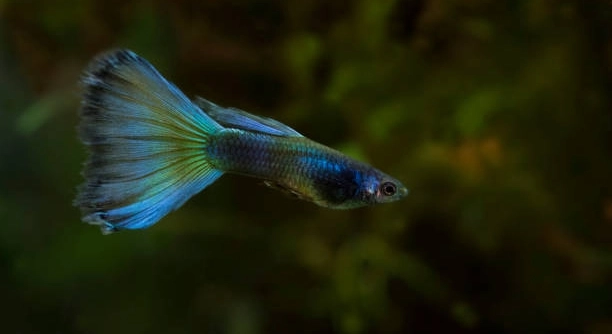
Guppy fry can sometimes experience slow growth, leaving owners wondering what might be causing the delay. Understanding the factors that affect their development can help provide a better environment for your fry to thrive.
The main causes for guppy fry not growing include improper water conditions, insufficient food, overcrowding, genetics, stress, poor tank mates, and water temperature fluctuations. Addressing these issues can encourage healthier growth for your fry.
These factors can be easily adjusted to promote better growth. Understanding them is key to ensuring your guppy fry thrive and develop properly.
Improper Water Conditions
Water quality plays a significant role in the growth of your guppy fry. Poor water conditions, such as high levels of ammonia, nitrates, or nitrites, can stress your fry and stunt their growth. Fry are more sensitive to these factors than adult guppies, making clean water essential for healthy development. Regular water changes and the use of a reliable filtration system will help maintain a safe environment.
If water quality is not maintained, your guppy fry may show signs of poor health, including stunted growth and weak immune systems. Test the water frequently to ensure that ammonia levels stay at 0 ppm, nitrates remain below 20 ppm, and the temperature is stable.
Keeping your tank clean can significantly improve the rate of growth in your fry. Consider using a water conditioner to neutralize harmful chemicals. Proper filtration, along with regular water testing, will support the development of healthy fry and prevent issues that slow their growth.
Insufficient Food
A proper diet is crucial for guppy fry growth. Without enough food or the right nutrients, your fry will not grow at their full potential. Make sure to provide food that is suitable for fry, such as fine flake food, baby brine shrimp, or microworms.
Guppy fry need to eat several times a day in small amounts. If they don’t receive adequate nutrition, their growth will be slower, and they may become weaker over time. Offering variety in their diet helps to ensure they receive all the necessary nutrients.
Feeding your fry properly will encourage steady growth and help them develop strong bodies. This will make it easier for them to adapt to changes in the environment and develop into healthy adult guppies.
Overcrowding in the Tank
Overcrowding is a common issue that can slow the growth of guppy fry. When there are too many fry in a tank, they may struggle for space, food, and oxygen. This can lead to stunted growth and unhealthy conditions.
To prevent overcrowding, make sure your tank is appropriately sized for the number of fry. Ideally, each fry should have at least one gallon of water to thrive. Overcrowded conditions also increase the risk of disease spreading quickly, further affecting their growth.
It’s essential to monitor the number of fry in your tank. If necessary, separate them into smaller groups and provide them with more space to grow. Ensuring that your fry have enough room will help them reach their full potential.
Stress and Aggression
Stress is another factor that can hinder the growth of your guppy fry. Fry can easily become stressed due to factors such as sudden temperature changes, aggressive tank mates, or irregular water quality.
Guppy fry are particularly sensitive to stress, and it can slow their development or cause them to stop growing altogether. Maintaining stable water conditions, keeping the tank peaceful, and monitoring temperature changes will help prevent stress.
Aggression from other fish in the tank can also affect fry growth. Be sure to choose peaceful tank mates that won’t chase or harass the fry. A calm, stable environment is crucial for healthy growth.
Genetics and Breeding
Genetics play a significant role in the growth rate of guppy fry. Some fry may naturally grow slower due to inherited traits from their parents.
If the parents are smaller or have slower growth rates themselves, this will likely be passed down to their fry. While you can’t change genetics, it’s important to understand that some fry may just develop at a slower pace.
Water Temperature Fluctuations
Temperature fluctuations can also slow down the growth of your guppy fry. Keeping the water temperature consistent is crucial for their development.
Guppy fry thrive in water temperatures between 75°F and 80°F (24°C-27°C). If the temperature drops below or rises above this range, it can stress the fry and hinder their growth. Make sure to use a reliable aquarium heater to maintain a stable temperature.
FAQ
Why are my guppy fry not growing as fast as I expected?
Several factors can affect the growth rate of guppy fry, including water quality, diet, overcrowding, and stress. If the water conditions aren’t ideal or the fry are not getting enough food, their growth can be slow. Additionally, overcrowding and high stress levels can also hinder their development. Ensure the tank is well-maintained, with good water quality and proper feeding schedules to support healthy growth.
How often should I feed my guppy fry?
Guppy fry should be fed multiple times a day, but in small amounts. It’s best to feed them 3-4 times daily, offering food that is finely crushed or specifically designed for fry. This will help them receive the nutrition they need without overfeeding, which can lead to water quality issues.
What should I feed my guppy fry?
Guppy fry require a high-protein diet to support their growth. You can feed them specially designed fry food, baby brine shrimp, microworms, or crushed flake food. These options provide the right nutrients for their rapid growth. As they grow, you can gradually introduce other foods, such as finely chopped vegetables or live foods, to their diet.
Can guppy fry grow in a tank with other adult fish?
While it is possible for guppy fry to grow in a tank with adult fish, it may not always be ideal. Adult fish may prey on the fry, or overcrowding could occur if the tank is too small. If possible, consider placing the fry in a separate nursery tank or providing safe hiding spaces in the main tank to protect them.
What temperature is best for guppy fry?
Guppy fry thrive in water temperatures between 75°F and 80°F (24°C-27°C). This range promotes optimal growth and development. If the water temperature fluctuates significantly outside this range, the fry could become stressed, leading to stunted growth or health problems. Using a reliable aquarium heater can help maintain a stable temperature.
How can I improve water quality for my guppy fry?
To improve water quality for your guppy fry, perform regular water changes of 20-30% every 1-2 weeks. Ensure the filtration system is functioning properly, and consider using a water conditioner to neutralize harmful chemicals. Regularly test the water for ammonia, nitrites, and nitrates, and ensure levels remain within safe limits.
Is overcrowding a serious problem for guppy fry?
Yes, overcrowding can be detrimental to the growth of guppy fry. If there are too many fry in the tank, they may compete for space, food, and oxygen, which can lead to stress and stunted growth. It’s important to ensure that your tank has enough space for each fry to thrive. A general rule of thumb is one gallon of water per fry.
How long does it take for guppy fry to reach full size?
Guppy fry typically reach full size in about 3-4 months, depending on their environment and the factors mentioned above. In ideal conditions, they can grow quickly, with noticeable size increases each month. However, if any growth issues arise, it could take longer for them to fully develop.
What are some signs that my guppy fry are unhealthy?
Unhealthy guppy fry may show signs such as a lack of appetite, abnormal swimming patterns, or visible signs of illness like discoloration or fin rot. Stunted growth is another sign of poor health. To address this, check water conditions, ensure they are getting the right food, and minimize stressors in the tank.
How can I reduce stress in my guppy fry?
Stress in guppy fry can be caused by poor water quality, overcrowding, aggressive tank mates, or temperature fluctuations. To reduce stress, maintain stable water conditions, ensure they have enough space, and choose peaceful tank mates. Providing plenty of hiding spots and a well-maintained environment will also help reduce stress levels.
What size tank is ideal for guppy fry?
For guppy fry, a tank with a capacity of at least 10 gallons is recommended, especially if you are raising a larger group. A larger tank provides more space for the fry to swim and grow, reduces the risk of overcrowding, and helps maintain stable water conditions.
Final Thoughts
Guppy fry can be delicate and require attention to their specific needs in order to thrive. Ensuring the right water conditions, proper diet, and enough space to grow will significantly impact their development. While there are several factors that influence their growth, many of these issues are preventable with consistent care and monitoring. Understanding what affects their growth and addressing those concerns early on will help the fry grow into healthy adults.
Overcrowding, stress, and poor water quality are common reasons why guppy fry may not grow as expected. By paying close attention to water parameters, keeping the tank clean, and ensuring the fry have enough space to grow, you can create an environment that encourages their healthy development. Providing the right food and feeding schedule is also crucial for their growth. Fry need high-protein food and must be fed several times a day, but in small amounts to prevent water pollution.
Finally, it’s important to remember that some fry may grow slower than others due to genetics. While this is out of your control, providing the best possible care will give all fry the best chance to thrive. With proper attention and care, you can help your guppy fry grow to their full potential and develop into healthy adult fish.

Hello,
If you enjoy the content that we create, please consider saying a "Thank You!" by leaving a tip.
Every little bit helps us continue crafting quality advice that supports the health, happiness, and well-being of pets around the world, for pets of all shapes, sizes, and species.
We really appreciate the kindness and support that you show us!