
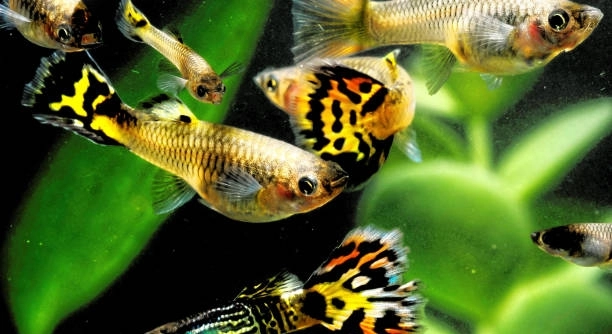
Guppy reproduction can be a rewarding experience for fish enthusiasts. Understanding the factors that influence their breeding can help boost the success rate. This article will explore practical ways to encourage healthy guppy reproduction in your aquarium.
The key to increasing guppy reproduction involves optimizing their environment. Factors such as water temperature, quality, and the presence of healthy mates all play crucial roles. Ensuring these elements are ideal can significantly improve breeding success.
Maintaining the right conditions for guppies can lead to a more thriving, successful breeding process. The following tips will help guide you through enhancing your aquarium for optimal reproduction.
1. Maintaining Ideal Water Conditions
Water quality is the most important factor for guppy reproduction. Guppies are sensitive to water temperature and pH levels. A temperature range of 74°F to 82°F is ideal for breeding. Water should be clean and free from harmful chemicals like chlorine. Regular water changes, at least 25% once a week, can help keep it in top condition. pH levels should be slightly alkaline, around 7.0 to 8.0.
Clean water and consistent temperature help guppies thrive. This also prevents stress, which can disrupt breeding. When conditions are right, guppies will breed more frequently, increasing your chances of successful reproduction. It is vital to monitor these factors carefully.
Setting up a filtration system will ensure your tank stays clean. Additionally, using a water testing kit helps maintain proper water parameters. Healthy water conditions give your guppies the best chance for reproduction success.
2. Choosing Healthy Breeding Pairs
Selecting healthy mates is essential for optimal breeding.
Choose guppies that are active, have clear eyes, and show no signs of illness. Healthy females should have a full belly and a rounded shape, indicating they are ready to breed.
It’s important to ensure that both male and female guppies are strong and disease-free. You can improve reproduction chances by selecting compatible pairs. Mating will be smoother when guppies are in good health. Avoid introducing sick or weak individuals into the tank, as this can affect breeding success.
3. Providing Proper Diet
A varied diet is crucial for guppies, especially when preparing them for breeding.
Feed your guppies a mix of high-quality flake food, frozen or live food like brine shrimp, and vegetable matter. This balanced diet ensures they get the nutrients necessary for healthy reproduction. Overfeeding can cause water quality issues, so feed small amounts multiple times a day instead of large portions.
To increase the chances of breeding, you can supplement their diet with high-protein food like daphnia or bloodworms. Healthy and well-fed guppies are more likely to reproduce. Keep in mind that too much food can lead to excess waste, affecting water quality and breeding conditions.
4. Creating a Safe Environment
A safe, stress-free environment encourages successful breeding.
Provide plenty of plants, rocks, and hiding spots in the aquarium to reduce stress. Guppies are shy and need areas to hide when they feel threatened. A well-planted tank mimics their natural habitat, helping them feel secure and more likely to breed.
The presence of hiding spots is also essential for pregnant females. After fertilization, they may prefer places to retreat and feel less vulnerable. Be sure to include dense plants, like Java moss or hornwort, that provide plenty of coverage. This setup will make your guppies feel comfortable and more inclined to breed.
5. Maintaining a Balanced Male-to-Female Ratio
The right male-to-female ratio is essential for breeding success.
Aim for two to three females for every male guppy in the tank. Too many males can lead to stress for females, as they will constantly chase them. Having more females reduces the pressure on each one and increases the chances of successful mating.
The males will actively pursue the females, but the females won’t become overly stressed when there are multiple mates to choose from. This balance promotes a more relaxed breeding environment and can lead to higher reproduction rates.
6. Using Separate Breeding Tanks
A separate breeding tank can give guppies a better environment to reproduce.
Setting up a breeding tank allows females to give birth without the risk of being harassed by males or other fish. This controlled environment prevents the male guppies from stressing the females during the birth process, ensuring better care for the fry.
In a breeding tank, you can also monitor the fry more easily. Use a breeding box or net within the tank to protect the newborn guppies from larger fish, which might eat them. This controlled setup helps both the fry and their mother thrive.
7. Monitoring for Pregnancy
Keep an eye on females for signs of pregnancy.
Pregnant guppies will have a darker gravid spot near their abdomen, and their belly will grow larger as they approach birth. Tracking this can help you anticipate when to separate them into a breeding tank for a smoother birthing process.
FAQ
How can I tell if my guppy is pregnant?
Pregnant guppies will exhibit a visible dark spot near their abdomen, called a gravid spot. As the pregnancy progresses, their belly will grow larger, and you may notice a noticeable swelling. This is a sign they are carrying fry and will give birth soon. Monitor the female closely for changes in size and behavior.
What do I do if my female guppy is constantly chased by males?
If your female guppy is being harassed by males, consider increasing the number of females in the tank. A male-to-female ratio of 1:3 or higher can reduce the stress on females. Alternatively, providing more hiding spots with plants or decorations will give females a chance to escape the males’ attention.
Should I separate pregnant guppies from other fish?
Yes, it is often a good idea to separate pregnant guppies into a breeding tank or a breeding box. This reduces the stress from other fish and prevents the mother from being harassed by males. It also keeps the newborn fry safe from potential predators in the main tank.
How long does it take for a guppy to give birth?
Guppies typically have a pregnancy period of about 21 to 30 days. The exact time can vary depending on the water temperature, the health of the female, and other factors. When the female is about to give birth, her belly will appear very large, and you will notice increased activity or a search for a hiding spot.
Can I prevent my guppy from getting pregnant?
To prevent guppies from breeding, keep males and females in separate tanks. If you prefer not to breed them, simply house only male guppies together. Alternatively, if you have a mixed tank, you can also remove the pregnant females before they give birth.
How often do guppies reproduce?
Guppies can reproduce frequently, with females capable of giving birth every 30 days or so. Depending on environmental conditions, they can give birth to several batches of fry in a year. It’s important to ensure your tank conditions remain stable to encourage regular breeding.
How many fry can a guppy have at once?
Guppies can have anywhere from 20 to 50 fry per batch, though some females can produce as many as 100 fry in a single birthing event. The number of fry can depend on the size and health of the mother, as well as her age and diet.
What should I feed my pregnant guppy?
Feed your pregnant guppy a balanced diet rich in protein. Offering foods like brine shrimp, daphnia, or bloodworms will help her maintain good health and support the growth of the fry. A well-fed guppy is more likely to give birth to healthy fry.
Do guppy fry need special care?
Yes, guppy fry require specific care to ensure they grow into healthy fish. They should be kept in a separate tank or breeding box, away from adult guppies, which may eat them. Offer them finely crushed flake food or specialized fry food until they are large enough to eat regular food.
How can I increase the chances of guppy fry surviving?
To increase the survival rate of guppy fry, make sure they are separated from adult fish as soon as they are born. Keep the water clean, provide hiding places, and ensure the fry have plenty of space to grow. A tank with plants or aquarium moss will give them places to hide and avoid predation.
How do I know when it’s time to add the pregnant guppy back into the main tank?
Once the guppy has given birth and no longer appears pregnant, you can return her to the main tank. It’s best to wait until she has fully recovered from the birthing process. Keep the tank conditions optimal, and keep an eye on her for signs of stress or health issues.
Final Thoughts
Guppy reproduction can be a rewarding experience with the right care and conditions. By ensuring your guppies have a healthy and stress-free environment, you can significantly improve their chances of successful breeding. Water quality, proper diet, and a balanced male-to-female ratio all play important roles in creating an environment conducive to reproduction. Providing hiding spots and separating pregnant females into a breeding tank can also help ensure the safety of both the mother and the fry.
Additionally, it’s crucial to monitor the health and behavior of your guppies. Pregnant females will show clear signs, such as a large belly and a dark gravid spot. Keeping a close eye on these signs can help you prepare for the birth process, ensuring the fry are protected and given a good start. Healthy guppies are more likely to reproduce successfully, so maintaining a well-balanced diet and a clean tank environment will support long-term breeding success.
Lastly, managing guppy populations can become a challenge as they breed frequently. If you are not ready to handle an influx of fry, it’s important to consider separating males and females or using breeding tanks to control reproduction. While guppies are hardy and can reproduce easily, thoughtful management will help you maintain a balanced aquarium while ensuring both the adult fish and their offspring thrive.

Hello,
If you enjoy the content that we create, please consider saying a "Thank You!" by leaving a tip.
Every little bit helps us continue crafting quality advice that supports the health, happiness, and well-being of pets around the world, for pets of all shapes, sizes, and species.
We really appreciate the kindness and support that you show us!