
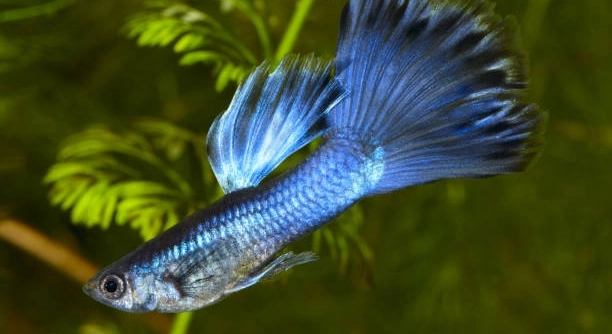
Guppies are active and sensitive fish, which makes their tank environment important for their well-being. They thrive in calm conditions where they can swim freely and feel secure. The right environment can reduce stress.
The primary reason guppies prefer calm tank conditions is to reduce stress. A peaceful environment promotes healthy behavior, minimizes aggression, and helps them feel secure. Guppies rely on stable water conditions to maintain overall health and well-being.
A calm tank ensures your guppies stay healthy and active. Understanding their preferences will help create an ideal habitat for them.
Importance of Stable Water Temperature
The water temperature in a guppy tank plays a key role in their overall health. Guppies thrive in temperatures between 72-82°F (22-28°C). Any drastic changes in temperature can cause stress, leading to a weakened immune system. If the water is too cold, guppies become sluggish and may stop eating, while excessive heat can lead to faster metabolism and even death. A stable temperature encourages normal behavior and reduces the risk of illness. Using a reliable heater and thermometer is essential for maintaining this balance. Regularly checking the temperature ensures that the guppies feel secure and remain active.
A fluctuating temperature can disrupt their feeding habits and make them more susceptible to diseases. Stability is vital to keep your guppies comfortable and healthy.
Providing the right temperature range is simple but vital. It prevents stress and supports healthy growth. Guppies in stable water conditions show vibrant colors, improved appetite, and energy. Consistent temperature management is essential for their well-being.
Water Quality and Filtration
Water quality is another factor that can affect a guppy’s health. Guppies are particularly sensitive to poor water conditions, and unclean water can lead to health problems, such as skin issues or infections. Regular water changes are necessary to remove excess waste and prevent the build-up of toxins like ammonia and nitrates. An effective filtration system helps keep the water clear and well-oxygenated, promoting a better environment for your guppies. Good filtration ensures that waste is broken down and removed from the water, which reduces stress on the fish.
Proper filtration prevents harmful substances from accumulating, helping maintain a healthier tank.
Installing a high-quality filter is an important investment for your guppy tank. A well-maintained filter helps ensure that your guppies stay in a clean and safe environment. In addition, regular water changes should be done weekly to maintain the best water conditions. It’s essential to clean the filter regularly and monitor the water parameters, such as pH, hardness, and nitrate levels, to ensure they remain within acceptable ranges. By focusing on water quality, you will not only reduce stress on your guppies but also improve their chances of thriving in your tank. A well-kept tank makes for happy and healthy guppies.
Lighting Conditions
Guppies prefer moderate lighting in their tank. Too much light can cause stress, while too little may affect their behavior. Natural light or low-intensity aquarium lights work best. The lighting should mimic a day-night cycle, giving your guppies time to rest at night.
Keeping the lighting consistent helps your guppies stay active and balanced. It’s essential to avoid long periods of bright lighting, which can stress them out and lead to algae growth. Try using a timer to control the light cycle, ensuring they get enough rest each day. With proper lighting, they will feel more secure and be more likely to thrive.
Lights that are too intense can also increase water temperature, which could cause an imbalance. Overexposure to light may disturb the natural rhythm of your guppies, making them feel uncomfortable and less active. By providing just the right amount of light, you allow your guppies to live in a peaceful and stable environment. Adjust the lighting according to their needs to ensure the healthiest habitat.
Tank Size and Space
The size of the tank is vital for guppies. A small tank can lead to overcrowding and stress. Guppies need room to swim and explore. A tank with a minimum of 10 gallons is recommended for a small group of guppies. This gives them enough space to move freely.
Overcrowding can lead to poor water quality and aggressive behavior. Guppies are active and need space to stay healthy. Ensure that there’s plenty of swimming room, as too much congestion can cause fights and stress. The more room they have, the better they can adapt and thrive in their environment.
Keeping the tank spacious reduces territorial disputes and helps maintain good water quality. Guppies feel more secure when they can move freely and find areas to hide if needed. Tank size also plays a role in water filtration and stability. A larger tank will help balance the water conditions, making it easier to maintain a healthy habitat. Consider the number of guppies you have to determine the proper tank size for them.
Tank Decorations and Hiding Spots
Adding decorations and plants to the tank provides guppies with hiding spots and areas to explore. Guppies enjoy swimming around objects that mimic their natural environment. Live or artificial plants can create a calm, secure atmosphere for them.
By providing a few places to hide, you give your guppies the opportunity to retreat when they feel stressed. Ensure the decorations are smooth and free of sharp edges to avoid injury. Plants also help maintain water quality by absorbing excess nutrients, benefiting both the guppies and the tank’s ecosystem.
Feeding Routine
Establishing a regular feeding routine is essential for guppies. They prefer eating small amounts several times a day, rather than large portions at once. Overfeeding can lead to water contamination, which stresses the fish.
Stick to a consistent feeding schedule to avoid excess waste in the tank. Overfeeding disrupts the tank’s balance and harms water quality, which can stress your guppies. Make sure you’re offering the right amount of food and remove any leftover after a few minutes.
Fish Companions
Guppies can be social, but they thrive best with peaceful tank mates. Aggressive or overly dominant species can cause stress, affecting their overall health. Consider adding other peaceful fish that don’t compete for food or space.
FAQ
Do guppies like strong water currents?
Guppies generally prefer calm water conditions. Strong currents can be stressful, making it harder for them to swim freely. While they can tolerate some water movement, especially with the right tank setup, strong currents should be avoided. A gentle filter or air stone will provide the necessary circulation without disturbing their comfort.
How often should I change the water in a guppy tank?
Water changes should be done regularly to maintain good water quality. It’s best to change about 25-30% of the water every week. If the tank is heavily stocked or if you have poor filtration, you might need to do smaller, more frequent changes. Regular water changes help remove waste and toxins, ensuring the guppies remain in a healthy environment.
Can I keep guppies with other fish?
Yes, guppies are generally peaceful fish and can coexist with many other species. It’s essential to choose tank mates that are not overly aggressive or territorial. Fish like tetras, mollies, and other small peaceful species work well with guppies. Be cautious of large fish that may see guppies as prey.
What temperature should I keep my guppy tank at?
Guppies thrive in water temperatures between 72-82°F (22-28°C). It’s important to maintain a stable temperature, as fluctuations can stress the fish. A reliable aquarium heater and thermometer will help you keep the water within the ideal range, promoting a healthy environment for your guppies.
How many guppies should I keep together?
Guppies are social fish and should be kept in groups. A good rule of thumb is to have at least 3-4 guppies together. A larger group can help reduce stress and create a more natural social environment. However, avoid overcrowding, as this can lead to poor water quality and aggression.
What should I feed my guppies?
Guppies are omnivores and enjoy a varied diet. They can be fed a combination of high-quality flake food, freeze-dried or frozen foods like bloodworms, brine shrimp, and occasional vegetables. It’s essential to avoid overfeeding, as excess food can lead to poor water conditions.
How do I know if my guppies are stressed?
Signs of stress in guppies include erratic swimming, hiding, a lack of appetite, and faded colors. Stress can also cause guppies to stop breeding or show signs of illness. Pay attention to changes in behavior and investigate potential stress factors like water conditions or tank mates.
Can guppies breed in a community tank?
Yes, guppies can breed in a community tank. However, if you don’t want them to breed, it’s best to keep males and females separate or ensure that there are no hiding spots for the fry. Guppies breed easily, and without intervention, they can quickly overpopulate the tank.
Why are my guppies swimming at the top of the tank?
If your guppies are constantly swimming at the surface, it could indicate that the oxygen levels in the water are low. This can happen if the water circulation is inadequate or if the tank is overcrowded. Adding an air stone or improving the filtration system can help increase oxygen levels and improve their swimming behavior.
How can I improve my guppies’ colors?
To enhance the colors of your guppies, ensure they are kept in stable, stress-free conditions. A well-balanced diet with color-enhancing foods, such as spirulina and high-quality flake food, can also help. Additionally, a stable environment with proper lighting and water conditions supports the vibrant hues of your guppies.
Do guppies need a filter in their tank?
Yes, guppies benefit from having a filter in their tank. A filter helps maintain clean water by removing waste and toxins, promoting a healthier environment for the fish. It also provides gentle water movement, which mimics their natural habitat. Ensure that the filter’s flow rate is appropriate for your guppy tank size.
Can guppies live with shrimp?
Yes, guppies can live with shrimp in most cases. Shrimp are peaceful and tend to stay at the bottom of the tank, while guppies swim higher in the water. However, be cautious with very small shrimp, as baby guppies may sometimes nibble on them. Larger shrimp like cherry or Amano shrimp generally do well with guppies.
What should I do if my guppy isn’t eating?
If a guppy isn’t eating, it could be a sign of stress or illness. Check the water parameters, as poor water quality can lead to loss of appetite. If the water is in good condition, monitor the guppy for other signs of illness, such as lethargy or abnormal swimming behavior. If symptoms persist, consult a vet.
Can guppies live in a small tank?
Guppies can live in a small tank, but the size should still be appropriate. A tank of at least 10 gallons is recommended for a small group of guppies. A smaller tank can quickly lead to poor water quality and stress. Make sure to have a good filtration system and monitor water parameters regularly.
How do I prevent algae growth in a guppy tank?
Algae growth can be controlled by reducing the amount of light your tank receives, cleaning the tank regularly, and maintaining proper water conditions. Algae eaters like snails or certain species of fish can also help control algae growth. Avoid overfeeding, as excess nutrients contribute to algae development.
Why are my guppies chasing each other?
Guppies are social fish, and some chasing is normal, especially during breeding behavior. However, excessive chasing can indicate aggression or territorial disputes, especially in overcrowded conditions. If the chasing becomes constant or leads to injury, consider adjusting the tank setup or adding more hiding spots to reduce tension.
Final Thoughts
Guppies are relatively easy to care for, making them a popular choice for both beginner and experienced aquarium enthusiasts. They thrive in calm tank conditions and enjoy environments that mimic their natural habitat. By providing stable water temperatures, regular water changes, and appropriate tank mates, you can create a stress-free environment that promotes their health and well-being. The right tank setup, including proper filtration and decorations, will ensure that your guppies stay active, vibrant, and happy.
Feeding guppies properly is also an essential part of their care. Offering a balanced diet of quality flake food, along with occasional live or frozen treats, can support their growth and color development. It’s important not to overfeed, as this can lead to water pollution and stress, affecting the fish’s overall health. Regularly monitoring their behavior for signs of stress or illness and addressing any issues promptly will help you maintain a healthy tank. Guppies are generally peaceful but can experience stress from overpopulation, unsuitable tank mates, or poor water quality, so maintaining balance is key.
Lastly, remember that guppies are social fish. Keeping them in groups allows them to interact and reduces stress. Be mindful of their breeding habits, as they reproduce quickly in community tanks. If you prefer not to have fry, take steps to control their breeding by separating males and females or removing fry as needed. Overall, providing the right environment, nutrition, and tank conditions will ensure that your guppies live long, healthy lives. Their vibrant colors and active personalities make them a delightful addition to any aquarium.

Hello,
If you enjoy the content that we create, please consider saying a "Thank You!" by leaving a tip.
Every little bit helps us continue crafting quality advice that supports the health, happiness, and well-being of pets around the world, for pets of all shapes, sizes, and species.
We really appreciate the kindness and support that you show us!