
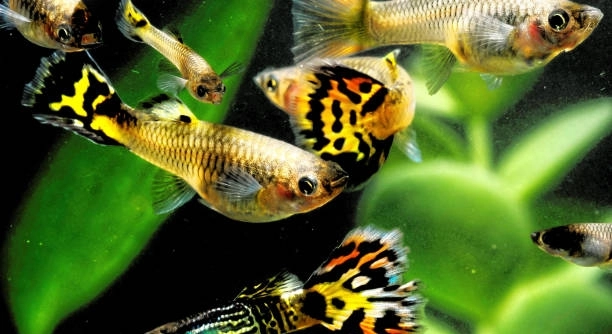
Guppy fry are a joy to watch, but it can be frustrating when they refuse to eat. Understanding why they won’t eat is key to ensuring their health and development.
There are several possible reasons why your guppy fry might not be eating. These include poor water quality, stress, unsuitable food, improper water temperature, illness, overcrowding, and even the size of the fry. Identifying the cause can help you resolve the issue.
Learning about these factors will help you better care for your guppy fry and prevent future feeding problems. Keep reading to find out what could be affecting their appetite.
Poor Water Quality
When the water in your tank isn’t clean, it can make it hard for your guppy fry to thrive. They are very sensitive to changes in water conditions. High levels of ammonia or nitrites can cause stress, making them lose their appetite. Dirty water also affects their gills and overall health, which can make it even harder for them to eat. Fry need stable water conditions to feel safe and comfortable enough to feed.
Regular water changes and using a good filtration system are essential. Make sure the water temperature is within the right range, as extreme changes can also stress them out. It’s best to keep water parameters like pH, hardness, and temperature consistent. This ensures a better environment for them to grow strong and healthy.
Always test your water frequently and clean the tank properly to avoid harmful substances that can affect your fry’s eating habits.
Stress Factors
Stress is another reason why guppy fry might not be eating. Any change in their environment, such as new tank mates or sudden movements, can make them feel unsafe. The fry are easily frightened and may stop eating due to the stress.
To reduce stress, try to maintain a peaceful and stable environment. Avoid overcrowding the tank, as too many fish can create competition for food and increase stress levels. Also, make sure to provide hiding spots like plants or decorations where the fry can retreat when they feel threatened. Creating a calm atmosphere will help them relax and feel secure enough to eat.
Unsuitable Food
If the food you’re offering is too large or hard to eat, your guppy fry won’t consume it. Fry are tiny, and they need specially designed food to match their size. Overly large or inappropriate food can easily be ignored.
Make sure to offer finely crushed flakes, baby brine shrimp, or other foods made for fry. Try to offer food that sinks slowly to the bottom since guppy fry often feed near the tank’s bottom. Small portions at frequent intervals will ensure they get the right nutrients. Offering a variety of food types will help them find what they prefer and encourage better feeding.
When food is not eaten within a few hours, remove it from the tank to avoid polluting the water. Overfeeding can also lead to water quality issues, which in turn can affect their eating habits.
Temperature Issues
Guppy fry are very sensitive to temperature changes. If the water is too cold or too hot, they may not eat. It’s important to maintain a stable water temperature that stays within the ideal range for guppy fry.
The water should be between 75°F and 80°F (24°C to 27°C). When the water is too cold, their metabolism slows down, making them less likely to eat. On the other hand, water that’s too warm can lead to stress, making them uneasy and preventing them from feeding. Ensure your aquarium heater is functioning properly and always check the water temperature before feeding.
Even small temperature fluctuations can cause fry to stop eating, so it’s crucial to avoid sudden changes and keep things consistent.
Illness
Guppy fry can stop eating if they’re sick. Illnesses like parasites, bacterial infections, or fungal problems can cause loss of appetite. They may appear lethargic, have discolored bodies, or show other signs of distress.
If you suspect illness, it’s important to quarantine the fry in a separate tank. Consult an aquarium expert or use aquarium-safe medications to treat the issue. Proper treatment, along with maintaining clean water, will help them recover and regain their appetite. Regular observation and a good care routine can prevent illness from affecting their feeding.
Overcrowding
Overcrowding in the tank can make it hard for fry to eat. When there are too many fry in a small space, food becomes scarce, and they may compete for it. This stress can lead to them refusing to eat.
To avoid overcrowding, ensure your tank has enough space for the fry to grow and thrive. A general rule is about one inch of fish per gallon of water. If you have too many fry, consider moving some to a larger tank or another section of your current tank to give them more room to feed peacefully.
Tank Maintenance
Regular tank maintenance plays a significant role in the well-being of your guppy fry. If the tank isn’t cleaned properly, water quality can decline quickly, leading to a lack of appetite in the fry.
Ensure you are cleaning the tank regularly, removing excess food, and checking the filter. If the filter is clogged or dirty, it may not be able to keep the water clean. Always change the water frequently and monitor water parameters to create a healthy environment where the fry feel comfortable feeding.
FAQ
Why aren’t my guppy fry eating?
There are several possible reasons why your guppy fry might not be eating. It could be due to poor water quality, improper water temperature, stress, illness, unsuitable food, or overcrowding. Ensuring that your tank is clean, maintaining the right temperature, and offering appropriate food are all important factors in encouraging your fry to eat. Also, consider reducing stress by minimizing changes in their environment and keeping the tank calm.
How do I know if my guppy fry are sick?
Sick guppy fry may show signs like a loss of appetite, abnormal swimming behavior, or discoloration. They may be lethargic, have torn fins, or develop white patches on their bodies, which are common signs of a fungal or bacterial infection. If you notice any of these symptoms, it’s essential to isolate the affected fry and treat them in a separate tank with appropriate medication. Keep the main tank clean to prevent further contamination.
Can I feed my guppy fry adult fish food?
No, adult fish food is generally too large and not suitable for guppy fry. Fry need specially designed food that is small enough for them to consume easily, like finely crushed flakes or live baby brine shrimp. Offering food that’s too large can discourage them from eating, as they may struggle to consume it.
How often should I feed guppy fry?
Guppy fry should be fed small amounts several times a day. Since their stomachs are tiny, they require frequent feedings to ensure they get the nutrients they need for growth. Offering food 3-4 times a day in small portions helps prevent overfeeding and keeps the water clean. Always remove any uneaten food to avoid water pollution.
Can guppy fry eat too much?
Yes, guppy fry can eat too much, which can lead to water quality problems. Overfeeding can result in uneaten food decaying in the tank, causing a spike in ammonia or nitrites, which can harm both fry and adult fish. To avoid this, feed only small amounts of food at a time and remove leftovers promptly.
What should I do if my guppy fry are stressed?
Stress in guppy fry can stem from factors like poor water quality, overcrowding, sudden tank changes, or the presence of aggressive tank mates. To reduce stress, ensure the tank is clean and has enough hiding spaces. Keep the tank peaceful by avoiding fast movements or loud noises near the tank.
Can guppy fry survive in a tank with adult guppies?
It’s generally not recommended to keep guppy fry in a tank with adult guppies unless the tank is large enough to allow for safe separation. Adult guppies may unintentionally harm or even eat the fry. If you want to raise the fry in the same tank, consider adding a breeding box or a separate section where the fry can grow without the risk of being eaten.
How can I maintain the right water temperature for my guppy fry?
The water temperature should be maintained between 75°F and 80°F (24°C to 27°C) for optimal growth and health of guppy fry. Use a reliable aquarium heater to keep the temperature stable. Avoid placing the tank in areas with temperature fluctuations, like near windows or air conditioners, as this can cause stress to the fry.
What is the best food for guppy fry?
The best food for guppy fry includes specially formulated fry food, like finely crushed fish flakes or baby brine shrimp. You can also feed them micro-worms, daphnia, or infusoria for variety. Offering a mix of live, frozen, or powdered foods will help provide all the nutrients they need.
How do I improve the water quality for my guppy fry?
Maintaining good water quality is crucial for guppy fry health. Perform regular water changes (about 20-30% per week) and keep the filter clean. Test the water for ammonia, nitrites, and pH levels, ensuring they are within safe ranges. Keeping the tank free of uneaten food and waste will also help maintain water quality.
Do guppy fry need a filter in their tank?
Yes, guppy fry benefit from a filter in their tank, but it’s important to use a gentle filter that won’t suck them in. Strong currents can stress them out and make feeding difficult. A sponge filter is a good choice for fry tanks because it provides filtration without the risk of harming them.
Can guppy fry live without a heater?
While guppy fry can technically survive without a heater, they thrive better with one. Guppies are tropical fish that prefer warm water temperatures. Without a heater, the water temperature may fluctuate, causing stress and slowing their growth. A stable, warm environment helps the fry stay active and healthy.
How can I reduce the chances of overcrowding in my tank?
To avoid overcrowding, ensure that your tank has enough space for the fry to grow. A general rule of thumb is one inch of fish per gallon of water. As the fry grow, you may need to move some to a larger tank or remove excess fish to ensure they have room to eat and grow.
Is it necessary to provide hiding spots for guppy fry?
Yes, providing hiding spots for guppy fry is important. Fry are vulnerable to being eaten or stressed by other fish. Adding plants, decorations, or a breeding box can give them a place to feel safe. Hiding spots also help reduce stress, allowing the fry to rest and recover when needed.
How long does it take for guppy fry to grow large enough to eat normal fish food?
Guppy fry usually grow quickly. Within about 4-6 weeks, they can start eating slightly larger food, such as finely chopped adult fish food. By this time, they will have grown enough to consume food that is typically too large for newly hatched fry.
Final Thoughts
Raising guppy fry can be a rewarding experience, but it does come with its challenges. If your fry are not eating, it’s important to carefully observe the environment around them. Factors such as water quality, temperature, stress, and the type of food you’re offering can all play a role in whether your fry are feeding properly. By maintaining a clean tank, offering the right food, and ensuring a stable and calm environment, you can increase the chances of your fry growing healthy and strong.
In some cases, it may take a little trial and error to figure out what’s causing the issue with your fry’s eating habits. For example, water temperature that is too cold or too warm can cause them to stop eating. Similarly, offering food that is too large or not suitable for their tiny mouths can make feeding difficult. Regular tank maintenance, such as water changes and proper filtration, is also key to ensuring that your guppy fry have the best environment for growth. If you notice signs of illness or stress, it’s important to address these issues promptly to avoid further complications.
Lastly, patience is essential when raising guppy fry. They grow quickly, and while it may seem like they aren’t eating at first, most fry will eventually adapt to their environment. By providing a calm, clean, and safe space for them, along with proper nutrition, you are giving your guppy fry the best chance to thrive. Keep an eye on their behavior, make adjustments as needed, and they should begin to eat and grow without too much trouble. Raising healthy fry takes time, but the effort is well worth it when you see them flourish.

Hello,
If you enjoy the content that we create, please consider saying a "Thank You!" by leaving a tip.
Every little bit helps us continue crafting quality advice that supports the health, happiness, and well-being of pets around the world, for pets of all shapes, sizes, and species.
We really appreciate the kindness and support that you show us!