
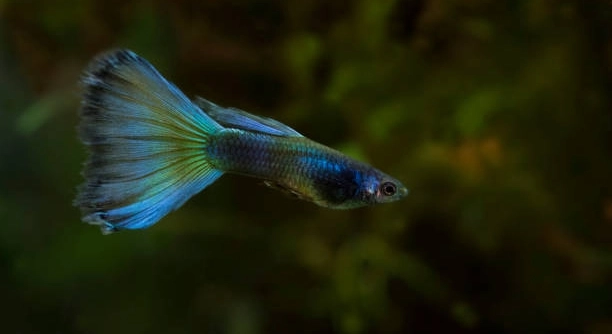
If you’ve noticed that your guppy’s belly is looking bigger than usual, it’s important to understand the possible reasons behind it. A swollen belly can indicate various issues, and being informed helps in identifying the cause quickly.
A swollen belly in guppies can be caused by a variety of factors, including pregnancy, overfeeding, constipation, or illness. It is crucial to monitor the fish’s behavior and condition closely to determine the cause and take appropriate action.
Understanding the reasons behind a guppy’s swollen belly is essential for their care and well-being. Each cause has its own solution, and addressing the issue promptly will help keep your guppy healthy and happy.
1. Pregnancy: The Most Common Cause of a Swollen Belly
If your guppy’s belly is swollen, the most likely reason is pregnancy. Female guppies can get noticeably round as they develop fry (baby fish). When carrying eggs, the belly expands as the fry grow inside. This is a natural process and usually occurs in well-fed, healthy females.
Pregnancy can last about 3 to 4 weeks in guppies, and during this time, you may notice the belly getting more pronounced. Female guppies often exhibit a gravid spot near their abdomen, which gets darker as pregnancy progresses. When the fry are ready, the female will give birth.
To prepare for the birth of the fry, it’s helpful to set up a separate tank or breeding box. This will protect the newborn fish from other tank mates, ensuring they have a safe space to grow. Keeping the tank clean and providing nutritious food is essential for both the mother and the fry’s well-being.
2. Overfeeding: A Risky Habit for Your Guppy
Overfeeding can lead to a swollen belly, making your guppy appear larger than usual. This happens because excess food often isn’t fully digested and can cause bloating.
If you notice your guppy’s belly is swollen despite not being pregnant, it could be due to overeating. It’s easy to assume that feeding them extra food will keep them happy, but it can lead to health issues like obesity and constipation. Overfeeding affects digestion and leads to the accumulation of food in the stomach area.
To avoid overfeeding, make sure you only provide the amount of food that can be eaten in a few minutes. Remove any leftover food after a short period to keep the water quality in check. Guppies thrive on a balanced diet, and portion control plays a big part in maintaining their health. Additionally, adding variety to their meals ensures they’re getting all the necessary nutrients without overdoing it.
Constipation: A Possible Cause of Swelling
Constipation can also cause your guppy to have a swollen belly. If they are not able to pass waste properly, it can build up in their system, making them appear bloated. This is often a result of a poor diet or low water temperature.
To help relieve constipation, make sure your guppy has a well-balanced diet with enough fiber. Feeding them a small amount of cooked, peeled peas can help clear up the blockage. Additionally, improving water conditions, such as temperature and filtration, may aid digestion and prevent future constipation.
If the issue persists, consider fasting your guppy for a day or two to give their system a break. Avoid overfeeding during this period, as it can worsen the problem. Also, maintaining proper water quality will help prevent further digestive issues, allowing your guppy to stay healthy.
Dropsy: A Serious Health Concern
Dropsy is a more serious condition that could cause your guppy’s belly to swell. It occurs when fluid accumulates in the body due to kidney or organ failure. The fish may appear bloated, and the scales might look raised, giving a pinecone-like appearance.
This condition can be caused by a bacterial infection, poor water quality, or even stress. Treatment often requires antibiotics or other medications, and it’s important to quarantine the infected fish to prevent spreading any potential disease to other tank mates. Infected guppies may also show signs of lethargy, loss of appetite, or difficulty swimming.
To help manage dropsy, focus on keeping the water clean and stress-free. Maintain proper water parameters and avoid overcrowding in the tank. Sadly, dropsy can be difficult to treat and may lead to death, but early intervention with the right medications can help improve chances of recovery.
Swollen Belly from Poor Water Quality
Poor water quality can lead to a swollen belly in guppies. High ammonia, nitrites, or nitrates in the water can stress your fish, affecting their digestion and overall health. Regular water changes and testing will help keep water conditions safe.
If water quality is to blame, the first step is to perform a water change. Test the water to check levels of ammonia, nitrites, and nitrates. Use a good filtration system to keep the water clean and ensure proper aeration. Guppies thrive in stable, clean environments, and improving these conditions will help prevent swelling.
If the water quality isn’t improved, guppies may also suffer from other health issues like skin problems, lethargy, or even death. It’s crucial to monitor water parameters regularly and take corrective action as needed. Proper water care can prevent many common fish ailments and contribute to the overall health of your guppy.
Internal Parasites: Another Cause of Swelling
Internal parasites can cause bloating or a swollen belly in guppies. These parasites affect the fish’s digestive system, leading to issues with nutrient absorption. As the parasites grow, they can cause a noticeable bulge in the abdomen area.
If your guppy shows signs of swelling, along with loss of appetite or weight, parasites could be the cause. Some common internal parasites include tapeworms, flukes, and roundworms. Treatment usually involves medicated food or water treatments.
Early intervention is crucial in treating internal parasites to prevent them from spreading to other fish in the tank. Quarantine the affected guppy if possible and treat the tank according to the product instructions.
FAQ
What can I do if my guppy’s belly is swollen from pregnancy?
If your guppy’s swollen belly is due to pregnancy, there isn’t much you need to do other than wait for the fry to be born. Ensure the mother is well-fed and healthy during this time. A separate breeding tank or box can help protect the newborn fry from being eaten by other tank mates. It’s also important to keep the water clean to avoid stress and potential complications for the mother. Once the fry are born, you can remove the mother from the breeding tank if needed to prevent her from eating them.
How do I prevent overfeeding my guppy?
Overfeeding is one of the most common reasons for bloating. To prevent this, make sure you’re feeding your guppy small amounts that they can finish in a few minutes. It’s a good rule of thumb to feed them only what they can consume within 2-3 minutes and remove any uneaten food promptly. It’s also important to feed a balanced diet to avoid excess weight and health issues like constipation or bloating. Consider feeding them twice a day, and give them variety to keep things interesting and nutritious.
Can constipation cause a swollen belly in my guppy?
Yes, constipation can lead to a swollen belly. If your guppy is constipated, they may not be able to pass waste properly, causing their belly to expand. This is usually due to overfeeding or a lack of fiber in their diet. You can help your guppy by offering them a small portion of cooked, peeled peas, which are gentle on their digestive system. Additionally, ensure that the water temperature is ideal and that the guppy has access to plenty of clean, fresh water to aid in digestion.
How can I treat dropsy in my guppy?
Dropsy is a serious condition and may cause your guppy’s belly to swell. If you notice signs of dropsy, such as bloating and raised scales, it’s essential to act quickly. Isolate the affected fish in a quarantine tank to avoid spreading any potential infection. Dropsy is often caused by a bacterial infection, so treatment with antibiotics might be necessary. Keep the water clean and monitor the guppy’s condition closely. Unfortunately, dropsy can be difficult to treat, and in some cases, it may be fatal. Early intervention can improve the chances of recovery.
Can poor water quality cause my guppy’s belly to swell?
Yes, poor water quality is one of the main contributors to stress in fish, which can lead to bloating or a swollen belly. High ammonia, nitrites, and nitrates are common causes of poor water conditions. Regular water testing and changes are crucial for preventing these issues. If you notice swelling and suspect poor water quality, perform a water change and test for harmful levels of toxins. Additionally, ensure that your filtration system is working correctly and that the water temperature is stable. Clean water reduces stress and helps your guppy stay healthy.
What are the signs that my guppy has internal parasites?
Internal parasites can cause bloating and a swollen belly. If your guppy is showing signs of abnormal swelling, along with loss of appetite or weight, there’s a chance internal parasites are present. Other symptoms to watch for include lethargy and changes in swimming behavior. If parasites are suspected, you may need to treat your fish with medicated food or water treatments specifically designed for parasitic infections. Always isolate the affected guppy to prevent the spread of parasites to other fish in the tank. Consult with a veterinarian or an experienced aquarist if you are unsure how to treat the condition.
Is a swollen belly always a sign of illness in my guppy?
Not always. A swollen belly could be a normal sign of pregnancy, especially in female guppies. However, if your guppy’s belly is swollen and other symptoms like lethargy, loss of appetite, or difficulty swimming are also present, it may indicate illness. Causes like constipation, dropsy, or parasites could be behind the swelling. It’s important to monitor the fish’s behavior and health closely to identify the cause of the bloating. If you’re unsure, consulting with an experienced aquarist or veterinarian can help pinpoint the issue and guide you toward the proper treatment.
Can I treat a swollen belly from pregnancy without isolating the guppy?
In most cases, you do not need to isolate a pregnant guppy unless you are concerned about the safety of the fry after birth. If your guppy’s belly is swollen from pregnancy, simply ensure that she is in a stress-free environment with clean water and a proper diet. If you’re worried about other fish eating the fry after they’re born, a breeding box or separate tank will help protect them. Isolating the pregnant guppy isn’t always necessary unless you observe signs of distress, such as swimming difficulties or unhealthy behavior.
How long does it take for a guppy to give birth after showing a swollen belly?
Typically, guppies will give birth 3-4 weeks after showing signs of pregnancy, such as a swollen belly and a dark gravid spot near their abdomen. As the birth approaches, the belly may become even more swollen, and you may notice the guppy becoming more restless. The time frame can vary, so it’s essential to keep an eye on her and make sure she has a safe, clean space for the birth. Once the fry are born, remove the mother if necessary to prevent her from eating the newborns.
What should I do if my guppy’s belly continues to swell despite treatment?
If the swelling persists despite your efforts to improve water quality, adjust the diet, or treat for constipation or parasites, it’s time to seek further help. Persistent swelling could indicate more serious health issues like dropsy or an internal infection. Quarantine the guppy to prevent spreading any illness and consider seeking advice from an experienced aquarist or veterinarian. In some cases, an early diagnosis and treatment plan can help address the problem before it worsens. Be sure to monitor the guppy closely and check water conditions frequently to support recovery.
Final Thoughts
A swollen belly in guppies can be caused by various factors, and understanding the root cause is important for their well-being. Pregnancy is the most common reason for a swollen belly in female guppies, and it’s usually a natural process. However, other causes like overfeeding, constipation, dropsy, or internal parasites can also lead to bloating. Each of these conditions has its own set of signs and treatments, and knowing the difference can help you address the issue before it becomes serious.
Taking care of your guppy’s health involves not only monitoring their belly but also maintaining the overall environment of the tank. Poor water quality is a significant stressor for fish, and keeping the water clean and well-filtered will help reduce the risk of health issues. Regular water changes and testing will ensure that ammonia, nitrites, and nitrates are at safe levels. When it comes to feeding, make sure to provide a balanced diet and avoid overfeeding. Overfeeding can lead to constipation, which can worsen the swelling and cause discomfort for your guppy. Feeding small amounts at regular intervals can help keep your fish healthy and prevent issues related to digestion.
If you’re unsure about the cause of your guppy’s swollen belly, don’t hesitate to consult with an experienced aquarist or veterinarian. They can help you determine if the issue is related to pregnancy, a health problem, or environmental factors. In any case, early detection and proper care are key to ensuring that your guppy remains healthy. Keep an eye on their behavior, monitor the water conditions, and provide them with a well-balanced diet. With the right care and attention, most guppies can recover from minor health issues and continue to thrive in your aquarium.

Hello,
If you enjoy the content that we create, please consider saying a "Thank You!" by leaving a tip.
Every little bit helps us continue crafting quality advice that supports the health, happiness, and well-being of pets around the world, for pets of all shapes, sizes, and species.
We really appreciate the kindness and support that you show us!