
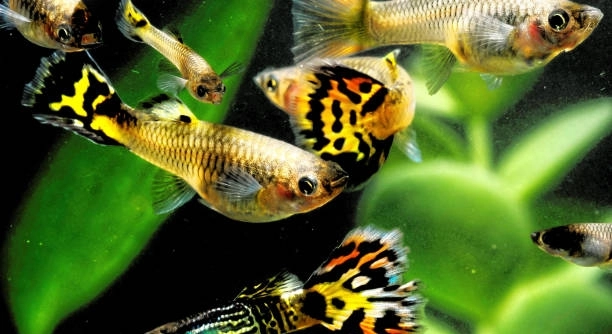
Guppy fry are delicate creatures that require special care after birth. It can be worrying when they don’t seem to eat, and you may wonder what’s causing this issue. Understanding the possible reasons can help you address it quickly.
The most common reasons for guppy fry not eating after birth include stress, incorrect water conditions, lack of proper food, or even predation by adult fish. Environmental factors and health issues can also prevent them from feeding properly.
Learning the causes behind your guppy fry’s behavior can help you take the right steps. Proper care and attention to their environment can make a world of difference for their health.
Stress From the Birthing Process
The stress of birth can be overwhelming for guppy fry, and it’s common for them to be in shock after emerging. The sudden change from the comfort of their mother’s body to the open tank environment is intense. They may not want to eat because they are still adjusting and trying to recover from the experience.
During the birthing process, both the mother and the fry are exposed to a lot of stress. The fry may be weak, disoriented, and scared, making it harder for them to focus on eating. This stress can delay their need for food and slow down their feeding habits. It’s important to provide a calm, quiet environment for the fry to feel secure.
To reduce stress, give them plenty of hiding spaces and keep the tank conditions stable. Use dim lighting and avoid sudden movements around the tank. Over time, they should become more comfortable, which can help restore their appetite.
Poor Water Conditions
Water quality plays a huge role in your fry’s health. Poor water conditions can make it difficult for fry to feel comfortable and eat properly. If the water temperature, pH levels, or cleanliness are not ideal, it can cause fry to become stressed and refuse food. It’s crucial to maintain a consistent, clean environment to ensure their well-being.
Water that’s too cold or too warm can cause fry to feel lethargic or stressed, leading them to avoid food. Regularly check the water parameters to make sure they are within the appropriate range. Fry are especially sensitive to fluctuations in water conditions, so stability is key for their health and feeding habits.
Inadequate Food
When guppy fry aren’t eating, it could be that the food you’re offering is not suitable for them. Newborn fry need very fine food that they can easily consume. Adult food or large flakes won’t work and may just be ignored.
Fry require food that is small enough to fit in their tiny mouths. Try offering freshly hatched brine shrimp or specially formulated fry food. These foods are small, nutritious, and easy for fry to eat. If the food is too big or difficult to digest, it can cause them to lose interest in eating.
In some cases, the food might not be fresh, which can also turn off the fry. Make sure to replace food if it’s been sitting in the tank for too long. Fresh, small, and nutritious options are best.
Predation by Adult Fish
Adult guppy fish may see fry as a snack and could be causing the fry to hide or avoid eating. If they feel threatened, fry may retreat to corners or plants, which makes it difficult for them to access food.
The adult fish might chase or harass the fry, causing them to stay hidden. In these cases, the fry won’t feel safe enough to come out and eat, even if the food is nearby. It’s essential to separate the fry from the adults, either by using a breeding box or a separate tank, so they can feed without fear.
If the adults are left in the same tank, they may continue to make it difficult for the fry to find food. Setting up a safer space for them ensures that the fry can focus on feeding and growing without constant stress.
Poor Health of the Fry
Fry that are weak or sick will often avoid eating. If they are not thriving, they may lack the energy or motivation to feed themselves. This can be caused by infections, deformities, or genetic issues. Fry need a healthy start to grow properly.
A common sign of poor health in fry is lethargy or a lack of movement. If they aren’t swimming around and exploring the tank, they may be too weak to eat. It’s crucial to monitor their behavior and look for any signs of illness, such as discoloration or fin clamping, to determine if their health is the issue.
Treating any underlying health problems promptly will give them a better chance at survival and help them regain their appetite.
Overcrowding
Overcrowding in the tank can cause stress, limiting the amount of space fry have to move and feed. Too many fry in one tank can lead to competition for food, making it difficult for each one to get enough. Fry need a calm, spacious environment to thrive.
When there’s not enough space, some fry may become weaker, unable to reach food or properly interact with their surroundings. Keeping the fry tank spacious with enough hiding spots helps reduce stress and allows all the fry to feel safe and find food more easily.
Wrong Tank Temperature
Temperature plays a huge role in your guppy fry’s feeding habits. If the water is too cold or too hot, they may not be active enough to eat. Fry need a stable, warm environment to stay healthy and feed properly.
In general, guppy fry thrive in water temperatures between 76°F and 80°F (24°C – 27°C). Any temperature outside of this range can cause them to become sluggish, stressed, and disinterested in food. Make sure your heater is set correctly and check the temperature regularly to ensure it stays within the ideal range.
FAQ
What should I feed my guppy fry to encourage them to eat?
To encourage your guppy fry to eat, offer them food that is small enough for their tiny mouths. Newly hatched brine shrimp or powdered fry food are great options. You can also try daphnia, microworms, or crushed flakes. These foods are rich in nutrients and easy for the fry to consume. Make sure the food is fresh and not too large, as fry will not eat anything they can’t swallow easily.
How often should I feed my guppy fry?
Guppy fry need to be fed small amounts multiple times a day. It’s best to feed them 3 to 4 times a day to keep them well-nourished and growing. Overfeeding can lead to water quality issues, so offer food in small portions and remove any leftover food after 5-10 minutes. This ensures the fry get the nutrition they need without polluting the water.
Can guppy fry eat adult guppy food?
Guppy fry cannot eat adult food. Adult guppy food is too large and may be difficult for fry to consume. Fry need food that is finely crushed or in small, bite-sized pieces. Adult food can also lack the necessary nutrients required for proper growth and development in fry. Stick to specialized fry food until they are large enough to transition to adult food.
Is it normal for guppy fry to not eat after birth?
Yes, it’s normal for guppy fry to not eat immediately after birth. The birth process can be very stressful for them, and they may need some time to recover and adjust to their new environment. Fry may also be disoriented and shy, making them hesitant to eat. As long as they are still active and showing signs of growth after a few days, they should begin eating on their own.
How can I keep my guppy fry from being eaten by adults?
To protect your guppy fry from adult fish, consider using a breeding box or a separate tank. This ensures that the fry are safe from being eaten and can focus on feeding and growing. If you keep them in the same tank, provide plenty of hiding spaces like plants, rocks, or decorations for the fry to retreat to if they feel threatened. Another option is to separate the adults from the fry for a while to give them time to grow larger and more resilient.
What water temperature is ideal for guppy fry?
The ideal water temperature for guppy fry is between 76°F and 80°F (24°C – 27°C). Fry are sensitive to extreme temperatures, and water that is too hot or too cold can cause them to become sluggish, stressed, or refuse to eat. Maintaining a stable temperature in this range is crucial for the fry’s health and appetite. Use a reliable aquarium heater to keep the temperature consistent and monitor it regularly with a thermometer.
Why are my guppy fry not eating and staying near the bottom of the tank?
If your guppy fry are staying near the bottom of the tank and not eating, it could be due to stress, poor water conditions, or health problems. Fry often swim near the bottom if they are feeling unsafe or stressed, especially if the tank is overcrowded or if the adults are being too aggressive. Check the water temperature, pH, and cleanliness, as poor water quality can affect the fry’s behavior and appetite. Make sure the tank is calm and free of disturbances that could be causing stress.
How can I improve the water quality for my guppy fry?
To improve the water quality for your guppy fry, start by performing regular water changes, at least 25-30% weekly, to remove excess waste and keep the water clean. Use a high-quality filter suitable for a fry tank, but avoid strong currents, as fry can be swept away. Make sure the water parameters—temperature, pH, hardness, and ammonia levels—are all in the proper range. Using a water conditioner to remove chlorine or chloramine can also help keep the water safe for fry.
Are there any signs that my guppy fry are sick or unhealthy?
Yes, there are several signs that your guppy fry may be sick or unhealthy. Look out for a lack of movement, difficulty swimming, discoloration, or clamped fins. They may also become lethargic or stop feeding altogether. If you notice any of these signs, it’s important to separate the sick fry from the others and closely monitor them. Poor water conditions, stress, or infections can cause these issues, so it’s crucial to maintain proper tank conditions and treat any health problems promptly.
Can I add plants to the fry tank?
Yes, adding plants to the fry tank is a great idea. Live plants provide hiding spots for fry, helping them feel more secure and reducing stress. They also help improve water quality by absorbing excess nutrients. Floating plants are especially beneficial, as they offer a safe haven for fry to retreat to when they feel threatened. Just make sure the plants are not too dense, as fry still need enough space to swim around and access food.
Final Thoughts
Taking care of guppy fry can be challenging, especially when they aren’t eating after birth. It’s important to remember that fry are fragile and need extra care during the first few days of their life. Stress from birth, poor water conditions, or even overcrowding can prevent them from eating. By paying attention to their environment and making small adjustments, you can help ensure their survival and growth. It’s common for fry to need time to adjust, so patience is key.
Monitoring the water temperature, cleanliness, and quality is crucial for their well-being. Fry thrive best in a stable and clean environment, so regular water changes and keeping the tank free from harmful chemicals will help them feel comfortable. Also, make sure that the water temperature stays between 76°F and 80°F (24°C – 27°C) to support their natural activity levels. Healthy fry are more likely to eat and grow quickly, so maintaining ideal water conditions will make all the difference.
Offering the right food at the right time is equally important. Fry need food that is small enough for them to eat, such as freshly hatched brine shrimp or powdered fry food. They may not eat immediately after birth, but with time and a stress-free environment, they will start feeding. Keep an eye on them, and don’t be discouraged if they take a little while to get settled. With the right care and attention, your guppy fry will eventually thrive and become strong, healthy adult fish.

Hello,
If you enjoy the content that we create, please consider saying a "Thank You!" by leaving a tip.
Every little bit helps us continue crafting quality advice that supports the health, happiness, and well-being of pets around the world, for pets of all shapes, sizes, and species.
We really appreciate the kindness and support that you show us!