
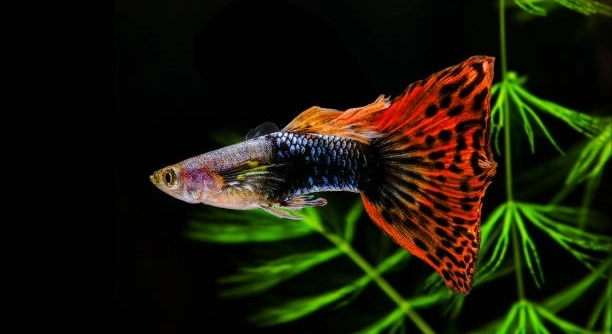
Are your guppies swimming fast in random directions and acting more frantic than usual? This sudden behavior can be worrying to watch. Understanding what’s going on is the first step in helping them feel safe again.
Guppies may dart randomly due to stress, poor water conditions, parasites, temperature shock, aggressive tank mates, sudden lighting changes, or lack of oxygen. Identifying the specific cause is essential to resolving the issue effectively and maintaining a healthy environment.
Recognizing the early signs of distress can help prevent further problems and keep your guppies active and content in their tank.
Stress from Sudden Changes
Guppies are sensitive to their environment. Sudden changes in water conditions, such as pH shifts, temperature drops, or a recent tank cleaning, can cause stress. This stress often shows up as darting or erratic swimming. Even loud noises or vibrations near the tank might scare them. If you’ve recently added new decorations, changed filters, or moved the tank, your guppies could be reacting to those disruptions. Try to keep their surroundings stable and calm. Monitoring water parameters regularly and avoiding quick changes can help keep your guppies comfortable. A stable tank helps them feel safe and behave normally.
Stress behaviors may include hiding, darting, clamped fins, or refusing food. These are early signs that something isn’t right in the tank.
Once stress sets in, guppies use quick, darting movements as a way to escape whatever is bothering them. Creating a predictable and peaceful tank setup will help reduce their anxiety and improve their behavior.
Poor Water Quality
Poor water quality is one of the most common reasons guppies dart around. When ammonia or nitrite levels spike, it affects their gills and causes discomfort.
Clean, safe water is key for healthy guppies. If the water quality drops, their behavior changes fast. Darting can be a reaction to irritation from toxins in the water. This happens when tanks are overstocked, filters aren’t cleaned, or waste builds up. Even uneaten food can cause harmful spikes. The best way to manage this is by testing your water regularly. Keep ammonia and nitrite at zero and nitrates as low as possible. Doing partial water changes each week and not overfeeding also help a lot. If you notice your guppies darting, test the water right away. Often, it points to something off in the tank. A sudden fix in water conditions can make a huge difference. Making sure your tank is well-cycled, not overcrowded, and cleaned on schedule will keep your guppies safe and swimming calmly.
Parasites and Infections
Parasites like gill flukes or external protozoa can irritate your guppies, making them dart around. Infections can also affect their behavior, especially if they’re struggling to breathe or feel itchy from skin issues.
If your guppy is darting and showing signs like rubbing against objects, clamped fins, or rapid breathing, parasites could be the reason. These tiny invaders cause discomfort and trigger panic-like movements. Quarantine any new fish before adding them to your tank, as parasites often spread through new arrivals. You can treat common external parasites with over-the-counter aquarium medications. Always follow dosage instructions carefully, and remove carbon from filters when medicating. Clean your tank well after treatment. Parasites are stressful, but with quick action, most guppies recover.
Bacterial or fungal infections may also cause guppies to act strangely. Look for redness, white patches, or bloating. Infections often appear after the fish’s immune system weakens from stress or dirty water. Treat promptly to avoid further problems.
Temperature Shock
Guppies are tropical fish and need warm, stable water. A sudden drop or spike in temperature can cause confusion and quick darting. This kind of shock can happen after a large water change or heater malfunction.
If your guppies dart around right after a water change, check the temperature. Cold or hot water can shock their system and trigger erratic behavior. Guppies prefer a consistent temperature between 74°F and 82°F (23°C–28°C). Using a reliable aquarium heater and thermometer helps prevent temperature swings. When doing water changes, make sure the new water is close in temperature to the tank. Even a few degrees off can cause stress. Also, keep the tank away from windows or vents to avoid sudden drafts or heat. Stable warmth keeps guppies comfortable and calm. Regularly checking and maintaining temperature can make a big difference in their behavior and overall health.
Aggressive Tank Mates
Aggressive fish can cause guppies to dart around the tank out of fear. If a fish keeps chasing or nipping at them, guppies will try to escape by swimming fast and unpredictably.
Watch for bullying behavior, especially from larger or territorial species. Separate aggressive fish if the guppies seem stressed.
Sudden Lighting Changes
A sudden change in lighting can startle guppies and make them dart. Turning the lights on or off too quickly may look like a threat to them.
Use a dim room light before switching the aquarium light on or off. This helps them adjust without panic or stress.
Lack of Oxygen
When oxygen levels drop, guppies may dart, gasp at the surface, or breathe heavily. Low oxygen usually happens in overstocked tanks or tanks with poor water flow.
Adding an air stone or adjusting your filter output can improve oxygen levels quickly. Plants can also help during the day.
FAQ
Why are my guppies swimming so fast and randomly?
Fast, random swimming is often a sign of stress or discomfort. This could be caused by poor water quality, sudden changes in the tank, temperature fluctuations, or aggressive tank mates. Make sure the water conditions are stable and check for any parasites or infections. Also, look out for environmental changes, like a noisy room or a new decoration in the tank. Stress relief starts with providing a stable, clean environment with plenty of hiding spots for your guppies.
How do I know if my guppies are stressed?
Signs of stress in guppies include erratic swimming, hiding, clamped fins, or refusal to eat. If the fish are darting or seem frantic, it’s a clear indicator that something is wrong. Stress can come from water quality issues, bullying fish, sudden changes, or an overcrowded tank. Keep an eye on their behavior and address any potential sources of stress immediately.
How can I reduce stress for my guppies?
To reduce stress, maintain stable water conditions by regularly testing for ammonia, nitrites, and pH. Ensure your tank isn’t overcrowded, and avoid sudden changes in temperature or water chemistry. Create hiding spots with plants or decorations to give guppies a place to retreat. Also, avoid loud noises near the tank and try to keep the environment calm and quiet. Regular water changes and a proper feeding routine can also keep your guppies happy and healthy.
Can guppies recover from being stressed?
Yes, guppies can recover from stress if the cause is addressed promptly. Once you resolve water quality issues or remove aggressive tank mates, they usually bounce back. Providing a stable environment with regular water changes and proper care will help them regain their normal behavior. However, if the stress lasts too long, it could weaken their immune system, making them more susceptible to diseases.
What should I do if my guppy has parasites?
If you suspect parasites, isolate the affected guppy in a quarantine tank and treat it with an appropriate medication. You can find parasite treatments at most pet stores. Be sure to follow the instructions carefully, as incorrect dosages can harm your fish. Clean the main tank thoroughly to prevent the spread of parasites. Regularly check your fish for any signs of infection to catch issues early.
How often should I clean my guppy tank?
It’s important to clean your guppy tank regularly to keep the water fresh. Perform partial water changes of about 20-30% every week. Clean the substrate and remove any debris or uneaten food. Rinse the filter monthly and check for any buildup. A well-maintained tank will help prevent water quality issues and reduce stress for your guppies.
Can sudden lighting changes hurt my guppies?
Yes, sudden changes in lighting can stress your guppies. If the light turns on or off too quickly, it may startle them, causing erratic behavior. Gradually adjust the light or use a dimmer to give your guppies time to adjust. Keeping lighting consistent helps them feel secure and less anxious.
What temperature do guppies prefer?
Guppies thrive in water temperatures between 74°F and 82°F (23°C–28°C). Sudden temperature changes can stress them out and cause darting. Use a reliable aquarium heater and thermometer to maintain a stable temperature. Avoid placing the tank in direct sunlight or near air conditioners, as these can cause temperature fluctuations.
Why do my guppies swim at the top of the tank?
Guppies swimming at the top of the tank could be looking for oxygen, especially if oxygen levels are low. It may also indicate water quality problems, like high ammonia or nitrites. Check the filter and aeration, and make sure the water is properly oxygenated. Sometimes, guppies may simply be exploring or looking for food at the surface.
Can guppies survive in cold water?
Guppies are tropical fish and can’t survive in cold water for long. Water temperatures below 60°F (15°C) can be harmful, slowing down their metabolism and causing stress. If your tank’s temperature is too low, use a heater to raise it to a range between 74°F and 82°F (23°C–28°C) to keep your guppies comfortable.
Final Thoughts
Guppies are delicate creatures that can be affected by many factors in their environment. Their darting behavior is often a sign that something isn’t right, whether it’s poor water quality, sudden temperature changes, or stress caused by other fish. By understanding the causes of this behavior, you can take the necessary steps to help your guppies feel more comfortable and calm in their tank. It’s important to be proactive in maintaining water quality, ensuring a stable environment, and watching for signs of illness or aggression from other fish.
Regular water changes, proper filtration, and maintaining a consistent temperature are all key to preventing stress in your guppies. It’s also essential to observe your guppies closely for any signs of infection or parasites, as these can cause them to act erratically. Keeping their tank clean and free of excess waste can go a long way in preventing health issues. If you notice anything unusual, it’s always best to address it as soon as possible. The earlier you spot a problem, the easier it is to fix and prevent further harm to your fish.
Ultimately, a calm and healthy environment is the best way to keep your guppies happy and free from stress. Regularly checking on your guppies, making sure their tank conditions are optimal, and creating a peaceful space for them to thrive will help them live long, healthy lives. By addressing issues like poor water quality, parasites, or aggression early, you’ll ensure your guppies can swim peacefully without darting around in distress.

Hello,
If you enjoy the content that we create, please consider saying a "Thank You!" by leaving a tip.
Every little bit helps us continue crafting quality advice that supports the health, happiness, and well-being of pets around the world, for pets of all shapes, sizes, and species.
We really appreciate the kindness and support that you show us!