
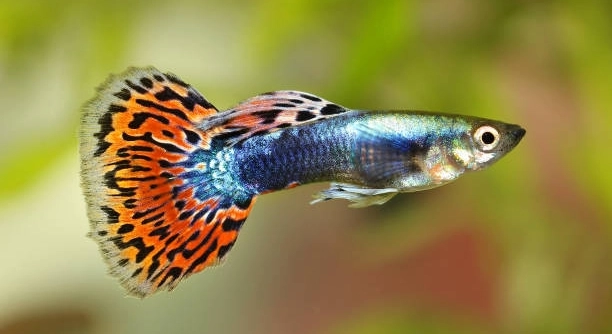
Guppies are beautiful and lively fish, but they require specific conditions to thrive. Ensuring a balanced tank ecosystem is essential to their well-being and health. This article outlines the top reasons why a proper ecosystem matters for guppies.
A balanced tank ecosystem is critical for guppies, as it provides a stable environment that supports their health, growth, and breeding. Proper filtration, water chemistry, and adequate plant and fish balance are essential for maintaining this ecosystem and preventing stress or illness.
Creating a healthy tank environment will promote the longevity and happiness of your guppies. Understanding these factors can help you build the perfect habitat for them.
Proper Filtration is Key for Guppies’ Health
Having a good filtration system is essential to keeping guppies healthy. A filter helps maintain clean water by removing harmful substances like ammonia and nitrates. This is crucial because guppies, like all fish, are sensitive to changes in water quality. Without proper filtration, the water can quickly become toxic, leading to stress, illness, or even death.
A well-maintained filter also keeps the water circulating, preventing stagnant areas where debris can build up. This encourages the growth of beneficial bacteria that break down waste, creating a healthier environment for guppies to live and breed in.
If your filter is not doing its job properly, guppies can suffer from poor water conditions, which affect their health. Regular maintenance and proper placement of the filter are important steps to ensure your guppies thrive in their tank.
The Importance of Stable Water Temperature
Water temperature is another important factor for guppies. They thrive in temperatures ranging from 72°F to 78°F. If the temperature fluctuates too much, it can cause stress, weaken their immune system, and even lead to disease. A reliable heater helps maintain the temperature consistently.
A sudden drop or increase in temperature can lead to illness or even death in guppies. Temperature stability is critical because it supports the balance of oxygen in the water, promotes healthy digestion, and helps them remain active. If the water is too cold, guppies may become lethargic, and if it’s too warm, they can suffer from a lack of oxygen.
Maintaining a stable water temperature is just as important as providing clean water. If you ensure that both are in balance, your guppies will be much healthier and more vibrant. This creates a comfortable and stress-free environment where they can thrive.
Proper Water Chemistry Is Crucial
Guppies are sensitive to changes in water chemistry, including pH, hardness, and alkalinity. Ideal pH levels for guppies fall between 7.0 and 8.0. Water that is too acidic or too alkaline can cause stress and impact their ability to breed.
Maintaining a stable pH ensures that the guppies’ biological functions operate properly. If the water is too hard or soft, it can affect their skin, scales, and overall health. It’s best to regularly test the water and adjust the chemical levels as needed, especially if you’re introducing new fish or plants.
To keep water chemistry balanced, use a quality water conditioner to neutralize harmful elements like chlorine or chloramine. This will help create an environment where guppies feel safe and healthy. Regular water changes will also help manage water quality and prevent the buildup of harmful substances.
Plant Life Supports Guppies’ Habitat
Plants in your guppies’ tank aren’t just for decoration. Live plants help absorb excess nutrients, improve water quality, and offer hiding spots for your fish. They also provide oxygen during the day, making the tank environment more comfortable for the guppies.
Plants can also help regulate the nitrogen cycle by taking up nitrates, preventing dangerous levels from accumulating in the water. This reduces the risk of algae blooms and maintains a healthier ecosystem. Additionally, plants give your guppies a place to rest, hide, or swim through, which reduces stress and helps them feel more secure.
Having a variety of plants in the tank will keep the environment dynamic and encourage natural behavior. While maintaining plant life does require some care, the benefits far outweigh the effort, making it an essential part of a balanced tank ecosystem for your guppies.
The Role of Tank Size
Tank size plays a significant role in creating a balanced ecosystem for guppies. A larger tank allows for better water circulation, more space for plants, and gives guppies room to swim freely. Crowded tanks lead to stress and poor water quality.
In a small tank, waste builds up quickly, making it harder to maintain stable water conditions. Guppies need enough space to move and maintain proper oxygen levels. Overcrowding can cause aggression and hinder natural behaviors, affecting their health. It’s important to choose an appropriately sized tank to keep guppies happy.
Avoiding Overfeeding
Overfeeding guppies can quickly lead to water pollution. Leftover food decays, releasing harmful substances into the tank. This can raise ammonia levels, which negatively affects water quality. Be sure to only feed what the guppies can consume in a few minutes.
Feeding smaller amounts regularly, rather than large portions at once, helps maintain the balance in the tank. Overfeeding also contributes to bloated guppies, which can cause health issues. Monitor feeding habits closely and adjust portions based on how much they consume. Reducing excess food prevents water contamination and ensures a healthier environment.
Tank Mates Matter
Choosing compatible tank mates is essential for maintaining harmony in the tank. Guppies are peaceful, but they can become stressed or even harmed by aggressive or overly large fish. Stick to peaceful, small species that won’t compete for food or territory.
FAQ
Why is water quality so important for guppies?
Water quality is crucial for guppies because it directly affects their health, behavior, and longevity. Poor water quality can lead to high levels of toxins such as ammonia, nitrites, and nitrates. These substances can cause stress, weaken the immune system, and lead to diseases. Regular water changes and filtration systems help maintain a clean, healthy environment for guppies, preventing the buildup of harmful chemicals.
How often should I change the water in my guppy tank?
For optimal health, water changes should be performed weekly or biweekly, depending on the tank size and number of fish. In smaller tanks with more guppies, water changes may need to be done more frequently to keep ammonia and other toxins in check. A 25-30% water change every week is generally recommended. This helps remove waste and replenish important minerals, ensuring your guppies live in a clean environment.
Can guppies live with other fish?
Yes, guppies can live with other fish, but compatibility is key. Guppies are peaceful fish, so it’s best to choose other non-aggressive, small fish that won’t harass them or compete for food. Avoid keeping guppies with large or territorial species, as this can lead to stress or injury. Peaceful tank mates like neon tetras or small mollies can make great companions for guppies.
How many guppies can I keep in a tank?
The general rule for stocking guppies is about 1 inch of fish per gallon of water. Since guppies are small, you can usually keep more in a tank compared to larger fish. For example, a 10-gallon tank could house about 10 guppies comfortably. However, always consider factors like filtration, tank mates, and overall space when determining stocking levels. Overcrowding can stress the fish and result in poor water quality.
What is the ideal temperature for guppy tanks?
Guppies thrive in water temperatures between 72°F and 78°F. This range supports their metabolism, activity levels, and immune system. A heater is recommended to maintain a consistent temperature, especially in cooler climates or fluctuating room temperatures. Sudden changes in temperature can cause stress and health problems, so keeping it stable is important.
Do guppies need plants in their tank?
Yes, live plants are beneficial for guppies. They provide oxygen, help filter the water by absorbing excess nutrients, and offer hiding spots for guppies. Plants also contribute to the tank’s natural look and help maintain a healthy ecosystem. Adding plants can also encourage natural behaviors in guppies, like swimming through plants or resting beneath them.
How can I prevent guppies from getting sick?
Preventing illness in guppies starts with maintaining good water quality, providing a balanced diet, and avoiding overfeeding. Regular water changes, proper filtration, and monitoring the temperature help create a stable, healthy environment. Quarantining new fish before introducing them to the tank can also prevent the spread of diseases. Additionally, observing your guppies for any signs of stress, unusual behavior, or physical changes can help catch potential health issues early.
Can I breed guppies in a community tank?
Yes, guppies can breed in a community tank, but it’s important to consider how to manage the population. Guppies are livebearers, meaning they give birth to live young. Without intervention, they can quickly overpopulate the tank. To avoid this, either remove male guppies or provide plenty of hiding spots for fry to survive. Some aquarium owners prefer to set up a separate breeding tank to give the fry a better chance to grow.
What is the best food for guppies?
Guppies are omnivores and need a balanced diet that includes both plant-based and protein-rich foods. High-quality fish flakes or pellets designed for guppies provide the necessary nutrients. You can also offer live or frozen foods like brine shrimp, daphnia, or bloodworms, which add variety and encourage natural hunting behaviors. Be sure to remove any uneaten food to maintain water quality.
Are guppies prone to diseases?
Like all fish, guppies can be susceptible to certain diseases, especially if their environment is not ideal. Common issues include fin rot, ich, and swim bladder disease. Maintaining clean water, proper filtration, and avoiding overcrowding can reduce the risk of these conditions. Quarantining new fish and providing proper nutrition will also help keep your guppies healthy.
How can I tell if my guppies are stressed?
Signs of stress in guppies include rapid swimming, erratic movements, hiding more than usual, or clinging to the surface or bottom of the tank. Stress can be caused by poor water quality, temperature fluctuations, overcrowding, or incompatible tank mates. Monitoring the environment and addressing the source of stress will help your guppies recover and thrive.
Can guppies live in a tank with no filter?
While guppies can survive in a tank without a filter, it is not ideal. A filter helps maintain clean water by removing waste and harmful chemicals. Without a filter, waste builds up quickly, leading to poor water quality and potential health problems. If you decide not to use a filter, you must change the water more frequently to prevent toxins from accumulating. However, using a filter is the best option for maintaining a healthy tank.
Final Thoughts
Maintaining a balanced tank ecosystem for guppies is essential for their health and well-being. It’s important to pay attention to water quality, temperature, and the overall environment to ensure a thriving habitat. By keeping water clean, providing adequate space, and offering the right food, you can support their natural behavior and extend their lifespan. The small adjustments you make can have a big impact on their overall health, making regular tank maintenance essential for guppy care.
Creating a balanced ecosystem also means considering tank mates and avoiding overcrowding. Too many fish in a small tank can lead to stress and poor water conditions, which affect the guppies. Choosing the right fish and ensuring that the guppies have enough space to swim freely will help maintain harmony in the tank. Plants also play a crucial role in maintaining a healthy environment, not only by enhancing the aesthetic but also by improving water quality. By providing hiding spots and oxygen, plants help reduce stress and make the tank a more comfortable space for your guppies.
The effort you put into maintaining the tank will reward you with healthy, active guppies. It’s all about creating a stable, balanced environment where they can thrive. Keeping the tank clean, monitoring water parameters, and offering the right diet will help prevent common health issues. With these basics in mind, your guppies can live a long, happy life. It’s not difficult to maintain a balanced ecosystem, and with consistency, your guppies will flourish for years to come.

Hello,
If you enjoy the content that we create, please consider saying a "Thank You!" by leaving a tip.
Every little bit helps us continue crafting quality advice that supports the health, happiness, and well-being of pets around the world, for pets of all shapes, sizes, and species.
We really appreciate the kindness and support that you show us!