
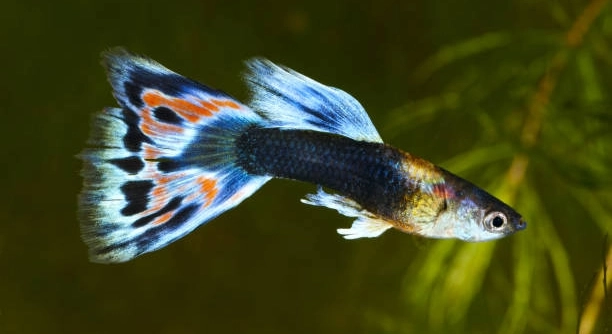
If you’ve noticed your guppy avoiding other fish, it could be a sign of underlying issues affecting their social behavior. Understanding these factors will help ensure your guppy remains happy and healthy in its aquatic environment.
Several factors may contribute to your guppy avoiding other fish, including stress, illness, or territorial disputes. Additionally, environmental conditions such as water temperature, tank size, and tankmates can influence their behavior and interactions.
Recognizing these causes will allow you to address the issue effectively and improve the well-being of your guppy in the long run.
Stress and Anxiety
Stress is one of the main reasons why guppies may avoid other fish. When guppies feel threatened or uncomfortable, they will isolate themselves from the rest of the tank. This can be caused by many factors, such as sudden changes in water conditions, the presence of aggressive tankmates, or even overcrowding. Guppies are sensitive creatures, and any shift in their environment can lead to anxiety. To reduce stress, it’s essential to maintain a stable tank environment. Regular water changes, proper filtration, and a balanced tank with compatible fish are crucial. A guppy in distress will often hide in corners or behind plants to feel safe. Monitoring water parameters such as pH, ammonia levels, and temperature will also help keep stress levels low.
Creating a stress-free environment is the first step toward resolving the issue. If the environment remains calm and stable, guppies will feel more confident interacting with other fish.
If your guppy is stressed, try adjusting its environment and removing any aggressive or overly dominant tankmates. With time, the guppy will likely regain its social behavior and feel more at ease with the other fish.
Illness or Injury
When a guppy is avoiding other fish, it might be due to an illness or injury. Sick fish often retreat from the group to rest and recover. Common signs of illness include faded colors, irregular swimming patterns, or physical damage.
Guppies can easily fall ill due to poor water quality or exposure to harmful pathogens. If you notice any changes in your guppy’s appearance or behavior, it’s essential to quarantine it and treat the issue promptly. Stress from overcrowding or poor tank conditions can also weaken their immune systems, making them more vulnerable to diseases.
If the tank has multiple fish, be sure to check if others are showing signs of illness. Infected fish should be separated to prevent the spread of disease. By maintaining a clean and healthy environment, you reduce the chances of your guppy developing health problems in the future.
Territorial Behavior
Guppies, like many other fish, can become territorial. If they feel that another fish is intruding on their space, they may avoid them to maintain their sense of security. This is especially common if the tank has limited hiding spots or decorations for the fish to establish their own territories.
A dominant guppy will often chase other fish away from specific areas of the tank. This behavior can lead to isolation, as the more submissive fish will seek refuge elsewhere. If this happens, consider rearranging the tank to disrupt territorial boundaries and provide more hiding spots for all fish. Adding plants or decorations will help create natural boundaries and reduce aggression.
In some cases, adding more hiding spots or introducing tankmates with compatible behavior can help. If the aggression is extreme, removing the dominant guppy temporarily might allow other fish to regain confidence and adjust their social behaviors. This can lead to a more peaceful environment where all the fish feel safe.
Tank Size and Environment
If your tank is too small, guppies may feel cramped and stressed. A small tank does not provide enough space for fish to establish territories, leading to conflict. It can also cause overcrowding, which increases stress levels for all the fish.
Guppies need enough room to swim freely and avoid feeling crowded. The general rule is to allow one inch of fish per gallon of water. If your tank is overcrowded, the fish are more likely to isolate themselves. A larger tank will reduce the chances of this happening and create a better living space for all fish.
Having a tank that is too small also affects the water quality, which can lead to illness and stress. Guppies will be more likely to avoid each other if the water is not properly filtered and maintained. Ensuring your tank is the right size and regularly cleaned will prevent these issues.
Water Quality
Water quality plays a major role in the behavior of your guppy. Poor water conditions, such as high ammonia or low oxygen levels, can cause stress and discomfort, leading them to avoid other fish. Keeping your water parameters stable is essential for a healthy tank.
Regular water changes, proper filtration, and monitoring water quality are necessary to keep your guppy happy. Unstable water conditions can weaken their immune systems, making them more susceptible to illness. Guppies will often hide or separate from others when they feel their environment is unsafe.
It’s crucial to test the water regularly, checking for ammonia, nitrites, nitrates, and pH levels. Ensuring proper filtration and using a reliable water conditioner will help keep the tank’s water clean and safe for your guppy.
Aggressive Tankmates
If your guppy is avoiding other fish, it could be due to aggression from tankmates. Certain species of fish are more aggressive, often chasing or nipping at smaller fish. This stress may cause your guppy to hide.
Aggressive tankmates can cause significant stress, making your guppy feel unsafe. When one fish bullies another, it disrupts the harmony in the tank. If your guppy is hiding from aggression, it’s best to reassess your tankmates and ensure all species are compatible.
Observe your fish’s behavior to determine if aggression is an issue. If necessary, remove the aggressor and replace them with a more peaceful species.
Overfeeding
Overfeeding is a common problem that affects water quality and can cause discomfort for your guppy. When too much food is added, it may lead to water contamination, making the environment unclean. Guppies may retreat from other fish if they feel uncomfortable.
Excess food can also lead to bloating or digestive issues in guppies, which might make them behave differently. To avoid this, feed your guppy only what it can consume in a few minutes. Remove any uneaten food promptly to prevent water contamination.
Overfeeding can also stress your guppy and disrupt its social behavior. Proper feeding habits can help maintain a healthy environment and ensure all fish feel comfortable in the tank.
FAQ
Why is my guppy hiding all the time?
If your guppy is hiding constantly, it could be stressed, sick, or feeling threatened. Guppies tend to retreat to a hiding spot when they feel insecure. Stress can come from poor water quality, aggression from other fish, or sudden changes in their environment. To resolve this, ensure your tank is clean, the water is properly filtered, and the temperature is stable. Consider adding more plants or decorations for hiding spots and making the environment more comfortable. Additionally, check for signs of illness or injury that could cause your guppy to isolate itself.
What can cause a guppy to avoid other fish?
Several factors can lead to a guppy avoiding other fish. The most common reasons include stress, illness, or territorial behavior. If your guppy feels overwhelmed by aggressive tankmates or is in a cramped environment, it may avoid interaction with others. Also, factors like water quality, temperature, and overcrowding can increase stress and lead to isolation. It’s important to assess your tank’s setup and make necessary adjustments to reduce stress and encourage social behavior.
Can male guppies be aggressive?
Yes, male guppies can sometimes exhibit aggressive behavior. This is often due to competition for mates, especially when there are too many males in a tank. They may chase and harass females, or even other males, to establish dominance. To reduce aggression, consider having a balanced male-to-female ratio and ensure there are plenty of hiding spots in the tank. This allows the fish to establish their own territories and avoid constant stress from aggression.
How do I know if my guppy is sick?
Signs that your guppy may be sick include faded colors, lethargy, erratic swimming, or spots on its body. Sick guppies might also show signs of swelling, bloating, or damaged fins. They may stop eating or show changes in their behavior, such as hiding or staying at the surface of the water. If you notice any of these symptoms, it’s important to separate the sick fish from the others and treat it in a quarantine tank. Check the water quality and make necessary adjustments to ensure it’s conducive to the health of all your fish.
Can water temperature affect my guppy’s behavior?
Yes, water temperature can significantly affect your guppy’s behavior. Guppies prefer a stable temperature between 72-82°F (22-28°C). If the water is too cold, guppies may become sluggish, avoid interaction, or even stop eating. On the other hand, water that’s too warm can cause stress, making your guppy seek cooler areas or hide. A heater in the tank will help maintain a consistent temperature. If the temperature fluctuates too much, your guppy may avoid other fish or become more reclusive.
Do guppies get along with other fish?
Guppies are generally peaceful and social fish, making them compatible with most non-aggressive species. However, they might not get along with overly aggressive or fin-nipping fish, such as some types of tetras or cichlids. Additionally, guppies are small and may feel threatened by larger fish. When choosing tankmates for your guppy, ensure they are of similar size and temperament to avoid conflicts. Also, providing enough hiding spots for your guppies can help reduce stress and encourage peaceful coexistence.
Why is my guppy not eating?
If your guppy isn’t eating, it could be a sign of stress, illness, or poor water quality. Stress from aggressive tankmates or overcrowding can cause a guppy to lose its appetite. Illnesses such as parasites or internal infections can also cause them to stop eating. If the water quality is poor, your guppy may avoid food because it’s uncomfortable. Ensure your tank has clean, filtered water and a stable temperature. Observe your fish closely to check for signs of illness. If your guppy continues to refuse food, consider isolating it in a quarantine tank for treatment.
Can overcrowding cause a guppy to avoid other fish?
Yes, overcrowding is a common cause of stress for guppies. When too many fish are in a small tank, guppies may feel cornered and stressed, leading them to avoid interaction with others. Overcrowding can also lead to poor water quality, which further exacerbates the problem. To prevent this, ensure your tank is appropriately sized for the number of fish. A good rule of thumb is one inch of fish per gallon of water. More space and proper filtration will help your guppy feel comfortable and encourage social behavior.
Is it normal for guppies to hide during the day?
Guppies are generally active during the day, but it’s not uncommon for them to hide if they feel threatened or stressed. This could be due to aggression from other fish, poor water conditions, or illness. If your guppy is hiding consistently, assess its environment for potential causes. Check for aggressive tankmates, overcrowding, or poor water quality, all of which could make your guppy feel unsafe. Creating more hiding spots and ensuring a stable tank environment may encourage your guppy to feel more secure and interact with other fish.
Why do guppies swim in one area of the tank?
If your guppies are swimming in a specific area of the tank, it could be due to a variety of reasons, such as seeking food, warmth, or a secure spot. Guppies tend to swim where the current is weaker or near decorations that offer shelter. This behavior can also indicate that the water conditions in other areas are not ideal, such as poor oxygen levels or temperature fluctuations. Ensure that your tank has proper filtration and temperature regulation, and that there are enough hiding spots throughout the tank. This will help your guppies feel more comfortable and spread out.
Final Thoughts
Understanding why your guppy is avoiding other fish involves assessing several factors that can affect their behavior. It’s important to consider the overall health of your guppy, the water quality, and the tank environment. Fish are sensitive to changes in their surroundings, and even small shifts can cause stress or discomfort. By paying close attention to your guppy’s needs, you can make adjustments that promote a healthier and more peaceful environment. Healthy water conditions, suitable tankmates, and a stress-free environment can encourage your guppy to interact with others more comfortably.
If your guppy continues to avoid other fish, it’s worth re-evaluating their living conditions. Check the water regularly for signs of poor quality, such as high ammonia, nitrates, or unstable pH levels. Providing a stable environment where the temperature, filtration, and oxygen levels are consistent can help reduce stress. Additionally, it’s helpful to look at the tankmates to ensure they are not causing your guppy to feel threatened. Aggressive or overly dominant fish can create tension, causing your guppy to retreat or act shy. Giving your guppy a calm, peaceful tank environment will allow it to thrive and interact more comfortably.
In the end, every guppy is different, and what works for one might not work for another. It’s important to observe your fish and adjust care practices based on their behavior. Over time, you’ll learn what makes your guppy feel safe and happy. Whether it’s improving water quality, adjusting the tank’s layout, or removing aggressive tankmates, making these changes can help encourage your guppy to interact with others. By paying attention to their needs and providing a suitable environment, you’ll create a space where your guppy can live peacefully and happily.

Hello,
If you enjoy the content that we create, please consider saying a "Thank You!" by leaving a tip.
Every little bit helps us continue crafting quality advice that supports the health, happiness, and well-being of pets around the world, for pets of all shapes, sizes, and species.
We really appreciate the kindness and support that you show us!