
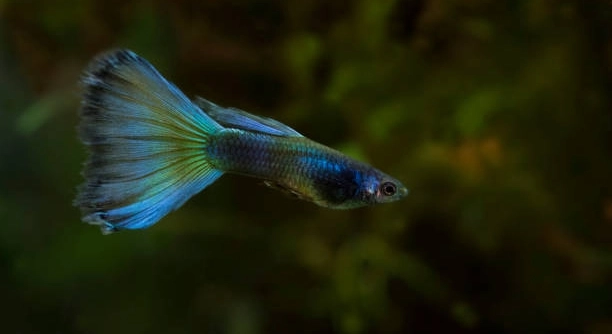
Do your guppies seem to be rubbing against leaves in your aquarium? This behavior can be concerning for aquarium owners and may signal various issues related to their health or environment.
Guppies rubbing on leaves often indicates irritation or discomfort caused by factors such as parasites, water quality, or injuries. These behaviors may also arise due to stress or inappropriate water conditions, and addressing the root cause is essential for their well-being.
Understanding these causes can help prevent further complications and ensure the health of your guppies. Keep reading to find out the possible reasons behind this behavior.
Poor Water Quality
If your guppies are rubbing on leaves, it could be a sign of poor water quality. Guppies are sensitive to changes in water parameters such as temperature, pH, ammonia, and nitrite levels. When water conditions are not ideal, it can irritate their skin and gills, prompting them to rub against objects in the tank. To ensure water quality, perform regular water changes and monitor water parameters using test kits.
Inadequate filtration and overfeeding can also contribute to poor water quality. When leftover food and waste accumulate, they break down into harmful substances that affect the overall health of the tank. Make sure your aquarium is equipped with an appropriate filter and that you are not overfeeding your fish. A proper filtration system helps remove toxins and maintain a clean environment.
Maintaining stable water quality is crucial for the health of your guppies. They need a clean and balanced environment to thrive. Check the water parameters regularly, clean the filter, and perform water changes as needed to prevent irritation and stress in your guppies.
Parasites
Parasites are another common reason why guppies rub on leaves. External parasites, such as ich or flukes, can cause severe irritation to fish. When infested, fish may exhibit signs of discomfort, such as rubbing against objects, rapid gill movement, or excessive scratching. These parasites often attach themselves to the fish’s skin, fins, or gills, leading to inflammation and irritation.
If you suspect parasites, it’s essential to act quickly. Use aquarium-safe treatments specifically designed to target parasites, and be sure to follow the instructions carefully. Additionally, isolate infected fish to prevent the spread of parasites to healthy guppies. Regularly inspecting your fish for signs of parasites will help identify and address issues before they become more severe. Early treatment is key to ensuring the health of your guppies.
Skin Irritations or Injuries
Guppies may rub on leaves due to skin irritations or injuries. Scratches from rough surfaces or aggressive interactions with other fish can cause discomfort. Rubbing against objects like leaves can help them relieve the itching sensation.
Check for visible signs of injury on your guppies, such as torn fins or cuts on their body. Minor injuries usually heal on their own, but if the injury is severe, it may require treatment to prevent infection. Adding salt to the water can also help promote healing and reduce stress.
Ensure your aquarium environment is safe, with no sharp objects or aggressive tankmates. If you notice any abnormal behavior or wounds, it’s essential to monitor your fish closely and treat accordingly. Rubbing behavior caused by skin irritations should subside once the fish heals.
Stress
Stress is another factor that may lead to rubbing behavior in guppies. Fish experience stress from various sources such as overcrowding, poor water conditions, or aggressive tankmates. When stressed, guppies may exhibit abnormal behaviors, including rubbing against objects.
Overcrowding in an aquarium can lead to territorial disputes or insufficient swimming space. If your tank is too small or too many fish are present, consider reducing the population to ease stress. Additionally, creating hiding spots and plants in the tank provides your guppies with a sense of security, reducing anxiety.
Stress also weakens the immune system, making your guppies more vulnerable to diseases and infections. By managing their environment, you can help reduce stress and avoid behaviors like rubbing.
Water Temperature Fluctuations
Rapid changes in water temperature can cause stress and discomfort for guppies, leading to rubbing behavior. Guppies are sensitive to temperature shifts and may react by rubbing on leaves or other objects.
Ensure the tank temperature remains stable, ideally between 72°F and 82°F. Sudden drops or increases in temperature can trigger stress and immune system issues. Use a reliable heater and thermometer to monitor the water temperature. Avoid placing the aquarium near windows or heaters where temperature fluctuations are common.
Poor Diet
A poor diet can affect your guppies’ health, leading to abnormal behaviors like rubbing. Inadequate nutrition weakens their immune system, making them more susceptible to skin irritation or diseases.
Offer your guppies a balanced diet that includes high-quality flakes, pellets, and occasional live or frozen foods. Ensure they receive a variety of nutrients, such as vitamins and proteins, to maintain their health. A proper diet strengthens their immune system and can reduce the likelihood of rubbing behavior caused by nutritional deficiencies.
Tank Maintenance
Neglecting tank maintenance can lead to issues that cause guppies to rub against objects. Dirty tanks can harbor bacteria, algae, and parasites, all of which can irritate your fish’s skin.
Regularly clean the tank by removing waste, debris, and algae buildup. Perform weekly water changes to keep water conditions stable. A clean tank reduces the risk of skin irritations and infections, helping your guppies stay healthy. Proper tank maintenance also supports a more enjoyable environment for both you and your fish.
FAQ
Why are my guppies rubbing against objects in the tank?
Rubbing against objects like leaves can be a sign of irritation or discomfort in guppies. Common causes include poor water quality, parasites, skin injuries, or stress. They may rub to relieve itching or irritation caused by external factors. If this behavior persists, it’s important to check the water conditions, look for any signs of parasites or injury, and assess whether your guppies are stressed due to overcrowding or poor tank conditions.
Can rubbing against objects be a sign of a disease?
Yes, rubbing against objects can indicate a disease or infection, particularly external parasites like ich, gill flukes, or velvet. These parasites attach to the skin, gills, or fins of your guppies, causing irritation. If you notice other signs like spots, abnormal swimming, or increased gill movement, it’s important to treat the tank with appropriate medications to address the infection and prevent it from spreading to other fish.
How can I prevent my guppies from rubbing on leaves?
Prevent rubbing behavior by ensuring stable water quality. Regular water changes, proper filtration, and monitoring of water parameters (pH, ammonia, nitrites, and temperature) help keep the environment healthy. Avoid overcrowding, maintain appropriate tank size, and make sure your guppies are not exposed to aggressive tankmates. Proper tank maintenance and a balanced diet can also prevent conditions that might lead to rubbing behavior.
Is rubbing a sign of boredom in guppies?
Rubbing is generally not associated with boredom, but stress and discomfort. Guppies may rub against objects due to poor water quality, injuries, or parasitic infections. However, if your guppies are in a tank that lacks hiding spots or enrichment, they might exhibit unusual behavior due to stress. Adding plants, decorations, or hiding spots can provide them with a sense of security and reduce stress-related behaviors.
How do I treat skin injuries or wounds in guppies?
If your guppies are rubbing due to skin injuries or wounds, the first step is to check for visible damage. Minor injuries usually heal on their own if the water quality is optimal. To support healing, consider adding aquarium salt to the water to reduce stress and promote recovery. If the injury is severe or shows signs of infection, consider isolating the affected fish and treating it with appropriate medications.
What should I do if my guppies have parasites?
If you suspect your guppies have parasites, isolate the infected fish and treat the tank with anti-parasitic medications. Follow the instructions carefully to avoid harming healthy fish. It’s important to also address the cause of the infestation, which could be linked to poor water quality or stress. Regularly inspect your fish for signs of parasites, and maintain good tank hygiene to prevent future outbreaks.
Can stress make my guppies rub on leaves?
Yes, stress can cause guppies to rub on leaves or other tank objects. Stress can be triggered by various factors, including poor water quality, overcrowding, aggressive tankmates, or a lack of hiding spaces. When guppies are stressed, they may rub against objects to relieve the discomfort. Reducing stress by maintaining stable water conditions and providing an appropriate tank setup can help prevent this behavior.
How do I know if the water quality is causing rubbing behavior?
Test the water parameters regularly to ensure that they are within the recommended range for guppies. If you find elevated levels of ammonia, nitrites, or nitrates, or if the pH or temperature is unstable, it could be affecting your guppies. Poor water quality can irritate their skin and gills, leading to rubbing behavior. If the water conditions are off, perform a partial water change and adjust the tank setup to restore proper levels.
What are the best ways to improve my guppies’ diet?
Feed your guppies a balanced diet consisting of high-quality fish flakes or pellets as a staple food. Supplement their diet with occasional live or frozen foods, such as brine shrimp or bloodworms, for variety. Ensure the food is small enough for your guppies to consume easily. A well-rounded diet supports their immune system, helping prevent diseases that could lead to rubbing behavior. Avoid overfeeding, as excess food can degrade water quality.
Is overcrowding a problem for my guppies?
Yes, overcrowding can cause stress and lead to abnormal behaviors such as rubbing on objects. Guppies need enough space to swim freely, and having too many fish in a tank can create competition for territory and food. This can increase stress and lead to physical injuries or skin irritations. Make sure to maintain an appropriate stocking level based on your tank size, typically one inch of fish per gallon of water.
Can rubbing behavior be a sign of boredom?
While rubbing behavior is primarily linked to discomfort or irritation, guppies may engage in unusual behavior if they are bored or under-stimulated. A lack of enrichment, such as plants or hiding spots, can cause stress, which may lead to rubbing. Adding decorations, plants, or other tank mates can create an environment that reduces boredom and improves your guppies’ well-being.
How do I prevent parasites from infecting my guppies?
To prevent parasites, ensure that new fish are quarantined before introducing them to your main tank. This helps reduce the risk of introducing parasites into the environment. Regularly clean your tank, remove excess food, and replace old water. If you notice any signs of parasites, treat the tank promptly with suitable medication. Proper tank maintenance and a stable environment are key to preventing future outbreaks.
Should I remove my guppy if it is rubbing on leaves?
If only one guppy is exhibiting rubbing behavior, it may be a good idea to isolate it in a quarantine tank. This will help prevent any potential spread of disease to other fish. If the cause of the rubbing is parasites or injury, isolation will allow you to treat the fish without affecting the rest of the tank. Always check the water quality and perform necessary treatments to address the issue.
Final Thoughts
Rubbing behavior in guppies can stem from various causes, including poor water quality, stress, parasites, or even injuries. Identifying the root cause is crucial for resolving the issue and ensuring your fish remain healthy. Regular tank maintenance, such as cleaning the tank, monitoring water parameters, and avoiding overcrowding, plays a significant role in preventing such problems. Healthy, well-maintained tanks create a stable environment where guppies can thrive, minimizing the chances of stress or discomfort that may lead to rubbing.
Providing your guppies with a proper diet and monitoring their behavior closely also helps in preventing these issues. Offering a balanced diet rich in essential nutrients supports their immune system, making them less prone to illnesses that could lead to rubbing. Stress, often caused by aggressive tankmates, inadequate space, or environmental factors, should also be managed to keep your guppies comfortable. Having appropriate hiding spots, plants, and decorations can create a more secure environment for them to reduce stress. Additionally, isolating sick or stressed fish in a quarantine tank allows you to treat them without affecting the rest of the aquarium.
If rubbing persists despite making the necessary adjustments, consider consulting with an aquarium professional or veterinarian. They can provide further insight into the specific needs of your guppies, ensuring their health and well-being are properly addressed. By staying proactive and attentive, you can create a safe and comfortable home for your guppies, promoting their happiness and longevity in your aquarium.

Hello,
If you enjoy the content that we create, please consider saying a "Thank You!" by leaving a tip.
Every little bit helps us continue crafting quality advice that supports the health, happiness, and well-being of pets around the world, for pets of all shapes, sizes, and species.
We really appreciate the kindness and support that you show us!