
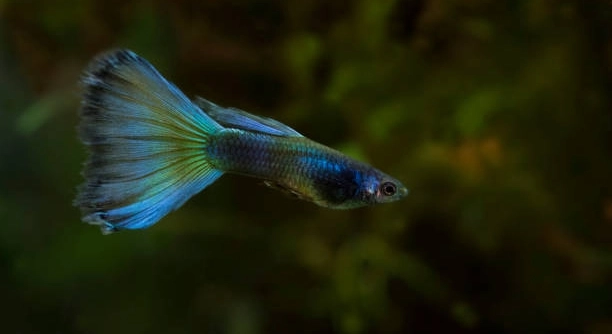
Is your guppy fry moving slowly or struggling to stay upright in the tank? Watching them swim weakly can be worrying for any fish keeper. It may be a sign something isn’t quite right.
Weak swimming in guppy fry is often caused by poor water quality, improper diet, overcrowding, sudden temperature changes, genetic issues, disease, or stress from tankmates. Identifying the exact cause helps provide the appropriate care and improve their condition.
Understanding these causes can help you create a safer and healthier environment for your guppy fry to grow strong and thrive.
Poor Water Quality
Newborn guppies are especially sensitive to water conditions. If ammonia, nitrites, or nitrates are out of balance, fry can show signs of distress like weak swimming or even gasping near the surface. Unstable pH or unfiltered tanks can also lead to stress. It’s important to check your water parameters regularly using a reliable test kit. A small, consistent tank with a gentle filter and regular water changes goes a long way. Make sure chlorine or chloramine from tap water is properly neutralized. Even small traces can affect their health. A weak swimming fry might just be struggling to breathe or move in harmful water.
Look for signs like cloudy water, foul odors, or fry hovering near the surface. These are all indicators your tank may not be safe.
Correcting water issues early prevents lasting damage. Guppy fry grow fast in clean tanks, but only if they have consistent and safe water to support their development.
Inadequate Nutrition
Guppy fry need protein-rich meals in small portions several times a day. Without the right food, they lack the energy to swim and grow properly.
A weak swimmer might be missing out during feeding time or not getting enough of the right nutrients. It’s not just about quantity—it’s about quality too. Crushed flake food isn’t always enough. Fry do better with baby brine shrimp, powdered fry food, or specialized liquid feeds. Poor appetite or competition from other tankmates can cause some to eat less. Separate them if needed, and feed often but in small amounts to avoid polluting the tank. If fry look thin, pale, or are hovering at the bottom, it’s likely a feeding issue. Observe who’s eating and who’s not. Healthy fry are active, with rounded bellies and smooth movement. Those swimming weakly or floating near the top may be underfed or missing critical nutrients like protein and fat.
Overcrowded Tank
Too many fish in a small tank can limit oxygen levels and create constant competition for space and food. Guppy fry may struggle to swim properly when there’s not enough room to move or rest without being disturbed.
Overcrowding also leads to increased waste, which lowers water quality faster than usual. Even with frequent cleaning, a packed tank can’t stay balanced for long. Fry need calm, open space to swim freely without dodging larger fish or tank mates. Stress from crowding can cause them to become sluggish or hide more often. A separate breeding or nursery tank is a great way to prevent this issue and allows them to develop without pressure. Use a sponge filter to keep water movement soft but clean. Monitoring tank population early on will help fry avoid unnecessary stress and grow into healthy adults with strong swimming abilities.
Try to maintain a separate space just for fry when possible. Even a small tank with basic filtration and a heater is enough for a dozen young guppies. Keep decorations minimal to maximize open water, and avoid pairing fry with larger or aggressive fish. Peaceful surroundings can noticeably improve their energy and mobility within days.
Temperature Fluctuations
Inconsistent water temperatures can make guppy fry slow and unresponsive. Sudden drops in warmth often lead to sluggish swimming, as fry rely on stable conditions to regulate their energy and metabolism.
Heaters help, but they aren’t always accurate. Use a separate thermometer to double-check the temperature daily. Fry do best between 76°F and 80°F. If the water shifts outside this range, even slightly, their behavior may change quickly. Slow swimming, shivering motions, or laying on the bottom are warning signs. Tanks near windows, vents, or heaters can change temperature more often than you think. If fry are struggling, try relocating the tank or adjusting airflow in the room to maintain stability. A consistent, warm environment helps fry use their energy for growth instead of survival.
A digital thermostat or preset heater can make a big difference in keeping the water safe. Without it, nighttime drops or daily swings might go unnoticed until fry start weakening. Even stable rooms can have unexpected changes due to weather or heating systems. Fry are especially sensitive, and what feels fine to adult fish might be too unstable for them. With steady warmth, you’ll see fry perk up and swim more confidently.
Genetic Weakness
Some guppy fry are born with weak immune systems or poor body structure due to inbreeding or weak parental stock. These fry may struggle from the start, showing signs like slow swimming, poor feeding, or stunted growth early on.
There’s not always a way to fix genetic issues. Fry born with deformities or low energy might never catch up, even in perfect conditions. Breeding from strong, healthy adults reduces the chances of passing down weak traits.
Illness or Parasites
Internal or external parasites, bacterial infections, or fungal problems can make fry swim weakly. Look for signs like clamped fins, color changes, or tiny spots on the body. These symptoms usually show up along with a loss of appetite or unusual behavior.
Treating fry for illness can be tricky since they’re delicate and don’t tolerate strong medications well. Quarantine the affected fry if possible, and look for fry-safe treatments like mild antifungals, salt baths, or commercial medications labeled for fry use. Catching the illness early gives them the best chance to recover and swim normally again.
Stress From Tankmates
Larger or more active fish can intimidate guppy fry, causing them to stay hidden or swim weakly out of fear. Even peaceful adult guppies may chase or compete with fry if they share a space too long.
FAQ
How can I tell if my guppy fry is just resting or actually weak?
Healthy guppy fry may pause or rest briefly, usually staying upright and responsive. Weak fry tend to sink, float oddly, or lie at the bottom for long periods without much movement. If they don’t respond to nearby motion or food, they may be unwell. Healthy fry usually perk up quickly when food is offered or when the tank is lightly tapped. If your fry barely reacts or swims in a shaky way, it’s likely not just resting.
Can overfeeding cause weak swimming in fry?
Yes, overfeeding can lead to poor water quality and bloating, both of which can make fry weak or sluggish. When food breaks down in the tank, ammonia levels rise and affect oxygen availability. Fry may stop swimming and start hovering in corners. Bloating also makes it hard for them to stay balanced in the water. Feed small portions multiple times a day and remove uneaten food quickly to avoid this issue.
Is it normal for some fry to be weaker than others?
It’s common to see some variation. Not all fry will grow or swim at the same pace, especially in the first few weeks. Some are naturally smaller or slower due to genetics or limited access to food early on. If the weaker ones are still eating and active, they may catch up later. However, if they stay behind while others grow fast, it may be a sign of a deeper issue such as illness or genetic limitations.
What kind of filter is best for guppy fry?
A sponge filter is the safest choice. It provides gentle filtration without sucking fry into the intake. Strong filters can cause too much water flow, which tire out weak swimmers or pull them into dangerous areas. Sponge filters also offer surfaces for beneficial bacteria and reduce water stress. Keep water flow soft and steady to help fry swim more easily. You can also baffle the outflow of other filters if a sponge filter isn’t available.
How long should I separate guppy fry from adults?
Fry should stay in a separate tank or breeding box until they are too large to be eaten—usually around four to six weeks. During this time, they’re less likely to be bullied or outcompeted. Once they grow to about half the size of adult guppies and show stable swimming, they can be moved. Watch their behavior closely during the first few days back in the main tank.
Can weak swimming be a sign of oxygen shortage?
Yes, if the tank is poorly aerated or overcrowded, fry may not get enough oxygen. This causes them to slow down, gasp near the surface, or swim with effort. Add an air stone or increase surface agitation to improve oxygen exchange. Cooler water also holds more oxygen, so keeping the tank within the fry-safe range can help. Weak movement combined with rapid gill motion is a common sign of low oxygen levels.
Do fry need live plants in their tank?
Live plants aren’t required but can be helpful. They offer hiding spots, help with oxygen levels, and absorb some waste. Guppy fry feel more secure when they can hide, which reduces stress and improves swimming behavior. Plants like java moss or guppy grass are great options. These don’t require much care and are safe for small tanks. Avoid sharp or stiff plants that could injure fragile fry or get in their way.
Why are some fry swimming in circles or upside down?
This behavior usually points to a swim bladder issue, which affects their buoyancy. It can be caused by overfeeding, poor water quality, or a physical defect. If it’s food-related, a short fast or offering shelled peas (for older fry) may help. For young fry, maintaining clean, warm water is the best remedy. If the condition continues without improvement, it may be a permanent problem due to genetics or early damage.
Is it safe to use salt to treat weak guppy fry?
Aquarium salt can help in mild cases of stress or infection, but it must be used carefully with fry. Too much salt can harm them. Use only small doses—about 1 teaspoon per 5 gallons—and dissolve it fully before adding it to the tank. Avoid frequent or long-term use. Always observe the fry closely after treatment, and stop if they show signs of distress.
Should I remove fry that seem too weak to survive?
This depends on your goals. If you’re trying to raise as many fry as possible, separate the weak ones into a recovery tank with soft filtration and extra attention. If you’re maintaining a healthy line or population, some aquarists choose to let nature take its course and focus care on the stronger individuals. Either way, make sure the weak fry don’t get picked on or block access to food for others.
Final Thoughts
Seeing your guppy fry swim weakly can feel discouraging, especially when you’re doing your best to care for them. However, it’s important to remember that there are many possible reasons behind this behavior. It could be something simple like water temperature or diet, or it may be linked to more serious causes like disease or genetic issues. The good news is that many of these problems can be fixed with simple changes. With patience and steady care, most fry can grow stronger and more active over time.
Start by checking the tank’s basic conditions—water quality, temperature, oxygen levels, and filtration. These are some of the most common sources of stress and poor swimming. A small problem, such as leftover food or strong water flow, can affect young fry more than it would adult fish. Make sure they have calm, clean water and access to food in small amounts throughout the day. Also, observe them closely. Weak swimming combined with clamped fins, odd positions, or a lack of interest in food may point to a health issue that needs quick attention.
Raising guppy fry takes time, and not all of them will grow at the same pace. Some may remain smaller or less active for longer, and a few might not survive even in the best conditions. While this is part of the process, it doesn’t mean you’re doing anything wrong. Give them space, shelter, and a stress-free environment so they can develop properly. If a fry does not improve or seems to struggle despite your efforts, it’s okay to focus your attention on those that are growing stronger. Taking these steps will not only help your fry now but will also prepare you better for raising healthy guppies in the future.

Hello,
If you enjoy the content that we create, please consider saying a "Thank You!" by leaving a tip.
Every little bit helps us continue crafting quality advice that supports the health, happiness, and well-being of pets around the world, for pets of all shapes, sizes, and species.
We really appreciate the kindness and support that you show us!