
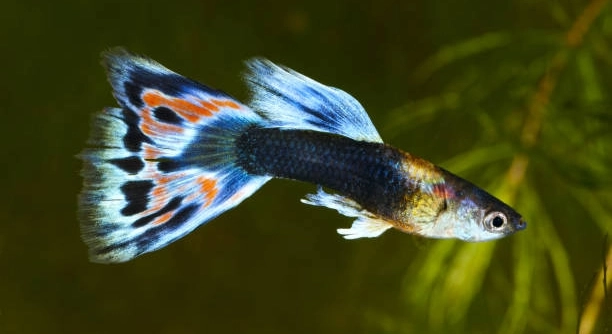
Guppies are popular fish, known for their colorful appearance and lively nature. However, if you notice them sticking to the tank floor, it could signal a few potential issues. Understanding these causes is important for their well-being.
Guppies may stick to the tank floor due to factors such as poor water quality, stress, or health issues. Changes in the environment, water temperature, or inadequate tank conditions can also contribute to this behavior. Ensuring a clean, stable environment is essential.
By understanding these causes, you can take proactive steps to improve your guppies’ health and comfort in the tank.
Poor Water Quality
One of the most common reasons guppies stick to the floor is poor water quality. High levels of ammonia, nitrites, or nitrates in the water can stress them out, leading to abnormal behavior. Dirty or unfiltered water reduces oxygen levels, making it harder for guppies to swim properly. Regular water changes are key to maintaining a healthy environment.
If you notice your guppies staying near the tank floor, it could be a sign of poor water quality. Make sure to check the water parameters regularly with a testing kit. Ammonia and nitrites should always be at zero, while nitrates should remain below 20 ppm. Additionally, use a high-quality filter to keep the water clean and oxygenated.
Maintaining water quality is essential for all aquarium fish, not just guppies. A clean tank with the right water conditions will prevent stress, encourage natural swimming behaviors, and promote overall health. It’s vital to keep the tank environment consistent to avoid sudden changes.
Stress
Stress can cause guppies to exhibit unusual behavior, such as sticking to the tank floor. Various factors, including tank mates, sudden changes in the environment, or overcrowding, can stress your fish.
Guppies are sensitive to their surroundings. If there’s too much noise or movement near the tank, or if they feel threatened by other fish, they may become stressed. Overcrowding is another factor that can lead to stress, as it limits the available space for swimming and hiding.
To reduce stress, ensure your guppies are in a calm, quiet environment. Provide plenty of hiding spots and avoid keeping aggressive fish in the same tank. Keep the tank size appropriate for the number of guppies, and allow them to swim freely.
Low Water Temperature
If the water temperature is too low, guppies may become sluggish and stick to the tank floor. Guppies prefer a water temperature between 72°F and 82°F (22°C to 28°C). Lower temperatures can slow down their metabolism and cause abnormal behavior.
When the water is too cold, your guppies might not have the energy to swim properly. This can lead to them resting on the bottom of the tank, trying to conserve heat. Use a reliable aquarium heater to maintain the proper temperature range, ensuring they remain active and healthy.
Maintaining a consistent water temperature is crucial for their well-being. Sudden temperature drops or fluctuations can stress your fish and impact their immune system. It’s important to check the water temperature regularly and avoid drastic changes. This will help prevent your guppies from becoming lethargic and encourage their natural swimming behavior.
Illness or Injury
If your guppies are sticking to the bottom of the tank, illness or injury may be the cause. Conditions like swim bladder disease, internal parasites, or bacterial infections can affect their ability to swim properly.
Injuries, such as torn fins or wounds, can also make it difficult for guppies to move around. When they’re unable to swim properly, they may seek comfort at the bottom of the tank. It’s important to closely monitor their behavior and physical appearance for any signs of illness, such as bloating or lesions. If you notice these signs, quarantine the affected fish and seek advice from an aquarium specialist.
Preventing illness involves maintaining clean water, offering a balanced diet, and avoiding stress. If you suspect a health problem, promptly treat the water or consult a vet to address the issue.
Overfeeding
Overfeeding your guppies can lead to unhealthy behavior, such as sticking to the bottom of the tank. Excess food decomposes, lowering water quality and causing stress to the fish.
If guppies are fed more than they can consume, it often leads to uneaten food sinking to the bottom. This can cause the water to become polluted, affecting their health. Ensure you feed them only what they can finish in a few minutes.
It’s also important to maintain a proper feeding schedule. Avoid feeding your guppies multiple times a day, as it may lead to overfeeding. A consistent feeding routine helps prevent excess food buildup in the tank.
Poor Tank Conditions
Dirty tanks, outdated filtration systems, or overcrowding can affect guppy behavior. Poor tank conditions create a stressful environment, leading to the fish sticking to the bottom.
A well-maintained tank with adequate filtration ensures that the water stays clean and oxygenated. If your guppies have less space to swim or live in dirty water, they are more likely to stay close to the bottom of the tank. Regular maintenance, including cleaning the tank and changing the water, is essential for keeping guppies active and healthy.
Water Chemistry Imbalance
An imbalance in water chemistry can be harmful to guppies. Issues like fluctuating pH levels, high hardness, or low oxygen can lead to unusual behavior.
Test the water regularly to ensure that the pH is stable and within the ideal range for guppies, which is typically between 7.0 and 8.0. Correct any imbalances promptly to avoid stress and help your fish thrive.
FAQ
Why are my guppies suddenly staying at the bottom of the tank?
Guppies may stay at the bottom of the tank due to various reasons, including poor water quality, low temperatures, or stress. If the water parameters are not right, guppies can become lethargic and seek refuge on the tank floor. Ensure the water is clean, the temperature is stable, and the tank is free of stressors. Checking for illnesses or injuries is also important, as health issues can cause them to remain at the bottom.
How can I tell if my guppy is sick?
Signs of illness in guppies include changes in swimming patterns, like staying at the bottom of the tank, loss of appetite, or visible spots on the skin. Bloating, discoloration, or abnormal swimming behavior, such as swimming sideways or upside down, can also indicate sickness. Monitor their condition closely and, if necessary, quarantine the affected fish to prevent the spread of disease.
Can I fix my guppies’ behavior by changing the water?
Yes, improving water quality can significantly help fix abnormal behavior. Test the water for ammonia, nitrites, and nitrates, and perform regular water changes. Poor water conditions are one of the most common causes of guppy stress, and cleaning the tank can often restore normal behavior. Make sure to keep the water temperature consistent and the filter running properly.
Do I need to buy a heater for my guppy tank?
If your tank temperature is lower than the ideal range (72°F to 82°F or 22°C to 28°C), investing in a heater is a good idea. Guppies are tropical fish, and water that is too cold can cause them to become sluggish and potentially sick. A reliable aquarium heater will maintain the proper temperature and keep your fish active.
Is it normal for guppies to stay near the bottom at night?
Yes, it is normal for guppies to rest at the bottom of the tank at night. They are nocturnal to some extent, and it’s common for them to seek a quiet place to sleep. However, if they remain at the bottom during the day as well, it could signal an underlying issue like poor water quality, stress, or health problems.
Can overcrowding cause guppies to stick to the bottom?
Overcrowding can contribute to stress, which may cause guppies to act abnormally, including staying at the bottom of the tank. Fish need space to swim freely, and when there are too many in a tank, it can lead to increased competition for resources, poor water conditions, and stress. Make sure your tank is appropriately sized for the number of guppies you have.
How often should I feed my guppies?
Feed your guppies once or twice a day, providing only as much food as they can consume in a few minutes. Overfeeding can lead to excess food decaying at the bottom of the tank, which can pollute the water and cause stress. If your guppies leave uneaten food, you may be feeding them too much.
What is the best way to maintain water quality in a guppy tank?
To maintain good water quality, change about 25-30% of the water every week. Regularly check the ammonia, nitrite, and nitrate levels using a water testing kit. Make sure your filtration system is appropriate for your tank size and working properly. Clean the substrate, remove uneaten food, and use a water conditioner to neutralize harmful chemicals.
How can I help my stressed guppy?
To reduce stress in your guppy, ensure that the tank is calm, with minimal external disturbances like loud noises or sudden movements. Remove any aggressive tank mates that may be harassing your guppies. Ensure they have enough space to swim and places to hide. Regular water changes and proper tank conditions are essential to reducing stress.
Why do my guppies swim upside down or sideways?
Swimming upside down or sideways is often a sign of swim bladder disorder, which can be caused by overfeeding, water temperature issues, or illness. If you notice your guppy struggling to swim upright, check the water conditions and make sure they are not overfed. You can try fasting them for a few days and offer foods like daphnia or peas to help clear up the problem.
Is it common for guppies to stick to the bottom when they are breeding?
While guppies are breeding, it’s common for females to become less active. They may spend more time at the bottom of the tank, especially when they are near the end of pregnancy. If you notice a gravid female sticking to the bottom, it’s usually due to the weight of the developing fry. However, this behavior should only last until they give birth.
Can guppies survive without a filter?
While guppies can survive without a filter for short periods, it’s not ideal. A filter helps keep the water clean, oxygenated, and free of harmful toxins. Without a filter, you will need to perform more frequent water changes to maintain a healthy environment for your guppies. It’s best to have a filter that is appropriate for your tank size.
Why does my guppy keep hiding in the corner?
Hiding in the corner can be a sign of stress or illness. It could be caused by poor water quality, aggressive tank mates, or sudden changes in the environment. Ensure the water is clean, the temperature is stable, and your guppies have enough space to swim freely. If the hiding persists, look for signs of illness.
Can poor water quality cause my guppy to stop eating?
Yes, poor water quality can cause your guppy to stop eating. High ammonia, nitrites, or nitrates in the water can make guppies feel unwell, leading to loss of appetite. Clean the water, remove any toxins, and monitor your guppy’s behavior. Once the water quality is improved, they may begin eating again.
Final Thoughts
When guppies are sticking to the bottom of the tank, it’s usually a sign that something isn’t quite right in their environment. It could be an issue with the water quality, temperature, or even the presence of stressors like overcrowding or aggressive tank mates. Regular water changes, keeping the tank clean, and monitoring water conditions can go a long way in preventing this behavior. Ensuring that the tank is well-maintained and free from toxins is essential for keeping your guppies healthy and active.
If your guppies continue to stay at the bottom despite proper tank conditions, it’s worth considering other factors. Illnesses like swim bladder disorder or parasitic infections can lead to abnormal behavior. If you notice any other symptoms, such as changes in appearance or behavior, it’s a good idea to separate the affected fish from others and seek treatment. Stress from environmental changes or an inadequate diet can also cause your fish to act differently, so always monitor their health closely.
Ultimately, observing your guppies and maintaining a balanced, clean environment is key to keeping them healthy and happy. By addressing any potential causes of stress or discomfort, you can prevent them from sticking to the bottom and ensure they are thriving in their tank. Consistent care and attention to detail will help you keep your guppies active and vibrant.

Hello,
If you enjoy the content that we create, please consider saying a "Thank You!" by leaving a tip.
Every little bit helps us continue crafting quality advice that supports the health, happiness, and well-being of pets around the world, for pets of all shapes, sizes, and species.
We really appreciate the kindness and support that you show us!