
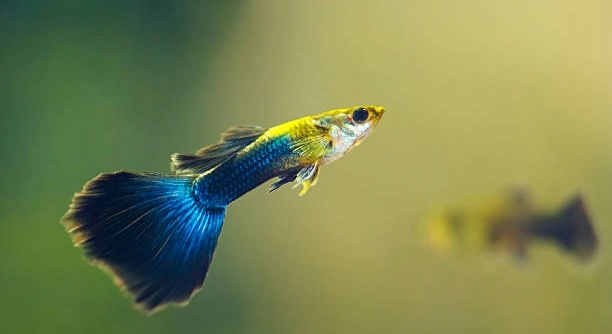
Guppies are popular aquarium fish, known for their vibrant colors and easy care. However, like all pets, they can suffer from health issues. Detecting illness early can be crucial to their well-being and prevent further complications.
Early detection of guppy illness involves closely observing changes in behavior, appetite, or appearance. Unusual swimming patterns, lethargy, and discoloration are key signs. Regularly monitoring their environment and ensuring water quality also helps identify potential issues before they escalate.
Recognizing these early signs will help you respond quickly and maintain your guppies’ health.
Changes in Swimming Behavior
When guppies are unwell, their swimming behavior is one of the first signs to notice. Healthy guppies swim actively and interact with their environment. However, an ill guppy might swim erratically, hover near the surface, or appear lethargic. Sometimes, they may also swim upside down or struggle to stay afloat. These abnormal movements can indicate stress or illness, often caused by poor water conditions, parasites, or bacterial infections. Pay close attention to how your guppy moves throughout the tank.
If you notice any of these behaviors, it’s important to check water quality immediately. High levels of ammonia or nitrites, as well as poor filtration, can cause stress. Sick guppies might also become more aggressive or reclusive, which may result in them not interacting with other fish.
Addressing water conditions promptly can help prevent further stress. In some cases, adjusting the temperature or adding medications may be necessary, depending on the type of illness suspected.
Changes in Appetite and Eating Habits
Changes in appetite can signal that something is wrong with your guppy.
A guppy with a reduced or absent appetite may be dealing with an infection or poor water quality. Healthy guppies typically eat regularly and show enthusiasm for food. If they begin to ignore food or show less interest, it’s a sign to monitor them closely. It’s also worth noting if they are eating unusually large amounts, which could indicate a different issue like parasites.
Illnesses such as fin rot, swim bladder disease, or internal parasites can all cause changes in appetite. If ignored, these issues can worsen quickly. Keep a close eye on their feeding patterns and ensure they are receiving proper nutrition. You may also want to test your water for any imbalances that could be affecting their health.
Changes in Appearance
Guppies are known for their colorful, vibrant appearance. If your guppy’s color starts to fade or you notice any unusual markings, it could indicate illness. A healthy guppy’s scales should be smooth, and their skin should not show any signs of discoloration. Pale or blotchy skin can be a symptom of parasites or poor water conditions. Additionally, a bloated abdomen or protruding eyes are warning signs of potential issues like internal infections or parasites.
Sometimes, you may also notice damaged fins or frayed edges, which can be a sign of bacterial infections, fin rot, or injury. Be mindful of any external changes to their appearance, as these can provide critical clues to the problem at hand. If your guppy’s appearance begins to change drastically, it’s time to act quickly. Taking immediate steps will help prevent the condition from worsening and potentially spreading to other fish in the tank.
Changes in Behavior Toward Other Fish
If your guppy starts avoiding interaction with other fish, it could be a sign of illness. Healthy guppies often swim in schools, sharing space with their tank mates. A change in this behavior—such as isolation or aggression—can indicate discomfort or sickness.
Sometimes, a sick guppy will either become more territorial or reclusive. It may hide in corners of the tank or swim near the bottom. If this happens, it’s likely stressed or in pain. Illnesses such as internal parasites or infections can cause this type of behavioral change. If the illness spreads, the other fish may also begin to show similar signs.
Keeping a close eye on the social behavior of your guppies will help catch these issues early. Consider isolating a sick guppy to avoid the spread of potential infections. Additionally, monitor the other fish for any symptoms of illness.
Excessive Fins Clamped Together
Clamped fins are a clear sign that something is wrong with your guppy. When a guppy is feeling stressed or unwell, it will often hold its fins close to its body, which makes them look smaller or less spread out. This behavior is typically seen in response to poor water quality, parasites, or infections.
When the fins remain clamped, it can indicate that the guppy is either in pain or unable to move properly. Illnesses such as fin rot or swim bladder disease are common causes. Clamping fins can also be a result of low oxygen levels or a lack of proper tank filtration.
If you notice your guppy holding its fins tightly, check the water parameters right away and ensure it’s well-aerated. Isolating the guppy may also help them recover, especially if the problem stems from an infection.
Changes in Breathing Patterns
Changes in your guppy’s breathing can signal a problem. If you notice rapid or labored breathing, it could be a sign of poor water quality or stress. Guppies should breathe steadily and not appear to gasp for air.
Rapid breathing is often a response to low oxygen levels in the water. It can also result from infections, such as gill flukes or other respiratory issues. If your guppy is breathing heavily near the surface or seems to struggle to breathe, you should immediately check the water parameters. Ensure that the water is properly filtered, and consider increasing oxygenation in the tank.
Make sure your guppy is swimming comfortably and not showing signs of distress while breathing. If the problem persists, it’s time to act quickly to address any water quality issues or potential health concerns.
Skin Lesions or Ulcers
Skin lesions, ulcers, or sores on your guppy’s body are concerning. These can be caused by bacterial infections, parasites, or injuries. If you spot any cuts or open sores, it’s crucial to monitor them closely.
Lesions or ulcers are often a sign of bacterial infections like fin rot or more severe issues, such as an external parasite infestation. These conditions can worsen quickly, so early intervention is essential. If left untreated, the infection can spread to other fish in the tank.
To address these, ensure your tank is clean and the water is at the proper temperature. A salt bath or medication might be necessary, depending on the type of infection.
Constipation or Bloating
If your guppy appears bloated or has difficulty swimming, it could be suffering from constipation. This can happen when guppies overeat or if they consume food that doesn’t properly digest.
In addition to bloating, constipation can cause your guppy to swim abnormally or have difficulty moving around the tank. In some cases, their belly may become noticeably enlarged. A lack of movement or interest in food can also accompany this condition.
If your guppy shows these signs, consider adjusting its diet. Offer foods that promote digestion, like daphnia, and avoid overfeeding. Ensure that your tank has good water circulation to help alleviate any issues with digestion.
FAQ
How can I tell if my guppy is stressed?
Stress in guppies can manifest in a variety of ways. Common signs include unusual swimming behavior, such as hovering near the surface or hiding in corners. A stressed guppy may also refuse to eat or display aggressive behavior toward other fish. Changes in color, especially a dull or pale appearance, are another sign. Stress can be caused by factors like poor water quality, overcrowding, or incompatible tank mates. Keeping the tank environment stable and making sure your guppy’s needs are met can help reduce stress.
Why is my guppy swimming upside down?
Swimming upside down is a serious indication that something is wrong. This could be caused by swim bladder disease, a common issue in guppies. Swim bladder disease affects the organ that controls buoyancy, causing the fish to float erratically or have difficulty staying upright. Other causes can include infections, overfeeding, or poor water conditions. If your guppy is constantly swimming upside down, check the water parameters and consider isolating the fish for treatment, as this can prevent the condition from worsening.
How do I treat my guppy’s fin rot?
Fin rot is typically caused by bacterial infections or poor water conditions. To treat fin rot, you should first improve the water quality by doing a water change and ensuring the filter is working properly. Consider adding aquarium salt or using a medication designed for bacterial infections. If your guppy’s fins are severely damaged, you may need to isolate it in a hospital tank to prevent spreading the infection. Make sure the tank is clean and the water parameters are stable to help the guppy recover.
Is it normal for my guppy to lose its color?
No, it’s not normal for a guppy to lose its vibrant color. A guppy’s color fading can be caused by stress, poor water quality, or illness. It’s often seen in stressed guppies or those suffering from infections or parasites. Check the water temperature, pH, and nitrate levels to ensure the water is within safe ranges. Stress from overcrowding or incompatible tank mates can also lead to color loss. If the fading continues, consider consulting a vet or aquarium specialist to determine the cause.
How can I help a constipated guppy?
Constipation is a common issue in guppies, often caused by overfeeding or a lack of fiber in their diet. To help a constipated guppy, you can try feeding it daphnia or blanched peas, which are easy to digest and can help regulate its digestion. Ensure you’re not overfeeding, as this can contribute to constipation. A well-balanced diet is essential, so avoid offering too many high-fat foods. If constipation persists, consider fasting your guppy for a day or two to allow its digestive system to reset.
What causes guppy bloating?
Bloating in guppies can be caused by several factors, including constipation, internal infections, or overfeeding. One common cause is swim bladder disease, which can cause the belly to swell and the fish to swim abnormally. Other reasons for bloating may include parasitic infections or egg-bound females. If the bloating is severe and accompanied by other signs, such as difficulty swimming or eating, it’s important to treat the guppy promptly by adjusting its diet and possibly isolating it for further care. Checking the water quality and temperature is also crucial.
Why is my guppy staying at the bottom of the tank?
If your guppy is staying at the bottom of the tank, it could be a sign of illness, stress, or poor water quality. Guppies tend to swim in the middle or upper levels of the tank, so if they’re staying at the bottom, they might be experiencing difficulty swimming or struggling with a health issue. Possible causes include swim bladder disease, parasitic infections, or low oxygen levels. Make sure the water is clean, properly filtered, and at the right temperature. If the behavior continues, consider isolating the fish and seeking treatment.
What should I do if my guppy has torn fins?
Torn fins are usually a result of injury, bullying, or poor water conditions. If your guppy has torn fins, you should first remove any aggressive tank mates that might be causing the damage. Clean the tank and check the water quality to ensure the environment is healthy. In some cases, you can treat the torn fins with aquarium salt or a mild antibacterial treatment to prevent infection. If the damage is severe, you may want to isolate the guppy in a separate hospital tank to help it recover without further stress.
How can I prevent my guppy from getting sick?
Prevention is key when it comes to keeping your guppy healthy. The most important factor is maintaining a clean, stable environment. Regular water changes and checking the water parameters for ammonia, nitrites, nitrates, and pH will help prevent most health problems. Ensure the tank is not overcrowded, as this can lead to stress and diseases. Provide a balanced diet and avoid overfeeding. Quarantine new fish before adding them to the tank to prevent introducing diseases. Regularly inspect your guppies for any signs of illness so that you can act early if necessary.
What are the signs of a guppy with parasites?
Guppies with parasites may exhibit a variety of symptoms. Look for abnormal swimming behavior, such as rubbing against objects in the tank or darting erratically. Other signs include visible skin lesions, swelling, or cloudy eyes. A guppy with parasites may also show a loss of appetite or unusual lethargy. The affected fish might start isolating itself from the others or display abnormal breathing patterns. If you suspect your guppy has parasites, it’s important to isolate it from the rest of the fish and treat the tank with an appropriate anti-parasitic medication.
Final Thoughts
Taking care of guppies can be a rewarding experience, but it requires attention to detail. Ensuring they stay healthy involves more than just feeding them properly. Regularly checking water quality, observing their behavior, and being quick to spot early signs of illness are key to keeping them in good shape. Understanding the common health issues that guppies face and knowing how to address them will make a big difference in maintaining their well-being.
The most important aspect of keeping your guppies healthy is maintaining a clean and stable environment. This includes proper filtration, regular water changes, and monitoring parameters like temperature, pH, and ammonia levels. A balanced diet is also crucial. Offering a variety of foods and avoiding overfeeding helps prevent many health problems. Additionally, it’s important to ensure your tank isn’t overcrowded, as this can stress your fish and make them more prone to disease. Keeping an eye on their behavior and appearance will help you detect issues early and address them before they become serious.
In the end, guppy care is about being proactive and attentive. Regularly check for changes in their behavior, swimming patterns, and overall health. If you notice anything unusual, address it as soon as possible to prevent further complications. By following these guidelines and staying observant, you can provide a healthy and happy life for your guppies. With a little effort and knowledge, you can enjoy the company of your vibrant fish for a long time.

Hello,
If you enjoy the content that we create, please consider saying a "Thank You!" by leaving a tip.
Every little bit helps us continue crafting quality advice that supports the health, happiness, and well-being of pets around the world, for pets of all shapes, sizes, and species.
We really appreciate the kindness and support that you show us!