
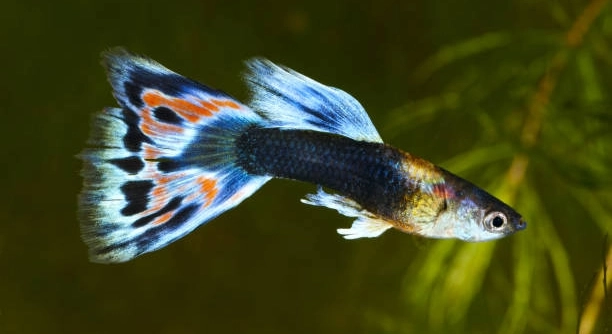
Guppies are active and energetic fish, but sometimes they may struggle to breathe. Identifying early signs of breathing difficulties is essential to help them recover quickly and stay healthy. Pay attention to their behavior.
If a guppy is struggling to breathe, you may notice it gasping at the water’s surface, swimming erratically, or appearing lethargic. Poor water quality, low oxygen levels, or illness can cause these symptoms, requiring prompt attention.
Addressing these concerns can significantly improve your guppy’s well-being. Understanding these signs is the first step toward ensuring a healthier aquatic environment for your fish.
Common Causes of Breathing Issues in Guppies
Guppies are sensitive to changes in their environment, and several factors can affect their ability to breathe. Water quality is one of the most common causes of breathing problems. High levels of ammonia, nitrites, or nitrates can create a toxic environment, leading to respiratory distress. Additionally, poor filtration or insufficient water changes contribute to the buildup of harmful substances that restrict the guppy’s access to oxygen. Temperature fluctuations can also cause stress, impacting their gills and overall health. Oxygen levels in the tank can drop when water is stagnant or overcrowded.
Water changes are critical in preventing these issues. Ensure the tank is well-maintained with frequent water changes to remove harmful substances and provide clean water. Adding an air pump or adjusting the filtration system can help increase oxygen flow, which is vital for your guppy’s health. Regularly checking the water’s pH and temperature is essential to ensure stability.
To maintain healthy breathing, a stable environment is key. Consistent monitoring and upkeep of water quality can prevent issues from escalating into more serious health concerns for your guppy.
Identifying Symptoms of Breathing Distress
Gasping for air is the most obvious sign that a guppy may be struggling to breathe. If you notice your guppy repeatedly swimming near the surface, it could indicate low oxygen levels in the water. Other behaviors like swimming slowly or rubbing against objects are also signs of distress.
Watch for subtle signs such as changes in movement. If your guppy is sluggish or spending too much time at the surface, this is a red flag. These issues should be addressed immediately to avoid further complications.
Water Quality and Oxygen Levels
The water quality plays a critical role in your guppy’s health. Ammonia and nitrites can build up quickly in an unfiltered tank, causing respiratory stress. Poor filtration or overcrowded tanks often lead to lower oxygen levels, which means your guppy is not getting enough air.
A simple solution to this is maintaining a clean tank with frequent water changes. Make sure your filtration system is working efficiently, and consider adding an air stone or pump for better water circulation. Regularly test your water to ensure the ammonia, nitrite, and nitrate levels are within a safe range for your guppy.
Maintaining proper water parameters is essential. If you notice your guppy gasping or swimming near the surface more than usual, this is a sign that the water conditions may be poor. Ensure your tank is cleaned regularly to prevent these issues from arising.
Temperature Fluctuations and Stress
Changes in water temperature can significantly affect your guppy’s breathing. If the water is too hot or too cold, it can cause stress, making it harder for your guppy to breathe properly. Guppies prefer a stable temperature range, typically between 72 and 82°F (22-28°C).
Using a reliable aquarium heater can help maintain a consistent temperature. It’s also important to check the temperature regularly to avoid any sudden drops or increases. If your guppy is showing signs of struggling to breathe, check if the water temperature is fluctuating too much. Stress from unstable temperatures weakens your guppy’s immune system, making them more susceptible to illnesses.
Keep in mind that temperature stability is vital. If you’re unsure of the correct temperature, invest in a good-quality thermometer to avoid any issues with overheating or chilling your guppy.
Overcrowded Tanks
When a tank is overcrowded, it leads to poor water circulation and lower oxygen levels. The more fish there are in a tank, the harder it becomes for each fish to breathe properly. Make sure your tank has enough space for all the fish.
A good rule of thumb is to allow at least one gallon of water per inch of fish. Overcrowding stresses guppies, making them more prone to respiratory issues. If you see your guppy gasping for air or swimming at the surface frequently, it might be time to reduce the number of fish in the tank.
Remove any excess decorations or items that can further block water flow. Keeping the environment simple and clean will help improve water circulation and reduce stress for your guppy.
Illness and Infection
Infections, particularly those affecting the gills, can cause breathing problems in guppies. Bacterial or parasitic infections may lead to inflammation, making it harder for them to take in oxygen. If your guppy has other signs of illness, such as faded colors or lack of energy, it could be sick.
Addressing an infection quickly is essential. Isolate the sick guppy to prevent the spread of disease and start treatment as soon as possible. Adding aquarium salt may help, but make sure you’re using it correctly, as too much can stress your fish even more.
If symptoms persist, consult a vet or aquatic specialist for the best course of action. Keeping your tank clean and monitoring your fish for any changes can help prevent infections from occurring in the first place.
FAQ
What should I do if my guppy is gasping for air?
If your guppy is gasping at the surface, first check the water quality. Poor water conditions are a common cause of breathing issues. Test the water for ammonia, nitrites, and nitrates, ensuring all levels are safe. If the water is toxic, perform a water change immediately. Also, check the temperature; if it’s too high or low, adjust it to a stable range. Adding an air pump can improve oxygen flow. If these adjustments don’t help, observe for other symptoms, as your guppy could be dealing with an illness that requires treatment.
Can I use aquarium salt to help my guppy breathe better?
Aquarium salt can be helpful when treating stress or mild infections. It can improve osmoregulation, helping your guppy maintain balance between its body and the surrounding water. However, salt should be used cautiously, as too much can stress your guppy further. Always dissolve salt in water before adding it to the tank, and follow the recommended dosage based on the size of the aquarium. If your guppy’s breathing issues are caused by poor water quality or overcrowding, salt alone won’t fix the underlying problem.
How often should I change the water in my guppy tank?
Water changes are essential to maintain good water quality and healthy guppies. Typically, a 25-30% water change every week is recommended for most aquariums. This helps remove toxins like ammonia and nitrates that build up over time. If you notice that your guppy is gasping or swimming near the surface frequently, it might indicate that the water quality has worsened. In such cases, increasing the frequency of water changes can help alleviate breathing problems and improve your guppy’s overall health.
Can guppies survive in low oxygen environments?
Guppies, like most fish, require oxygen-rich water to thrive. While they can tolerate lower oxygen levels for short periods, it’s not ideal for their long-term health. If you notice your guppy is gasping or swimming at the surface more than usual, it’s a clear sign that oxygen levels are too low. In such cases, consider adding an air pump or increasing water circulation to help improve oxygen flow. Regular water changes also help maintain adequate oxygen levels.
Why is my guppy swimming near the surface all the time?
Swimming at the surface can indicate several issues. Most commonly, it’s a sign that the oxygen levels in the tank are low. If the water isn’t circulating properly or if there are too many fish in the tank, it can lead to oxygen depletion. Ensure that the water is well-oxygenated by adding an air stone or improving the filtration system. It could also indicate that the water temperature is too high or that the guppy is sick. If these environmental factors are in check, check for signs of infection or stress that might be causing the behavior.
Can stress cause breathing problems in guppies?
Yes, stress can contribute to breathing difficulties in guppies. Stress factors like overcrowding, sudden temperature changes, poor water quality, or aggressive tankmates can cause guppies to struggle with breathing. Stress weakens their immune system and makes them more susceptible to respiratory issues. To reduce stress, ensure your guppy’s environment is stable and provides enough space. Monitor the tank for any aggressive behavior from other fish, and provide hiding spots to reduce stress levels.
How do I know if my guppy is sick or just stressed?
The difference between sickness and stress can be subtle but noticeable. If your guppy is stressed, it will likely show signs such as erratic swimming, staying near the surface, or becoming lethargic. Stress symptoms typically result from environmental factors like poor water quality or overcrowding. On the other hand, a sick guppy may display physical signs such as faded color, clamped fins, abnormal swimming patterns, or lesions on the skin. If your guppy shows these symptoms, it’s important to treat the underlying illness promptly.
Can high temperatures affect my guppy’s breathing?
High water temperatures can make it harder for guppies to breathe. As the temperature increases, the water holds less oxygen, which can lead to your guppy gasping or swimming near the surface. Guppies prefer a stable temperature between 72-82°F (22-28°C). If the temperature exceeds this range, it can cause stress and respiratory problems. Use an aquarium heater with a thermometer to keep the temperature consistent. If necessary, add more water circulation to help oxygenate the tank and prevent overheating.
Should I add more fish to my guppy tank?
Before adding more fish to your tank, consider the size of your aquarium and the current stocking levels. Overcrowding is one of the main causes of low oxygen levels and poor water quality, leading to breathing problems for your guppies. Ensure that there is enough space for each fish to swim freely and that the tank is properly filtered. It’s always better to understock a tank than to overcrowd it. If you notice your guppy struggling to breathe, it could be due to overcrowding, which should be addressed promptly.
What are the early signs of a respiratory infection in guppies?
Early signs of a respiratory infection in guppies include gasping at the surface, abnormal swimming, lethargy, or rubbing against objects. You may also notice mucus buildup around the gills or fins. These symptoms can indicate gill inflammation caused by bacteria, parasites, or poor water conditions. If left untreated, a respiratory infection can worsen quickly and lead to death. If you suspect a respiratory infection, remove the affected fish from the main tank and start treatment immediately. Proper water quality and hygiene are crucial to preventing infections.
Can I treat my guppy’s breathing problem at home?
If your guppy is struggling to breathe, you can take several steps at home to help. Start by performing a water change to improve water quality and ensure the oxygen levels are sufficient. Test the water for harmful substances like ammonia, nitrites, and nitrates. Adding an air pump or improving filtration can help increase oxygen. If the breathing problem persists, check the temperature and make adjustments as needed. For more severe issues, such as illness or infection, you may need to isolate the affected guppy and administer medication.
Final Thoughts
Guppies are resilient fish, but their well-being depends largely on the environment you provide. When they begin struggling to breathe, it’s often a sign that something in their habitat needs attention. Ensuring the water quality is optimal, maintaining stable temperature levels, and providing adequate space for your fish are essential steps in promoting their health. Regular maintenance, such as water changes and proper filtration, can prevent many of the issues that cause breathing problems. By keeping an eye on these factors, you can help ensure your guppy stays healthy and comfortable.
Understanding the signs that your guppy may be struggling to breathe can help you take prompt action. Look for behavior like gasping at the surface, staying near the waterline, or erratic swimming. These symptoms often indicate that the water quality, oxygen levels, or temperature may be off. Taking immediate steps, such as adjusting the tank environment, cleaning the water, and adding oxygen if necessary, can make a difference. If the problem continues despite these adjustments, it may be time to consider consulting with an aquarium specialist or veterinarian to rule out any underlying health issues.
Ultimately, keeping your guppy healthy involves staying on top of the basics. Providing a well-maintained tank with clean water, proper filtration, and a stable temperature is the foundation for your guppy’s well-being. Regular observation and quick action when issues arise will go a long way in ensuring that your guppy remains active, healthy, and able to breathe easily. By creating a suitable environment, you give your guppy the best chance at living a long, happy life.

Hello,
If you enjoy the content that we create, please consider saying a "Thank You!" by leaving a tip.
Every little bit helps us continue crafting quality advice that supports the health, happiness, and well-being of pets around the world, for pets of all shapes, sizes, and species.
We really appreciate the kindness and support that you show us!