
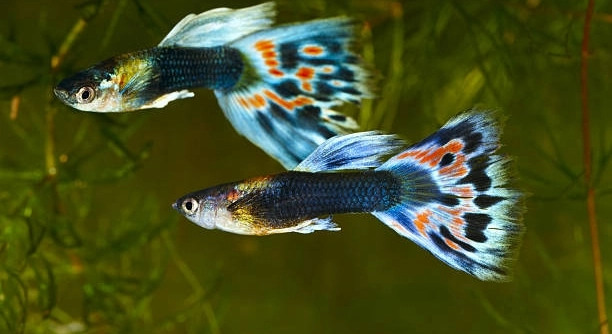
Guppy fish are a popular and easy-to-care-for species among aquarium hobbyists. Recognizing their mating behaviors is essential for understanding their breeding patterns and maintaining a healthy tank. This guide will highlight key signs to look out for.
Guppy mating behavior is often marked by male chasing, flaring fins, and displaying vibrant colors. Females tend to be more passive and may show interest through body language, including a slow approach. Monitoring these actions can help predict breeding events.
Understanding the signs of mating will help you better care for your guppies and prevent unwanted overcrowding in your tank.
Male Guppy Mating Display
Male guppies are known for their bold mating displays. To attract females, they exhibit striking behaviors, such as chasing and flashing their vibrant colors. Their fins may flare up, and they often swim in circles around the female, attempting to catch her attention. The male may even perform an exaggerated dance to showcase his health and genetic fitness. This display is not just for show; it plays a key role in ensuring that the female sees him as a desirable mate. This behavior often intensifies when multiple males are present, as competition for the female’s attention heightens.
While the males show off, the females typically remain more reserved. They may display signs of interest by swimming slowly or pausing near the male. These subtle gestures are the female’s way of communicating that she is ready to mate, without being overtly aggressive.
Understanding these male behaviors helps aquarium owners maintain a healthy balance in their tank, ensuring that breeding occurs without unnecessary stress or overcrowding. By recognizing these signs early, you can be prepared for the influx of baby guppies.
Female Guppy Response to Mating
Females may not show the same dramatic displays as males, but their actions are just as important. When ready to mate, the female becomes more receptive to the male’s advances.
Male Guppy Behavior: The Chase
Male guppies are persistent when pursuing a female. They chase her around the tank, displaying exaggerated body movements and showing off their colorful fins. The faster the chase, the more intense the male’s interest. This behavior can go on for a while, especially if there are several males competing.
The male’s display is designed to show off his fitness and health. The more vibrant and energetic he is, the more likely the female will take notice. In some cases, the chase can become stressful, especially if there is limited space in the tank. It’s important to keep the tank environment comfortable to avoid stressing the fish too much.
The chase is typically accompanied by the male’s display of his most vibrant colors. Males tend to display brighter colors and larger fins when trying to attract a mate. This behavior is often most noticeable during the mating season or when there are multiple males present, competing for attention.
Female Guppy Behavior: The Selection
Females are more selective and passive in their approach to mating. They often swim slowly and exhibit subtle movements, signaling their interest. If a female is ready to mate, she may pause and wait for the male to approach.
Mating Rituals and Courtship
During courtship, males often display elaborate movements to catch the female’s attention. They may swim in tight circles or even perform a series of “wiggles” in front of her. These behaviors are meant to showcase their health and genetic traits.
Females respond to these courtship displays in different ways, depending on their level of interest. They might ignore the male or choose to engage by swimming close to him. If a female is ready to mate, she will display specific signs, such as slowing her movements and allowing the male to come closer.
Guppy Pregnancy Signs
Pregnant females display noticeable physical changes. The most obvious sign is the swelling of the abdomen, which becomes more pronounced as the pregnancy progresses. You’ll also see darkening near the anal fin, a common sign of impending birth.
These changes are more apparent as the due date nears. The pregnant female will often spend more time hiding and may become less active as she prepares for labor. The behavior changes and physical signs are clear indicators that she is carrying fry.
Guppy Mating Behavior and Tank Setup
The tank environment plays a significant role in how guppies behave during mating. A clean, well-planted tank provides ample hiding spaces for the females, which is vital for reducing stress. Males will have fewer opportunities to chase if there are plants or decorations to block their paths.
FAQ
How can I tell if my guppy is pregnant?
Pregnant female guppies show clear signs of pregnancy. The most noticeable change is their enlarged belly, which will become rounder and more prominent as the fry develop. You may also notice a dark spot near the anal fin, known as the gravid spot, which indicates the fry are nearing the birth stage. Pregnant females tend to become less active and may seek out hiding spots to avoid male attention.
How long does it take for guppies to breed?
Guppy breeding is a quick process. From mating to birth, the cycle usually takes around 3 to 4 weeks, depending on factors like water temperature and overall health. Males can mate with females multiple times, and a female can store sperm for weeks, allowing her to give birth to several batches of fry from a single mating. Keeping the water warm (between 72°F and 82°F) can speed up the process, while cooler water may slow down the growth of the fry.
Can guppies breed in a community tank?
Yes, guppies can breed in a community tank. However, the presence of other fish, especially aggressive species, may cause stress or prevent mating behaviors. If you’re aiming for guppy fry, it’s best to have a separate breeding tank or add plenty of plants and hiding spots in the main tank to allow the female to escape the males. If you don’t want to breed guppies, it’s advisable to separate males and females.
Do guppies breed without males?
No, guppies cannot breed without males. However, female guppies can store sperm from previous matings for weeks. This means a single male can impregnate a female, and she can give birth to fry even if the male is no longer present. It’s important to separate males and females if you don’t want to breed your guppies.
What should I do if I have too many baby guppies?
If you find yourself with too many guppy fry, the first step is to separate them from adult guppies to avoid predation. You can place the fry in a separate tank or use a breeding box within the main tank. Overcrowding can be avoided by controlling the number of males and females in the tank, as well as removing any fry after birth. If necessary, you can rehome some of the fry or find them a new aquarium setup.
How can I tell the difference between male and female guppies?
Male guppies are typically smaller and more colorful, with vibrant hues of orange, blue, and green. Their fins are longer and more elaborate, especially during courtship. In contrast, female guppies are larger, more subdued in color, and have shorter fins. The gravid spot near the anal fin is a key indicator of a female ready to give birth.
How often do guppies breed?
Guppies breed frequently. A healthy female can give birth to a batch of fry every 30 days, and she can continue to breed for several months. Since guppies store sperm, even a single mating can result in multiple batches of fry. To manage breeding, you may want to control the tank’s sex ratio or remove males if breeding is not desired.
Why are my guppies not mating?
There are several reasons why guppies may not mate. Stress is a common cause, and it can be triggered by overcrowded tanks, poor water conditions, or incompatible tank mates. Males may also struggle to mate if the female is not yet ready or if she is too stressed. Inadequate hiding spots for the females can also deter mating, as they may feel unsafe. Ensuring proper water temperature and a peaceful environment encourages mating behaviors.
Can guppies have babies without giving birth?
No, guppies cannot have babies without giving birth. However, since females can store sperm from previous matings, they can give birth without the presence of a male. This can happen for several weeks after mating. Females may continue to produce fry in this way, even without mating again.
What do guppy fry eat?
Guppy fry need small, nutritious food to grow. Start by offering powdered fry food or finely crushed flakes. As they grow, you can introduce larger foods, like baby brine shrimp or daphnia. Make sure to feed them small amounts several times a day, as they have high metabolism rates. Keep the tank clean by removing uneaten food to avoid water contamination.
Is it possible for guppies to breed in cold water?
While guppies are adaptable, cold water can slow down their breeding cycles. Guppies thrive best in water temperatures between 72°F and 82°F. In cooler water, their metabolism slows, and mating behaviors become less frequent. To encourage breeding, it’s best to maintain a consistent warm temperature in the tank. If the water temperature drops below 70°F, breeding may stop altogether.
How can I prevent guppies from overbreeding?
Controlling the breeding of guppies can be done by managing the number of males and females in the tank. Keeping a ratio of one male to two or three females can help reduce excessive mating. Additionally, removing males or separating pregnant females into a breeding box can prevent unwanted fry. Regularly monitoring the tank’s population and removing fry will also help keep the population in check.
Final Thoughts
Understanding guppy mating behavior is key to managing your aquarium and ensuring the health of both the adults and fry. These small fish are fascinating, with their quick reproduction rates and unique courtship displays. Males actively chase females and display their colorful fins to attract a mate. Females, on the other hand, are more passive, often selecting the most vibrant males. This process can be observed in any well-maintained tank, and it offers valuable insight into their natural behavior.
Keeping a balanced tank with adequate space, hiding spots, and proper water conditions helps reduce stress and supports healthy mating. Overcrowding or poor water quality can lead to less successful breeding and may cause harm to your fish. It’s important to monitor the sex ratio of your guppies, as having too many males can lead to excessive chasing and stress for the females. Providing plants or decorations also allows the females to escape the attention of the males when necessary.
If you’re not interested in breeding, managing the male-to-female ratio or separating the sexes will help. This ensures that you don’t end up with too many fry in the tank. Guppy fry are cute and interesting, but they can quickly overpopulate a small tank. If breeding does occur, be prepared to manage the population, either by relocating the fry or ensuring there are enough hiding spots for them to thrive. A bit of planning and observation can go a long way in creating a thriving guppy environment.

Hello,
If you enjoy the content that we create, please consider saying a "Thank You!" by leaving a tip.
Every little bit helps us continue crafting quality advice that supports the health, happiness, and well-being of pets around the world, for pets of all shapes, sizes, and species.
We really appreciate the kindness and support that you show us!