
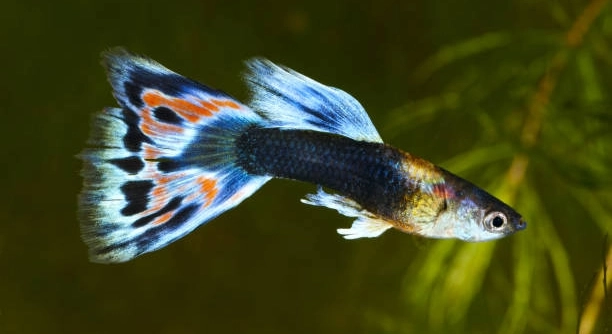
Keeping a guppy tank clean and free from unpleasant odors can be tricky, but it is essential for maintaining a healthy environment for your fish. Odor often comes from accumulated waste and uneaten food, which can disrupt the balance of the tank.
To keep your guppy tank odor-free, regular maintenance is key. This includes frequent water changes, proper filtration, removing excess food, and ensuring your tank is not overcrowded. These steps help reduce waste buildup, which is the main cause of odors.
Maintaining a fresh tank environment requires simple actions, and we’ll show you effective strategies to keep odors under control. Understanding these techniques will ensure your guppies thrive while your home stays smelling fresh.
Regular Water Changes
One of the simplest and most effective ways to keep your guppy tank odor-free is by performing regular water changes. Fish waste, uneaten food, and other organic materials break down in the water, causing a buildup of harmful substances. If you don’t remove these regularly, they can create unpleasant smells. Aim for changing about 25-30% of the tank water every week to maintain a clean environment. When doing so, make sure you also clean the decorations and substrate to prevent any debris from accumulating.
Changing the water not only helps to reduce odors but also improves the overall water quality. This keeps your guppies healthier and happier in the long run. Regular water changes are an easy routine to integrate into your tank care.
Consistency is key when it comes to water changes. Skipping even one week can lead to an unpleasant tank. Clean water ensures that the ecosystem remains balanced, making it a vital step in maintaining an odor-free tank.
Proper Filtration
A good filter is essential for keeping your guppy tank free from odors. It removes excess waste, debris, and harmful bacteria, all of which can contribute to bad smells. When selecting a filter, ensure it is the right size for your tank and that it runs efficiently.
Regularly clean the filter to ensure it works effectively. Over time, the filter can become clogged with dirt and debris, reducing its filtration ability. If you notice a decrease in performance, clean or replace the filter media. This will keep the tank water flowing smoothly and reduce any buildup of odor-causing substances.
Proper filtration ensures the water stays clear and free from contaminants. It works hand in hand with regular water changes to maintain a fresh-smelling tank. Don’t forget to check the filter regularly to ensure it’s doing its job effectively.
Remove Uneaten Food
Uneaten food in your guppy tank can quickly lead to unpleasant odors as it decomposes. It’s important to remove any leftovers after feeding your fish. Leftover food not only affects water quality but also attracts bacteria that contribute to bad smells.
Set a timer or check the tank after feeding to ensure you remove uneaten food. A net or siphon can be useful for this task. You don’t have to do it right after every feeding, but checking a few minutes afterward can make a big difference. Overfeeding is a common issue, so only give your guppies as much food as they can consume in a few minutes.
Feeding your guppies the right amount of food helps keep the tank cleaner. In addition to removing leftovers, reduce the risk of overfeeding by sticking to a feeding schedule. This keeps your guppy tank odor-free and healthier for the fish.
Avoid Overcrowding
Overcrowding your guppy tank can contribute to bad odors due to the excess waste produced by too many fish. Keeping the fish-to-water ratio in check is crucial for a balanced environment. Aim for no more than one inch of fish per gallon of water.
If your tank becomes overcrowded, the water quality will decline faster. With too many fish, there’s a higher chance of excess waste and uneaten food building up, leading to increased odor. Overcrowding can also cause stress among your guppies, making them more susceptible to illness.
Maintaining an appropriate number of guppies per tank ensures that the filtration system and water changes can handle the load. Keeping the tank well-stocked but not overcrowded helps avoid the issues associated with excess waste and unwanted smells.
Use Activated Carbon
Activated carbon is a simple but effective tool for keeping your guppy tank smelling fresh. It helps remove impurities and odors from the water. You can easily add it to your filter to improve the water quality.
Activated carbon works by absorbing harmful substances and chemicals, preventing them from breaking down into foul-smelling compounds. Replacing it regularly ensures optimal filtration. This simple addition will help keep the water clear and free from odors.
Clean Decorations and Substrate
Your tank’s decorations and substrate can trap debris, organic waste, and uneaten food, which causes odors. Cleaning these regularly is crucial for a fresh-smelling tank.
To clean the decorations, remove them from the tank and wash them with warm water. For the substrate, use a siphon to vacuum up trapped debris. A clean tank bottom and decorations will help prevent odor buildup.
FAQ
How often should I change the water in my guppy tank?
It’s best to change around 25-30% of the water every week. This helps maintain water quality and reduces odor. More frequent changes might be necessary if your tank is heavily stocked or you notice a buildup of waste. Regular water changes are key to keeping the tank odor-free and ensuring a healthy environment for your guppies.
Can I use a water conditioner to help reduce odor?
Water conditioners can help detoxify the water and remove chlorine or chloramine. However, they won’t directly eliminate odor-causing waste or bacteria. They are most useful when setting up a new tank or treating tap water. For long-term odor control, a regular water change routine and proper filtration are essential.
Is overfeeding the main cause of odors in my guppy tank?
Yes, overfeeding is one of the biggest contributors to tank odors. Uneaten food decomposes in the water, creating waste that leads to bad smells. Stick to feeding your guppies only what they can consume within a few minutes. This prevents uneaten food from sitting in the tank and causing problems.
Do I need to clean the filter often?
Yes, cleaning the filter is important for keeping your tank clean and odor-free. A clogged or dirty filter reduces water flow, causing waste and debris to build up. Clean the filter every 4-6 weeks to keep it working properly. If you notice a decrease in performance, it might be time to replace the filter media.
Can I reduce odors without changing the tank setup?
Yes, you can control odors without changing the entire setup. Focus on regular water changes, removing uneaten food, and maintaining proper filtration. Additionally, using activated carbon in your filter helps absorb impurities and reduce odors. A simple routine can go a long way in keeping your tank fresh.
What is the best filter for a guppy tank?
The best filter for a guppy tank depends on the size of the tank. A sponge filter or a hang-on-back (HOB) filter is often recommended for smaller tanks, while canister filters are better for larger setups. Be sure to choose a filter that can handle the water volume of your tank.
Can I use plants to help reduce odors in my tank?
Yes, live plants can help absorb excess nutrients and organic matter in your tank, which can reduce the buildup of harmful substances and odors. Plants also help oxygenate the water, promoting a healthier environment for your guppies. Just be sure to maintain the plants and remove any decaying leaves.
What can I do if my tank starts to smell really bad?
If your tank starts to smell very bad, it’s likely due to excessive waste or poor water quality. Start by doing a large water change, removing any uneaten food, and checking the filter. If the odor persists, clean the substrate and decorations, and consider adding activated carbon to the filter for extra filtration.
Should I use an air pump to reduce tank odor?
An air pump can improve oxygen flow in the tank and help prevent stagnant water. This can indirectly reduce odors, as stagnant water is more prone to bacterial growth, which contributes to unpleasant smells. While an air pump alone won’t eliminate odors, it can support better overall tank health.
How can I tell if my guppy tank is overcrowded?
An overcrowded tank can lead to poor water quality, increased waste, and stronger odors. If you notice a lot of waste buildup, reduced oxygen levels, or stress in your fish, it may be a sign of overcrowding. A good rule of thumb is one inch of fish per gallon of water.
Can a protein skimmer help with odor control?
Protein skimmers are primarily used in saltwater tanks to remove organic waste. While they aren’t necessary for freshwater guppy tanks, they can help reduce the amount of waste in the water, which may indirectly help with odor control. However, they’re not a substitute for regular maintenance and proper filtration.
Do I need to add chemicals to control odors?
Generally, it’s best to avoid chemicals in your guppy tank unless absolutely necessary. Instead of relying on chemicals, focus on regular water changes, proper filtration, and removing uneaten food. These practices will naturally prevent odors and keep the water healthy for your guppies.
Can I use a gravel vacuum to reduce odors?
Yes, using a gravel vacuum can help remove debris and waste trapped in the substrate, which contributes to bad smells. This tool is especially helpful when performing water changes, as it helps to clean the tank bottom without disturbing the tank’s setup too much. Regular use will keep the tank fresh.
Why does my tank smell like rotten eggs?
The smell of rotten eggs is often caused by hydrogen sulfide gas, which forms when organic matter decomposes in low-oxygen conditions. This could be a sign of poor filtration or excess waste in your tank. To fix it, perform a large water change, clean the substrate, and check your filtration system.
What should I do if my guppies seem stressed or unhealthy?
Stress in guppies can be a result of poor water quality, overcrowding, or high levels of waste. If your guppies are stressed, start by improving the water quality—do a water change, clean the tank, and check the filtration. Also, make sure your tank is not overcrowded and that the temperature is suitable for your guppies.
How can I prevent my tank from smelling like mold?
Moldy smells in a guppy tank are often caused by decaying organic matter, such as uneaten food or dead plants. To prevent this, regularly remove leftover food, clean the tank decor, and make sure there are no decaying plants. Regular water changes and good filtration can also help keep the tank fresh.
Final Thoughts
Maintaining an odor-free guppy tank is not a difficult task, but it does require regular attention. By sticking to a routine that includes water changes, proper filtration, and cleaning the tank, you can ensure a healthy environment for your guppies and keep unpleasant smells at bay. Overfeeding is one of the most common mistakes aquarium owners make, and it can lead to odors as leftover food decomposes. Feeding your fish only what they can eat in a few minutes, combined with removing any uneaten food, will help prevent waste buildup.
The right filtration system is another key component. Filters help keep the water clear and remove harmful waste and bacteria, which are the main causes of odors. Regularly cleaning and maintaining your filter ensures that it works efficiently. Whether you’re using a sponge filter, hang-on-back filter, or a canister filter, the goal is to keep the water clean and reduce the chances of odors developing. If your tank still smells despite these efforts, checking the filter and cleaning the decorations and substrate will make a noticeable difference.
An important thing to remember is that keeping your guppy tank odor-free is a balance of several factors. Avoiding overcrowding, removing excess food, and using activated carbon in the filter can all contribute to a fresher tank. Live plants can also help by absorbing nutrients that might otherwise turn into odors. Staying on top of these tasks ensures that your guppies live in a clean and healthy environment, while you get to enjoy a tank that looks and smells great. With regular maintenance, your guppy tank will thrive, and odors won’t become an issue.

Hello,
If you enjoy the content that we create, please consider saying a "Thank You!" by leaving a tip.
Every little bit helps us continue crafting quality advice that supports the health, happiness, and well-being of pets around the world, for pets of all shapes, sizes, and species.
We really appreciate the kindness and support that you show us!