
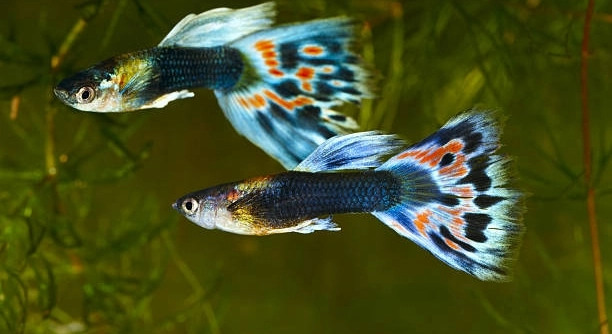
Guppies are popular fish among aquarium enthusiasts due to their bright colors and lively personalities. If you’re keeping them as pets, it’s important to ensure they thrive in a clean, healthy environment. A filtered tank plays a vital role.
Filtered tanks provide several benefits to guppies, including cleaner water, improved oxygen levels, and better overall health. By filtering out waste and toxins, a filtration system prevents harmful conditions that could lead to disease or stress in your fish.
Understanding the importance of a filtered tank can improve your guppies’ living conditions. With proper filtration, you can maintain a healthier environment, ensuring your fish remain vibrant and happy.
Why a Filter is Crucial for Guppies
A filtered tank helps maintain a stable environment for guppies. These fish are sensitive to water quality, and without a filter, waste can build up quickly. Ammonia, nitrites, and nitrates from fish waste can be toxic and cause illness. Over time, this can lead to stress, weakening their immune systems. A filter keeps the water clean and ensures the right balance of chemicals, preventing unwanted spikes in harmful substances. Guppies can live longer, healthier lives in a tank with proper filtration.
Adding a filter also ensures that oxygen levels remain sufficient. Guppies need oxygen to thrive, and stagnant water can deplete oxygen levels quickly. A filter creates water movement, helping to distribute oxygen throughout the tank.
In addition, filters help keep the tank clean by removing debris. Uneaten food, plant matter, and organic waste can accumulate and rot if left unchecked. Regular cleaning is still important, but a filter significantly reduces the effort needed to maintain a healthy tank.
Types of Filters for Guppies
There are several types of filters suitable for guppies. The most common are hang-on-back filters, sponge filters, and canister filters. Each has its pros and cons, depending on your tank size and needs.
Hang-on-back filters are easy to install and maintain. They are effective for medium to large tanks and offer adjustable flow rates, which is beneficial for delicate guppies. Sponge filters are gentle on small tanks and create less water movement, which is ideal for guppies and other small fish. Canister filters are more powerful and are ideal for larger tanks but may be more expensive and require more maintenance.
Each type of filter works differently, but they all help in ensuring your guppies stay healthy. The filter you choose should be based on the size of your tank and your personal maintenance preferences. Consider your tank’s specific needs before making a decision.
Benefits of Better Water Quality
Filtered water improves the overall health of your guppies by reducing the risk of harmful bacteria and parasites. With cleaner water, the chances of disease and infections are lowered, allowing your guppies to remain active and healthy. A filter helps keep water clear by removing waste particles and toxins.
Water quality is essential for guppies to thrive. Poor water conditions can lead to health problems like fin rot, skin lesions, and even death. With a filter, you’re providing a more stable environment where your fish can stay strong and vibrant. Clean water prevents harmful bacteria from multiplying, reducing the risk of infections. Healthy water is key to maintaining the colorful and lively appearance of your guppies.
Keeping a filtered tank also helps with the overall water chemistry. Over time, without proper filtration, nitrates can accumulate, which can cause algae blooms and stress your fish. Algae can cover plants, ornaments, and tank walls, blocking light and oxygen flow. A filter helps prevent these imbalances, keeping your guppies safe.
The Impact of Stress on Guppies
Guppies are small and delicate, and stress can have a big impact on their health. Stress can weaken their immune systems and lead to diseases that are harder to treat. A clean tank helps to reduce stress.
When the tank isn’t properly filtered, waste builds up and creates an unstable environment. This instability can cause guppies to feel stressed, which affects their behavior. Stressed guppies may hide, lose color, or become less active. A well-maintained tank with a filtration system allows them to swim and feed without worry, leading to a happier, healthier life.
Maintaining a healthy tank with a filter also helps your guppies adapt to their environment. Consistent water conditions reduce sudden changes in pH and temperature, which can be a significant stress factor for them. Stress-free guppies are more likely to thrive, breed, and live longer.
Filtration Helps Control Algae Growth
Without proper filtration, excess nutrients from waste and uneaten food can cause algae to grow. Algae can quickly cover surfaces, blocking light and oxygen. A filter helps prevent this by removing organic matter that contributes to algae growth. Keeping the tank clean allows your guppies to enjoy a more stable environment.
The presence of algae can also affect your guppies’ behavior. If the tank becomes overrun, the light available for plants decreases, which can make the environment less appealing. A filter ensures better light distribution and keeps algae in check, leading to a healthier tank and happier fish.
Maintaining a Balanced Nitrogen Cycle
The nitrogen cycle is crucial in keeping a tank healthy. Filters help regulate this cycle by removing waste, maintaining safe ammonia levels, and allowing beneficial bacteria to thrive. These bacteria convert toxic substances into safer compounds, keeping guppies safe.
A balanced nitrogen cycle is essential for maintaining clean water. Without a filter, ammonia and nitrites can build up, leading to deadly consequences. The filter provides the necessary support for the bacteria, ensuring that guppies are protected from the harmful effects of an unbalanced nitrogen cycle.
Cost-Effective Long-Term Solution
While purchasing a filter may seem like an upfront cost, it saves money in the long run. By reducing the need for constant water changes and preventing health issues, you won’t need to spend as much on medications or tank maintenance.
FAQ
Why do guppies need a filter?
Guppies are sensitive to water quality, and a filter ensures they live in a clean, healthy environment. It removes waste, toxins, and uneaten food that can build up and cause harm. Without a filter, ammonia, nitrites, and nitrates can accumulate, leading to poor water quality. A filter helps maintain proper oxygen levels and water movement, which are essential for their health.
Can guppies live without a filter?
While guppies can survive in a tank without a filter, it’s not ideal for their long-term health. Without filtration, you must perform frequent water changes to maintain acceptable water quality. A filter makes this process much easier and ensures the environment remains stable, reducing stress on the fish.
How often should I clean the filter?
Cleaning the filter should be done every 4 to 6 weeks, but it depends on the type of filter and tank size. Be sure not to over-clean the filter, as this can disrupt the balance of beneficial bacteria in the tank. You can rinse the filter media in tank water to avoid killing the helpful bacteria with tap water.
How do I know if the filter is working properly?
Check the flow rate of the filter. If it’s low or the water isn’t moving properly, the filter may need cleaning or maintenance. You should also monitor the water quality regularly. If your guppies are thriving and the water remains clear, the filter is likely working well.
What type of filter is best for guppies?
The best filter for guppies depends on the size of your tank. For smaller tanks, a sponge filter is a gentle option that won’t create too much current. For larger tanks, a hang-on-back filter or canister filter may be more effective at keeping the water clean. Consider your tank’s needs and choose accordingly.
Can a filter cause too much current for guppies?
Yes, a filter with a strong current can stress guppies. They prefer gentle water movement, as they are small and not strong swimmers. If your filter causes too much current, try adjusting the flow rate or use a sponge filter to create a more suitable environment for your fish.
Do I need to use a filter if I have live plants in the tank?
Yes, even with live plants, a filter is beneficial. It helps remove excess nutrients that can cause algae growth, which would harm both your plants and guppies. A filter ensures a more balanced tank environment, providing oxygen for plants while preventing algae overgrowth that can block light.
How do I clean the filter without harming the tank?
When cleaning your filter, always use tank water rather than tap water to rinse the filter media. Tap water can contain chlorine, which harms beneficial bacteria. Gently clean the filter parts to remove debris and maintain proper flow, but avoid excessive cleaning to keep the bacterial colony intact.
Is it necessary to replace the filter media regularly?
Yes, over time, the filter media can become clogged with debris, and its efficiency can decrease. However, replace the filter media gradually to avoid disrupting the beneficial bacteria. Changing too much at once can unbalance the tank’s ecosystem. Check the media regularly and replace as needed.
Can I add new guppies to a tank with a filter immediately?
Yes, you can add new guppies to a tank with a filter. However, it’s important to ensure the tank has gone through the cycling process and the filter is properly established. This helps the filter handle the additional waste and ensures safe water conditions for the new fish.
How can I prevent the filter from sucking up baby guppies?
To prevent baby guppies from being sucked into the filter, use a filter sponge or pre-filter on the intake. This helps to create a barrier, allowing water to flow through while keeping tiny fish and fry safe from being caught. Make sure the filter intake is covered to protect the babies.
How can I maintain water quality with a filter?
Maintaining good water quality with a filter requires regular monitoring. Test the water for ammonia, nitrites, and nitrates, and ensure the filter is cleaning the water effectively. Perform partial water changes when needed and avoid overfeeding your guppies to reduce waste buildup. Regular filter maintenance will also keep the system running efficiently.
What should I do if my filter stops working?
If your filter stops working, first check for any blockages in the intake or outflow. Clean the filter, checking for debris or buildup. Make sure the power is connected and that the filter motor is running. If it’s still not working, consider replacing the filter or consulting the manufacturer for troubleshooting.
Can I have more than one filter in my tank?
Yes, you can have more than one filter in your tank. Having two filters can help with water circulation and ensure there is always proper filtration. However, it’s important not to overdo it, as too much filtration can create excess current, which could stress your guppies. Two smaller filters might be better than one large one if you’re concerned about water flow.
Final Thoughts
Providing a filtered tank is essential for the health and well-being of your guppies. The filter plays a crucial role in maintaining clean water, removing waste, and ensuring a stable environment. Without proper filtration, harmful substances like ammonia, nitrites, and nitrates can quickly build up, putting stress on your guppies and leading to health problems. By using a filter, you not only keep the tank clean but also reduce the frequency of water changes, which can be time-consuming and stressful for both the fish and the owner. A filter helps establish a safer, more balanced environment where guppies can thrive and show their full, colorful beauty.
In addition to removing harmful toxins, a filter helps control the growth of algae by reducing excess nutrients in the water. This creates a more pleasant and visually appealing tank, with clear water and better light conditions for your plants. Filtration also helps regulate the nitrogen cycle, ensuring that beneficial bacteria can break down waste properly. Without these processes in place, a tank can quickly become unstable, causing damage to your fish and plants. Regular maintenance of the filter ensures that it continues to function efficiently, allowing your tank to maintain its health over time.
While setting up a filtered tank requires an initial investment, it saves time and effort in the long run. A well-filtered tank reduces the need for frequent water changes and lessens the likelihood of needing medications to treat sick fish. In the end, it is a cost-effective solution for maintaining a healthy, vibrant tank. Guppies will enjoy a cleaner, less stressful environment, and you will have more peace of mind knowing that your fish are living in optimal conditions. The benefits of using a filter far outweigh the minor cost and effort involved, making it a must for any guppy owner.

Hello,
If you enjoy the content that we create, please consider saying a "Thank You!" by leaving a tip.
Every little bit helps us continue crafting quality advice that supports the health, happiness, and well-being of pets around the world, for pets of all shapes, sizes, and species.
We really appreciate the kindness and support that you show us!