
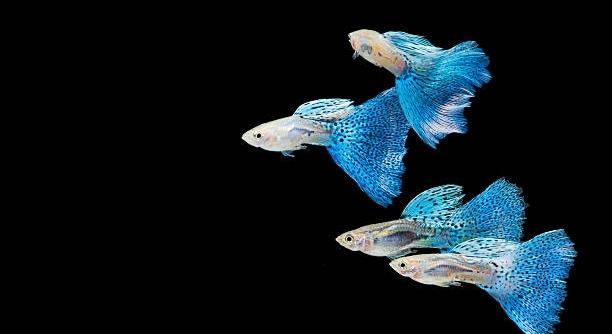
Guppies are popular aquarium fish, and knowing their gender early on can help with breeding decisions. Understanding how to identify male and female guppies can also provide better care for your aquatic pets.
There are several ways to identify guppy gender early, with the most noticeable difference being the size and shape. Males are typically smaller, with a more colorful appearance, while females are larger and less vibrant. Observing their behavior and fins can also help.
Understanding these key features will help you make informed decisions about your guppies. This guide will provide helpful tips for easily distinguishing male from female guppies early on.
Key Differences Between Male and Female Guppies
When identifying the gender of guppies, the first feature to notice is their size. Male guppies tend to be smaller than females. They also have a slender body shape, which allows them to move more quickly and easily around the tank. Females, on the other hand, are typically larger and more robust. This size difference is most noticeable when both genders are in the same tank, although it may be harder to spot in very young guppies.
The second key difference is coloration. Male guppies are known for their vibrant, colorful markings, often in shades of orange, blue, or green. Their tails and fins are particularly striking, with patterns that stand out. Female guppies, in contrast, usually have a duller color palette, typically with more neutral tones of silver, gold, or brown. Their fins are less decorated, making them less flashy than the males.
Recognizing these differences in size and coloration can help identify guppy gender with ease. In addition to these features, observing their behavior and the shape of their fins will give you a clearer understanding of their gender.
Behavioral Clues to Spot Gender
Another helpful clue is how males and females behave in the tank. Male guppies are often seen chasing after females, trying to impress them with their colorful fins. They may also display more energetic movements compared to females, especially when interacting with others. Females typically remain more passive and less active.
Males tend to be more aggressive when competing for attention from females. This behavior can be seen especially when several males are kept in the same tank. They will often swim rapidly, perform intricate maneuvers, and try to get as close to the female as possible.
Females usually show less interest in these behaviors and may ignore the males, unless it is time to breed. When kept together, the distinct behaviors of males and females can further assist in identifying their gender early on.
Anal Fin Shape and Size
Male guppies have a distinct anal fin shape compared to females. In males, the anal fin is shaped like a rod, often referred to as a gonopodium. This fin is used for mating purposes. It is typically more pointed and elongated, making it easily distinguishable from the rounded anal fin of females.
Females have a rounder, less defined anal fin. This fin shape is generally broader and does not serve the same reproductive purpose as in males. Over time, as they mature, it becomes easier to spot these differences in fin shape. By observing their anal fins, you can tell the gender with more certainty, especially when the guppies are mature enough to display these characteristics.
This is one of the most reliable methods for sexing guppies, especially when other features, such as size or coloration, are not yet fully developed.
Pregnancy in Female Guppies
One obvious sign that a guppy is female is the appearance of a gravid spot, located near the rear of her body. This spot darkens and becomes more noticeable when the female is pregnant. It is a clear indicator that she is carrying eggs, which will hatch into live baby guppies, a feature of livebearers.
Pregnancy in guppies typically lasts between 21 and 30 days, depending on the water temperature and the individual fish. As the pregnancy progresses, the gravid spot becomes darker and larger. This is due to the developing embryos inside her body. It’s a good sign that you are dealing with a female guppy.
Knowing when a guppy is pregnant helps with tank management, as pregnant females require more care and a suitable environment to give birth. Be mindful of providing plenty of hiding spots for the fry once they are born, as the adult fish will often eat them.
Tail Shape and Size
The tail shape and size can also help differentiate male and female guppies. Male guppies tend to have more pointed, elongated tails, which are often more colorful and vibrant. This distinctive tail shape is used for mating displays and is typically much larger than that of females.
Females, on the other hand, have a shorter, rounder tail. Their tails are less colorful and are designed more for stability and swimming. While males use their tails for attracting mates, females use theirs to move around the tank more efficiently. This difference becomes clearer as the guppies mature.
Observing Swimming Patterns
Male guppies tend to swim in a more erratic and energetic manner compared to females. They often display quick, darting movements, especially when showing off their colors to attract a mate. This type of swimming is particularly noticeable during mating season.
Females usually swim more steadily and at a slower pace. They are less inclined to engage in such high-energy displays, as their primary focus is on finding food and managing their environment. As a result, their swimming patterns are more relaxed, making it easy to differentiate them from males.
Comparing Body Proportions
Another clear indicator of gender differences in guppies is body proportions. Male guppies typically have a more slender and streamlined body shape. Their smaller, more agile bodies make them suited for fast movements in pursuit of mates.
In contrast, females have a bulkier, more rounded body due to the space taken up by their reproductive organs. This difference in body shape becomes more noticeable as the guppies mature, especially when they are placed side by side in a tank.
FAQ
How can I tell if my guppy is male or female when they are very young?
When guppies are very young, it can be difficult to distinguish the genders. However, by the time they reach about 4 to 6 weeks of age, the differences become more noticeable. Males will start showing their colorful markings and their tails will begin to elongate. The females, being larger and less vibrant, will start to grow at a quicker rate and develop a rounder body. Observing the anal fin can also help—males will begin to show a more pointed gonopodium as they mature. If you are still unsure, give it some time, and the gender differences will become more apparent.
What is the best way to identify the gender of a pregnant guppy?
Pregnant guppies are always female, and identifying the gender is easy in this case. The most noticeable sign is the gravid spot, a dark area near the rear of the female’s body, where the developing embryos are located. As pregnancy progresses, this spot will darken and grow larger. Additionally, the female will have a bulkier body shape compared to males, especially as the pregnancy develops. If your guppy has a gravid spot and shows signs of being rounder, she is definitely female and likely pregnant.
Can guppies change gender over time?
Guppies do not change gender in the traditional sense. However, some fish species are capable of sex change under certain environmental conditions, but guppies are not among them. Male guppies may sometimes appear to be more colorful or vibrant at different stages of life, but this is simply due to changes in their health, age, or environment, not a change in gender. The key identifying features of male and female guppies will remain constant.
Why do male guppies have more vibrant colors than females?
Male guppies have evolved to be more colorful in order to attract females. Their bright colors and striking tail patterns are part of their courtship display, meant to catch the attention of females. This colorful display is a way for males to signal their health, genetic quality, and suitability as a mate. Females, in contrast, are more muted in color, which helps them blend into their environment and avoid predators, especially when they are pregnant and more vulnerable.
Can male guppies mate with multiple females?
Yes, male guppies can mate with multiple females. They do not form long-term bonds with a single mate. Male guppies are known for actively pursuing females in their tank and will often mate with as many females as they can. This behavior is part of their natural reproductive strategy, where they attempt to maximize their chances of passing on their genes. If you have multiple females in your tank, the males may become more competitive, trying to impress them with their bright colors and displays.
What happens if there are too many males in the tank?
Having too many males in a tank can lead to aggressive behavior. Male guppies are territorial and will often compete for the attention of females. In crowded conditions, this can cause stress and bullying, leading to the males chasing each other relentlessly. This can also result in the females being harassed constantly, which can negatively impact their health. To prevent this, it’s best to maintain a balanced male-to-female ratio, ideally having 2 to 3 females for every male guppy.
How often do male guppies display their colors to females?
Male guppies typically display their colors to females during mating season, which can occur throughout the year in ideal tank conditions. They perform courtship displays by swimming around the females, showing off their colorful tails and fins. This behavior can happen several times a day, especially if there are multiple males competing for attention. The more vibrant the colors, the more likely it is to attract a female’s attention. If you have multiple males, you may see them trying to outcompete each other by intensifying their displays.
Can I identify the gender of my guppies without seeing them swim?
While observing swimming behavior can help, there are other ways to identify the gender of your guppies without relying solely on movement. The easiest method is by looking at the anal fin. Male guppies have a pointed gonopodium, while females have a rounded, larger anal fin. Even if the guppies are not swimming, you can still check these features to determine their gender. Additionally, size differences and coloration are usually visible even without active swimming, especially as the guppies mature.
Is there any benefit to knowing the gender of my guppies early on?
Knowing the gender of your guppies early on is important for several reasons. If you are breeding guppies, it helps you plan your breeding pairs and manage your tank population. Understanding the gender distribution can prevent overcrowding or aggressive behavior, especially if you have too many males. It also allows you to better care for your guppies, ensuring that the females are not stressed by excessive attention from males. Identifying gender early ensures that you can create the right environment for both breeding and general care.
Final Thoughts
Identifying the gender of your guppies early is an essential part of maintaining a healthy and well-balanced tank. While it may take some time to recognize the differences, understanding the key physical traits and behaviors will help you manage your fish better. From tail shape to fin structure, there are clear signs that make it easier to tell males from females. Over time, as your guppies mature, their gender characteristics will become more prominent, making the task even easier. Being able to distinguish the genders can help with breeding plans and also prevent overcrowding or stress caused by aggressive males.
In addition to physical traits, observing your guppies’ behavior is another great way to determine their gender. Male guppies are more active and will often display their vibrant colors to attract females. Their behavior can sometimes be an indicator of their mating intentions. On the other hand, females tend to be more reserved in their actions, particularly when they are pregnant. These behavioral patterns, combined with their physical features, make it relatively straightforward to determine which guppies are male and which are female. This knowledge allows you to adjust the environment and the tank setup to suit their needs.
Lastly, while it can take a little time to become familiar with the differences between male and female guppies, the benefits of being able to identify their genders early are clear. It helps prevent unwanted breeding, ensures that your guppies are healthy, and allows you to create a more peaceful and comfortable tank environment. Understanding your guppies’ genders can also guide your breeding decisions if you’re looking to create specific color patterns or genetics. By paying attention to both their physical traits and behavior, you’ll have a better idea of how to care for and enjoy your guppies in the long run.

Hello,
If you enjoy the content that we create, please consider saying a "Thank You!" by leaving a tip.
Every little bit helps us continue crafting quality advice that supports the health, happiness, and well-being of pets around the world, for pets of all shapes, sizes, and species.
We really appreciate the kindness and support that you show us!