
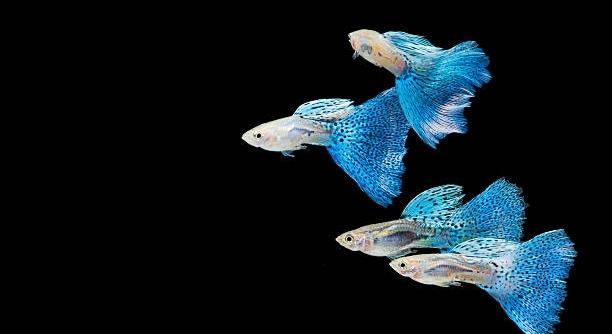
Guppies are often the centerpiece of many aquariums, providing vibrant color and lively behavior. However, it’s important to be aware of when your guppy may be feeling unsafe in its environment.
There are several signs that indicate a guppy may be feeling unsafe. These include hiding frequently, excessive fin clamping, or erratic swimming patterns. Monitoring these behaviors can help ensure that your guppy stays healthy and stress-free.
Understanding the reasons behind these signs is crucial for creating a better environment for your guppy. Adjustments can make a significant difference in reducing stress and promoting overall well-being.
Frequent Hiding
If your guppy spends a lot of time hiding, it could be a sign that it feels unsafe or stressed. Guppies are active fish, so if your guppy hides for long periods, it may be due to environmental factors like sudden changes in water conditions or the presence of aggressive tankmates. Overcrowding can also cause stress, as guppies prefer having enough space to swim freely. They tend to seek refuge in plants or decor when feeling threatened.
It’s important to monitor the tank environment. Ensure there are hiding spots available for your guppy, but not to the extent that it feels confined.
If your guppy is hiding frequently, check the water temperature and quality, and ensure there is not too much activity in the tank. Small adjustments can help your guppy feel safer and more comfortable.
Erratic Swimming
Erratic swimming, such as darting around the tank or swimming in circles, can be another indicator that something is wrong. This behavior often occurs when a guppy feels unsafe or stressed. Factors like changes in water chemistry, sharp objects in the tank, or even incompatible tankmates can cause this. If the water is too cold or too warm, it can also lead to disoriented swimming.
To fix this, make sure the temperature is consistent and within the ideal range for guppies (between 72°F and 82°F). Test the water regularly to ensure no toxic chemicals are present. Reducing the number of aggressive fish can also make a big difference.
When your guppy’s swimming becomes more natural and calm, it’s a sign that it’s regaining a sense of safety. Always adjust your tank conditions to keep the environment stable and peaceful for your fish.
Clamped Fins
Clamped fins are another clear sign that your guppy feels unsafe. When a guppy’s fins are pressed tightly against its body, it is usually a reaction to stress or discomfort. This could be caused by poor water quality, tankmates that are too aggressive, or a sudden change in its environment.
If you notice this behavior, it’s essential to check the water conditions. Ammonia or nitrite spikes are common stressors, so test the water regularly to ensure it’s safe. Additionally, guppies need a calm, stable environment to thrive, so make sure their tankmates are compatible.
Consider adjusting the layout of the tank to reduce territorial disputes between fish. A few plants and rocks for hiding spots can help reduce stress. Clamped fins usually improve once the tank conditions are ideal, so keep monitoring your guppy’s behavior.
Aggressive Tankmates
Guppies can be peaceful fish, but aggressive tankmates can make them feel threatened. If you have larger or more dominant fish in the tank, they might harass your guppy, causing it to feel unsafe. This can lead to hiding, fin clamping, or other stress-related behaviors.
Before adding fish to your tank, research their temperament and compatibility with guppies. Avoid keeping guppies with fish that are known to be aggressive or territorial. Keep an eye on interactions and remove any aggressive fish if necessary.
Tankmates that chase or nip at guppies can cause significant stress, affecting their overall health. If aggressive behavior continues, consider adjusting the tank layout, adding more hiding spaces, or separating aggressive fish to prevent harm to your guppy.
Unusual Breathing
If your guppy is breathing rapidly or at the surface of the water, it might be a sign of stress or poor water quality. This behavior indicates that the fish is struggling to get enough oxygen.
It could also suggest that your guppy is uncomfortable with the water temperature or pH levels. Test the water regularly to ensure it’s within the right parameters for guppies.
Increased breathing can also be a result of overcrowding or an imbalance in tank conditions. Make sure the tank is appropriately stocked and that the water is well-oxygenated.
Sudden Color Fading
Color fading in guppies can be a sign of stress or illness. When guppies feel unsafe, their bright colors may dim or dull. This can happen due to environmental factors like poor water quality or water temperature fluctuations.
Test the water regularly and adjust the temperature to a stable range. A guppy’s color should return to normal once the stressor is removed. If the color change is due to illness, observe for other symptoms like lethargy or poor appetite.
Monitor your guppy closely, and ensure the tank conditions are optimal for their health.
Loss of Appetite
If your guppy suddenly stops eating or eats less than usual, it could be due to stress or feeling unsafe in its environment. Guppies are known for their hearty appetites, so a loss of interest in food is an immediate red flag.
Stress from poor water quality, overcrowding, or aggressive tankmates can make your guppy lose its appetite. If the tank conditions are not ideal, the fish may refuse food.
Check your water parameters and make sure your guppy has a safe, comfortable space in the tank. Often, once the stress is relieved, the guppy will return to its normal feeding habits.
FAQ
How can I tell if my guppy is stressed?
Stress in guppies often presents as erratic swimming, hiding, clamped fins, or loss of appetite. If your guppy is avoiding other fish or spending too much time in hiding spots, it might be stressed. Monitor its behavior closely for these signs. Additionally, observe any color fading or rapid breathing, which can also indicate stress. It’s crucial to check the tank conditions like water temperature, pH, and ammonia levels to identify the source of the stress. Incompatible tankmates or overcrowding can also be significant stress factors.
What should I do if my guppy’s fins are clamped?
Clamped fins usually indicate that your guppy is feeling threatened or uncomfortable. This can happen due to poor water quality, temperature issues, or aggression from other fish. Begin by checking the water conditions and making sure they fall within the ideal range for guppies. Remove any aggressive tankmates and ensure the guppy has space to swim freely. If the stress persists, consider adding plants or decorations to provide hiding spots. A guppy’s fins should return to normal once the stress is resolved.
Can poor water quality cause my guppy to feel unsafe?
Yes, poor water quality is one of the main reasons why a guppy might feel unsafe or stressed. Ammonia and nitrite spikes are especially harmful and can lead to behavior changes like hiding, rapid breathing, or loss of appetite. Always test your water for harmful chemicals and maintain proper filtration. Regular water changes help keep the environment safe. Also, ensure that the water temperature stays within the ideal range of 72°F to 82°F, as temperature fluctuations can also cause stress.
How can I reduce the stress of my guppy in a tank with other fish?
To reduce stress in a community tank, it’s essential to choose compatible tankmates. Avoid aggressive fish that may chase or nip at your guppy. Additionally, ensure the tank is spacious enough for all the fish to swim freely without feeling overcrowded. Adding hiding spots like plants, rocks, or decorations can give your guppy a place to retreat if it feels threatened. Keep an eye on interactions between tankmates and be prepared to separate aggressive fish if needed.
Is my guppy feeling unsafe because of the tank temperature?
Yes, temperature fluctuations can make your guppy feel unsafe. Guppies prefer a stable water temperature between 72°F and 82°F. If the temperature is too cold or too hot, your guppy may become stressed and display signs like rapid breathing, lethargy, or erratic swimming. Invest in a reliable aquarium heater and thermometer to maintain a consistent temperature. Regularly check the water to ensure the conditions remain within the ideal range for your guppy’s well-being.
How can I tell if my guppy is sick or just stressed?
The key difference between sickness and stress is that stress often results from environmental factors, while sickness may be caused by parasites, infections, or other health issues. If your guppy’s behavior changes suddenly—like swimming erratically, clamping fins, or losing appetite—stress is likely the cause. However, if you notice other signs like lesions, discoloration, or swollen body parts, it could be a sign of illness. In either case, check the water quality and temperature. If symptoms persist or worsen, consult a vet who specializes in fish.
Why does my guppy hide so much?
Hiding is a common response to stress or feeling unsafe. If your guppy is spending a lot of time in hiding spots, it could be because it’s being harassed by other fish or the tank conditions are not ideal. Check for any aggressive tankmates or poor water quality. Also, guppies might hide more if they are ill or if they are adjusting to a new environment. Adding more plants or decorations can provide your guppy with safe spaces without making it feel too confined.
Can overcrowding cause my guppy to feel unsafe?
Yes, overcrowding is a significant factor that can make your guppy feel unsafe. Guppies need space to swim freely, and if the tank is too small or has too many fish, your guppy may feel stressed or threatened. Ensure that the tank size is appropriate for the number of fish you have. A good rule of thumb is one inch of fish per gallon of water. Overcrowding can lead to aggressive behaviors, poor water quality, and stress, so it’s essential to maintain a balanced and spacious tank environment.
What can I do if my guppy stops eating?
If your guppy stops eating, it could be a sign of stress, illness, or poor water quality. First, check the water parameters, especially the ammonia, nitrite, and pH levels. Guppies are sensitive to water changes, so make sure these are within the acceptable range. Also, try offering a variety of food to see if your guppy has a preference. If it continues to refuse food, observe for other symptoms like lethargy or abnormal swimming. If the problem persists, consider consulting a fish expert or veterinarian.
Why is my guppy swimming erratically?
Erratic swimming can be a sign of stress, water temperature issues, or poor water quality. Guppies might swim erratically when they are not comfortable in their environment. Check the water temperature to ensure it’s within the appropriate range, and test for any imbalances in pH, ammonia, or nitrites. Additionally, overcrowding or the presence of aggressive tankmates can cause your guppy to swim unpredictably. Make sure the tank environment is calm and spacious, with enough hiding places for your guppy to feel secure.
Final Thoughts
Guppies are generally hardy and easygoing fish, but they can become stressed if their environment isn’t ideal. Stress, aggression from other fish, poor water quality, or sudden changes in their habitat can cause them to display signs of feeling unsafe. Observing your guppy closely can help you identify these signs early and take action before the problem worsens. Ensuring that your tank conditions are stable and appropriate for guppies will go a long way in keeping them healthy and happy.
Addressing issues like poor water quality, aggression, or temperature fluctuations will make a big difference in your guppy’s well-being. Regular water changes, maintaining proper filtration, and keeping the tank free from harmful chemicals will help prevent many common problems. Additionally, providing your guppy with enough space to swim, appropriate tankmates, and hiding spots can reduce stress and promote a peaceful environment. The more effort you put into maintaining a stable and safe tank, the more likely your guppy will thrive.
If your guppy continues to show signs of stress or discomfort despite addressing the tank conditions, consider isolating it temporarily or seeking professional advice from a veterinarian. It’s essential to take action quickly when your guppy’s health is at risk. Overall, understanding the signs of stress and taking the necessary steps to create a comfortable environment will help ensure that your guppy remains happy and safe in its home.

Hello,
If you enjoy the content that we create, please consider saying a "Thank You!" by leaving a tip.
Every little bit helps us continue crafting quality advice that supports the health, happiness, and well-being of pets around the world, for pets of all shapes, sizes, and species.
We really appreciate the kindness and support that you show us!