
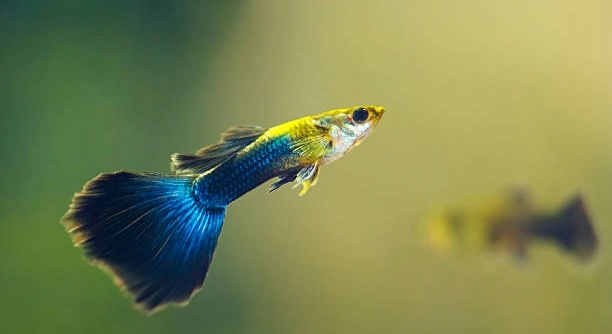
Are your guppies breeding less often than expected, or producing fewer healthy fry than you hoped for in your tank?
Enhancing guppy breeding conditions involves maintaining clean water, providing a balanced diet, and ensuring adequate plant cover for fry protection. Stable temperatures, low stress levels, and a proper male-to-female ratio also significantly improve breeding success.
These simple steps can make a noticeable difference in your guppy tank, leading to a healthier environment and more consistent breeding results.
Maintain Clean and Stable Water Conditions
A clean tank is one of the most important parts of successful guppy breeding. Guppies thrive in well-maintained water that is free of toxins and sudden fluctuations. Use a reliable filter to keep waste under control and perform regular water changes—about 25% each week is ideal. Keep ammonia and nitrite levels at zero, and aim for a nitrate level below 40 ppm. Test your water regularly to ensure everything stays stable. Guppies also prefer a pH between 7.0 and 7.8, and a temperature range of 76°F to 82°F. Avoid dramatic changes that can cause stress and reduce breeding activity.
Clean water helps guppies feel safe and relaxed, which is essential for them to breed consistently and produce healthy fry.
If the water becomes dirty or unstable, guppies may stop breeding or become sick. Even subtle shifts in pH, temperature, or waste levels can affect their ability to reproduce properly. For example, if the temperature drops too low, males may become sluggish, and females may stop developing eggs. A simple way to keep water conditions stable is to use a heater with a thermostat and monitor it weekly. Also, avoid overcrowding, as it can lead to poor water quality and increase stress levels in the tank.
Provide Dense Plant Cover
Live or artificial plants play a key role in protecting baby guppies from adult fish.
Female guppies often give birth without warning, and the fry need safe places to hide immediately. Dense plants such as Java moss, hornwort, or guppy grass offer great coverage for young fish. These plants also help improve water quality by absorbing excess nutrients and creating a natural feel in the tank. Floating plants like duckweed or Amazon frogbit add additional hiding spaces near the surface. You don’t need to fill the tank completely, but make sure there are several thick clusters that provide both vertical and horizontal shelter. Fry that are able to hide within the first few hours have a much higher survival rate.
Plants should be arranged to create layers and corners where fry can retreat without being seen by adult guppies. Placing clumps in the back and corners of the tank allows the young fish to remain hidden while still being able to feed freely. A mix of rooted and floating plants will also give the adults places to rest, reducing their stress. The result is a more peaceful environment where fry can grow safely and adults feel less pressure. Keep plants trimmed and healthy to prevent overcrowding or decay.
Feed a High-Quality and Varied Diet
Feeding guppies well helps them stay strong and encourages breeding. A mix of dry flakes, frozen foods, and live options works best. Variety gives them the nutrients they need for growth, energy, and reproductive health.
Guppies should be fed small amounts two to three times a day. Include high-protein options like brine shrimp, daphnia, and bloodworms, along with quality flake food. These choices improve their energy and fertility. Live foods can help trigger breeding behavior in males and support egg development in females. Overfeeding should be avoided to prevent water quality issues. Feed only what they can finish in about one minute. Clean up any uneaten food right after feeding.
A strong diet helps females carry more fry and males maintain energy for active mating. Guppies also show brighter colors and better movement when they get proper nutrition. Crushed algae wafers or spirulina flakes can offer extra nutrients. Rotate food sources regularly to keep them from becoming picky eaters. You can even grow your own live food at home using small cultures like microworms or vinegar eels. A good diet supports every stage of breeding, from mating to fry development.
Control the Male-to-Female Ratio
Too many males in a guppy tank can cause stress for females. Aim for at least two or three females per male to prevent constant chasing. This gives females more time to rest and improves breeding results.
When males outnumber females, breeding becomes chaotic and stressful. Males tend to harass females constantly, which leads to exhaustion and health issues. A proper ratio allows females to recover between mating attempts. It also helps reduce aggressive behavior in the tank. If you notice signs of stress—such as clamped fins, hiding, or poor appetite—it may be time to adjust the ratio. Having more females also means more fry and fewer missed breeding opportunities.
In tanks with balanced numbers, guppies interact more calmly. The females feel safer, and the males don’t compete as aggressively. You can separate aggressive males or rotate them into a breeding tank for short periods. This helps maintain peace in the main tank. Watch for changes in behavior and adjust the ratio as needed over time. Making small changes can lead to much healthier conditions for everyone.
Reduce Tank Stress
Guppies breed better when they feel relaxed. Bright lights, loud noises, or sudden movements around the tank can affect their behavior. Keep the tank in a calm spot, away from high-traffic areas or constant vibrations.
Use soft lighting and add decorations or plants to provide hiding spaces. Stress-free guppies are more likely to breed and stay healthy.
Maintain Consistent Tank Temperature
Temperature affects breeding directly. Guppies need warmth to stay active and fertile. Keep the tank between 76°F and 82°F, and use a heater with a thermostat to avoid sudden changes. Rapid drops or spikes in temperature can stop females from carrying fry to term or reduce the mating activity of males. Check the temperature daily to ensure it stays within range. Even small shifts can impact their comfort. If you live in an area with wide room temperature changes, consider using a heater with an automatic shutoff to prevent overheating. A stable temperature is one of the easiest ways to keep guppies healthy and productive.
Choose a Gentle Filter
Strong water currents can stress guppies, especially young fry. Use a sponge filter or reduce flow with a pre-filter sponge.
FAQ
How often do guppies breed?
Guppies breed often when conditions are right. A healthy female can give birth every 28 to 35 days. Once she mates, she can store sperm and produce multiple batches of fry without needing to mate again. This means you can expect a regular cycle of new fry as long as the female stays healthy and the tank environment supports her needs. If you notice she is not producing, it may be due to stress, illness, or poor water quality. Keeping a consistent setup encourages frequent and healthy breeding.
How many babies can a guppy have at one time?
Guppies can give birth to anywhere between 20 to 60 fry in one batch, though some may have over 100 if they are large and healthy. First-time mothers usually produce fewer, but the number often increases over time. Factors like age, diet, and overall health play a big role. If the tank is peaceful and the female is not stressed, she’s more likely to carry a larger number of fry. Make sure she has access to hiding spots and enough food, especially during pregnancy.
Do guppies eat their own fry?
Yes, adult guppies often eat their fry if given the chance. It’s a natural behavior, not due to hunger but more out of instinct. Fry are vulnerable, especially during the first few hours after birth. That’s why hiding spaces and dense plant cover are so important. You can also use a breeding box or move the pregnant female to a separate tank to protect the fry. Once they grow bigger and are less at risk, they can be reintroduced to the main tank.
Can you keep male and female guppies together all the time?
You can, but it’s best to manage the male-to-female ratio carefully. Too many males will stress out the females, causing exhaustion or illness. A ratio of two or three females per male helps reduce pressure. If you want to control breeding or give females a break, you can separate them temporarily. Long-term housing works well as long as everyone is healthy and there’s enough space and cover.
Do guppies need a heater to breed?
Yes, they usually need a heater, especially if room temperature drops below 76°F. Guppies are tropical fish and require warmth to stay active and reproduce. Cold water slows down their metabolism and weakens their immune system. Use a reliable heater with a thermostat to avoid sudden changes. Even a small drop in temperature can stop breeding activity or cause females to abort fry. Keeping things consistent is key.
How can you tell if a female guppy is pregnant?
A pregnant female guppy will look more rounded near the back half of her body. You’ll often see a dark gravid spot near her tail, which becomes more visible as she gets closer to giving birth. She may also hide more, eat more, or seem slower than usual. These signs usually appear one to two weeks before birth. Watching her behavior and body shape helps you prepare your tank or move her to a safe space if needed.
Do guppies need live plants to breed?
Live plants aren’t required, but they help a lot. They give fry a place to hide and keep the adults calmer. Live plants also improve water quality by absorbing waste and offering natural shelter. Guppy grass, hornwort, and Java moss are great options. If live plants aren’t available, you can use soft plastic ones, but avoid sharp decorations that can injure fry or snag fins.
Is it okay to breed guppies in a small tank?
Breeding can happen in small tanks, but larger ones are better. A 10-gallon tank is usually the minimum size for a breeding setup. Smaller tanks get dirty fast, and waste builds up quicker. This can affect both the adults and the fry. If you use a small tank, monitor water conditions often and perform frequent partial water changes. Also, avoid overcrowding. Too many fish in a small space increases stress, lowers oxygen, and may lead to poor fry survival rates.
Final Thoughts
Breeding guppies can be simple when you focus on a few key conditions. Clean water, stable temperature, and a balanced diet all play a part in keeping your guppies healthy and ready to breed. Stress-free surroundings also help them feel safe, which is important for females carrying fry. The more comfortable they feel in their environment, the more likely they are to produce healthy young. While some adjustments may take time to figure out, small improvements to their tank can make a big difference in their behavior and breeding results.
If you want to increase your fry survival rate, adding plants or hiding spots is one of the easiest steps to take. Whether you use live plants or soft artificial ones, the added cover gives young fry a place to hide from adults and grow without constant stress. Paying attention to the adult guppies is just as important. A good male-to-female ratio helps reduce pressure on the females, and removing aggressive or sick fish can prevent disruptions in the tank. With the right care and attention, your guppies will likely breed more often and produce fry that grow up strong and active.
You don’t need a complicated setup or expensive equipment to see results. Many breeders start with simple tanks and learn by watching what works best for their fish. Every tank is different, and guppies may react in slightly different ways depending on their environment. What matters most is being consistent. Feed them well, clean their tank regularly, and avoid large changes to their routine. Guppies are hardy and adaptable, but they still benefit from steady care. With time and patience, you’ll start to notice patterns and learn how to adjust your setup to match their needs. Whether you’re breeding for fun or building a larger guppy tank, these basic tips will help you create a safe and healthy space where your guppies can thrive.

Hello,
If you enjoy the content that we create, please consider saying a "Thank You!" by leaving a tip.
Every little bit helps us continue crafting quality advice that supports the health, happiness, and well-being of pets around the world, for pets of all shapes, sizes, and species.
We really appreciate the kindness and support that you show us!