
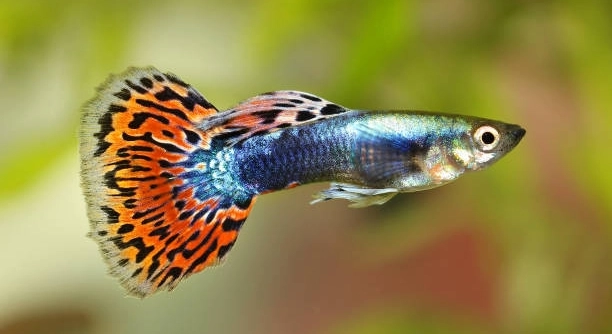
Guppies are popular aquarium fish known for their vibrant colors and lively nature. However, if your guppy’s tail appears stiff, it can be concerning. This condition could result from several factors affecting their health and behavior.
A stiff tail in guppies is often caused by a variety of reasons, such as water quality issues, fin rot, poor diet, or stress. Infections, parasites, and genetic factors can also contribute to this problem. Identifying the root cause requires close observation and proper care.
By understanding these possible causes, you can better address the issue and promote a healthy environment for your guppy. Keep reading to learn about each factor in detail.
Poor Water Quality
Poor water quality is one of the most common reasons behind a guppy’s stiff tail. Fish need clean, oxygenated water to stay healthy. When ammonia, nitrites, or nitrates build up in the water, it can cause stress, leading to behavioral changes and physical symptoms like tail stiffness. Additionally, improper pH levels and high levels of chlorine or chloramine can further harm the fish.
Water temperature also plays a crucial role. Guppies thrive in a temperature range of 72-82°F (22-28°C). Anything outside this range can negatively affect their health, leading to issues like a stiff tail.
Testing the water frequently and performing regular water changes can help maintain a healthy environment for your guppy. Keeping the water clean and properly balanced not only prevents tail stiffness but also promotes overall well-being. A proper filtration system and dechlorinator for tap water will further ensure your guppies stay happy.
Fin Rot
Fin rot is another possible cause of your guppy’s stiff tail. It’s a bacterial infection that can damage the fins and tail, making them appear stiff, discolored, or ragged. It often occurs when fish are stressed or exposed to poor water conditions.
If you notice other signs such as faded or frayed fins, it’s important to take action. Isolating the affected guppy in a quarantine tank with improved water quality can prevent the infection from spreading. In some cases, using a medicated treatment for fin rot may help the healing process.
Keeping your guppy in a stress-free environment with clean water and proper nutrition is key to preventing fin rot. This proactive approach ensures that your guppy remains healthy and vibrant.
Stress
Stress is a leading cause of a stiff tail in guppies. Factors like sudden changes in the environment, overcrowding, or aggression from tank mates can stress them out. Even minor disturbances can affect their behavior and cause physical symptoms.
To minimize stress, maintain a peaceful environment for your guppy. Ensure they have enough space to swim freely, and avoid adding too many fish to the tank. Provide hiding spots with plants or decorations, where your guppy can retreat if needed. A calm, stable environment helps reduce stress and promotes healthier fins.
It’s also important to keep a consistent feeding schedule. Overfeeding can lead to poor water quality, adding stress to your guppy. Similarly, feeding them a balanced, high-quality diet will keep them healthy and resilient. Reducing stress in the tank will help prevent tail stiffness and keep your guppy active and vibrant.
Poor Diet
A poor diet can also lead to a stiff tail. Guppies need a varied diet rich in nutrients to stay healthy. If their diet lacks essential vitamins and minerals, it can affect their overall health, including their tail.
Feeding your guppy a balanced diet that includes high-quality fish flakes, pellets, and occasional treats like brine shrimp or daphnia is key. Vitamin A, C, and E are especially important for maintaining their immune system and skin health. Deficiencies in these nutrients can lead to weakened fins and tails, making them more prone to stiffness.
A well-balanced diet boosts your guppy’s resilience to disease and helps maintain its vibrant appearance. Avoid overfeeding, as this can lead to water quality issues. Consistently providing proper nutrition helps prevent many common health issues, including stiff tails.
Infections
Infections, such as parasites or bacteria, can cause your guppy’s tail to become stiff. These infections often occur when water quality is poor or when the fish is exposed to harmful microorganisms. Visible symptoms like redness, swelling, or sores often accompany the stiff tail.
Treating an infection promptly is essential. Isolate the affected fish and add medication to the water as necessary. If the infection is bacterial, antibiotics may be required to prevent it from spreading. Clean water and maintaining a stable environment can prevent future infections, reducing the risk of tail stiffness.
Genetics
Genetics play a significant role in your guppy’s tail health. Some guppies are naturally prone to tail deformities or weakness. These genetic issues may result in stiffness or other physical problems that affect their tails.
While you can’t change their genetics, selecting healthy, well-bred guppies can help prevent such issues. Breeding guppies with strong, healthy characteristics can reduce the risk of inherited tail problems. In some cases, if the issue is severe, it’s best to separate affected fish to prevent passing on these traits.
Environmental Factors
Environmental factors, such as fluctuations in temperature, lighting, or water parameters, can cause stress and affect the condition of your guppy’s tail. Keeping the tank in a stable, consistent environment helps your guppy thrive and reduces the likelihood of tail stiffness.
FAQ
Why is my guppy’s tail stiff and not moving?
A stiff tail in guppies is often a sign of poor water quality, stress, or an infection. When water parameters are off, such as high ammonia levels or incorrect pH, it can cause discomfort and result in physical symptoms like a stiff tail. Stress from overcrowding, aggressive tank mates, or sudden changes in the environment can also affect their tails. Infections such as fin rot or parasites may also cause a stiff tail, and in some cases, it could be due to a nutritional deficiency. Proper care and regular monitoring of water quality can help address this issue.
Can poor water quality cause my guppy’s tail to become stiff?
Yes, poor water quality is a common cause of tail stiffness in guppies. When water parameters such as ammonia, nitrites, or nitrates are high, it stresses the fish, leading to various health issues, including stiff tails. Fish need clean, well-filtered water to stay healthy, and any irregularities in the water can cause them to become sick. Regular water testing and frequent water changes are key to keeping your guppy in a healthy environment.
How can I improve water quality for my guppy?
To improve water quality for your guppy, regularly test the water to ensure it has proper levels of ammonia, nitrites, and nitrates. Make sure the pH is balanced within the ideal range for guppies (6.8 to 7.8). Use a reliable filtration system to remove excess waste and toxins, and perform partial water changes of 20-25% every week. This helps to maintain optimal water quality. Additionally, using a dechlorinator for tap water is essential to protect your guppy from harmful chemicals.
Could stress be the cause of my guppy’s tail stiffness?
Yes, stress can lead to a stiff tail in guppies. Stressful conditions like overcrowding, aggressive tank mates, or sudden changes in water temperature or lighting can cause physical symptoms like tail stiffness. Guppies are sensitive to their environment, and a stressed guppy may exhibit changes in behavior, including tail issues. Creating a calm and stable tank environment with plenty of space, hiding spots, and compatible tank mates can help reduce stress and prevent tail stiffness.
How do I reduce stress for my guppy?
To reduce stress for your guppy, maintain a consistent environment. Keep the tank temperature within the range of 72-82°F (22-28°C), and avoid sudden changes in the water. Ensure the tank is not overcrowded and provide enough hiding spaces with plants or decorations for the guppies to retreat to when they feel threatened. Avoid keeping aggressive species in the same tank, as this can cause stress. A stable, peaceful environment will keep your guppy happy and reduce the risk of tail stiffness.
Can a poor diet affect my guppy’s tail?
Yes, a poor diet can affect your guppy’s tail and overall health. Guppies need a balanced diet that includes high-quality fish flakes, pellets, and occasional treats like brine shrimp or daphnia. Deficiencies in essential vitamins and minerals, such as Vitamin A, C, and E, can weaken their immune system and cause tail issues, including stiffness. Feeding your guppy a proper diet ensures they receive the nutrients needed to maintain healthy fins and a vibrant appearance.
What should I feed my guppy for better tail health?
To support your guppy’s tail health, provide a balanced diet rich in essential nutrients. Offer high-quality flakes or pellets as the staple food, ensuring they contain proteins, vitamins, and minerals. Include occasional treats like live or frozen brine shrimp, daphnia, or bloodworms to add variety. Make sure the food is suitable for their size and nutritional needs. Additionally, avoid overfeeding, as excess food can degrade water quality, leading to potential health problems, including stiff tails.
Could my guppy’s stiff tail be caused by fin rot?
Yes, fin rot could be the cause of your guppy’s stiff tail. Fin rot is a bacterial infection that affects the fins and tail, making them appear frayed, discolored, or stiff. It usually happens when the fish is stressed or exposed to poor water conditions. If left untreated, fin rot can progress, leading to further damage. If you notice other signs of fin rot, such as discoloration or fraying of the tail, isolate your guppy and consider using a medicated treatment for fin rot.
How do I treat fin rot in my guppy?
To treat fin rot, first isolate the affected guppy in a separate quarantine tank to prevent the infection from spreading. Perform a water change and improve the water quality in the quarantine tank. You may need to use a medicated treatment specifically designed for fin rot, available at most pet stores. Follow the instructions carefully and continue to monitor the water parameters. If the infection persists or worsens, consult with a veterinarian for more advanced treatment options.
Can genetics cause a stiff tail in guppies?
Genetics can play a role in a guppy’s tail health. Some guppies may have inherited weaknesses in their fins or tail structure, making them more prone to stiffness or deformities. While you cannot change your guppy’s genetics, choosing healthy, well-bred guppies can reduce the risk of these inherited issues. If the stiff tail is genetic, it may be a lifelong issue, but it won’t worsen as long as the fish is kept in a stable and healthy environment.
Final Thoughts
Understanding why your guppy’s tail may become stiff is essential in addressing the problem effectively. Many factors can contribute to this issue, including poor water quality, stress, infections, or even a lack of proper nutrition. Identifying the root cause is crucial to providing the best care for your guppy and helping it recover quickly. Regular water testing, maintaining a stable environment, and offering a balanced diet are key steps to preventing tail stiffness in the future. A little attention to these details can go a long way in keeping your guppy healthy and happy.
It’s also important to remember that each guppy is different, and their needs may vary. Some may be more sensitive to changes in water conditions or temperature, while others may have genetic factors that make them more prone to tail problems. As a guppy owner, it’s your responsibility to observe your fish regularly, watch for signs of stress or illness, and take action as needed. If you notice your guppy’s tail becoming stiff, don’t hesitate to adjust the tank conditions, isolate the fish if necessary, or treat it for infections.
By staying proactive and attentive, you can ensure your guppy remains in optimal health. Taking the time to address water quality, tank conditions, and diet will reduce the chances of future problems with tail stiffness. Remember, your guppy’s well-being depends on consistent care and a suitable environment. With the right approach, you can enjoy watching your guppy thrive, swim freely, and maintain its vibrant tail.

Hello,
If you enjoy the content that we create, please consider saying a "Thank You!" by leaving a tip.
Every little bit helps us continue crafting quality advice that supports the health, happiness, and well-being of pets around the world, for pets of all shapes, sizes, and species.
We really appreciate the kindness and support that you show us!