
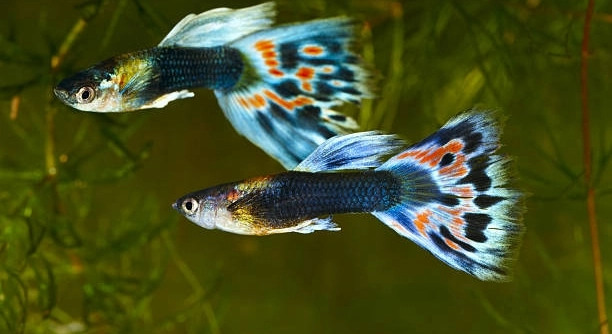
Guppy fry are often a sight to behold with their vibrant colors. However, some guppy fry may struggle to develop those bright hues. Understanding why your guppy fry are not developing their colors can help improve their growth and health.
There are various reasons why your guppy fry may not develop colors as expected. Factors such as genetics, water quality, diet, and lighting can play significant roles. Ensuring proper care, nutrition, and environment is essential for their healthy color development.
Addressing these factors will help ensure your guppy fry reach their full potential and display vibrant colors. Keep reading to learn more about the causes and how to resolve them.
Genetic Factors Affecting Color Development
One of the primary reasons your guppy fry may not be developing their colors could be linked to their genetics. Guppies come in many varieties, and some naturally develop brighter colors than others. If the parents of your fry have dull or less vibrant colors, it’s possible that the fry will inherit these traits. The color development in guppy fry is often influenced by their genetic makeup, and there’s not much you can do to change it. Even if you provide the best care and environment, their genetic disposition will determine the intensity of their coloration.
Genetics play a big role in the coloration of guppy fry. It’s important to remember that some fry are simply not going to have as vibrant of colors, even under ideal conditions.
Understanding this can help you manage expectations for your guppy fry. If you’re hoping for a more colorful display, you may want to focus on breeding guppies with vibrant hues.
Water Quality Issues
Water quality is crucial for the overall health of guppy fry. If the water is too dirty or the pH levels are off, it can affect their color development. Guppy fry need clean, well-maintained water to thrive. Regular water changes and proper filtration can help keep the environment stable.
When the water quality is poor, guppy fry may also experience stress, which can slow down their color development. Ammonia or nitrite buildup is harmful and can cause stress, making it harder for the fry to develop vibrant hues. Keeping water conditions stable will improve their chances of growing beautiful colors.
Make sure the water is consistently clean and well-filtered. Test the water regularly to ensure that pH, temperature, and ammonia levels are in the safe range. Consistent water care is essential for the fry to grow and develop their colors over time.
Poor Diet and Nutritional Deficiencies
A balanced diet is key to the growth and development of guppy fry. If the fry aren’t receiving the right nutrients, their color may not develop fully. Providing high-quality, nutrient-rich food like brine shrimp or specially formulated fry food is important for their color development.
Nutrient deficiencies can cause stunted growth, dull colors, or even health issues. Ensure the fry are being fed small amounts several times a day. A lack of proper nutrition, especially when it comes to vitamins and minerals, may result in a lack of color intensity.
If you notice the fry aren’t showing their colors, try adjusting their diet. Offer variety, including both live and prepared foods. Proper nutrition will not only help the fry grow but also promote the development of their natural colors.
Lighting Conditions
Lighting plays a big role in the color development of guppy fry. If they don’t get enough light, their colors may appear dull. Guppies need proper lighting to help stimulate their color genes. Ensure they have exposure to moderate light levels daily.
Too much light can also cause problems. Excessive lighting can stress the fry, leading to poor health and stunted growth. A good balance of natural light or aquarium lighting should be maintained to encourage healthy color development without causing stress.
Proper lighting helps guppy fry grow and thrive. Regular, controlled light exposure is key to enhancing their color display as they develop.
Temperature Fluctuations
Temperature changes can negatively impact the growth and color development of guppy fry. Guppies prefer a consistent water temperature between 75–80°F. Fluctuations can stress them, leading to delayed or dull color development. A heater with a reliable thermostat can help maintain stability.
A stable environment reduces stress and allows the fry to grow at a healthy pace. The right temperature ensures they can focus on developing their colors, rather than just surviving. Keeping the water temperature consistent will improve the fry’s overall health and appearance.
FAQ
Why aren’t my guppy fry showing any color?
There are several reasons your guppy fry may not be showing color. The most common reason is genetics. If the parent guppies had dull colors, the fry may inherit these traits. Other factors include poor water quality, improper diet, or insufficient lighting. Stress can also prevent color development. Ensure the water is clean, the fry are well-fed, and they are in a stable environment with proper lighting.
Can I make my guppy fry more colorful?
While you can’t change their genetic makeup, you can help improve the environment and care to maximize the potential for color development. Ensuring high water quality, providing a balanced diet, and maintaining proper lighting conditions can all enhance the colors of your guppy fry. Proper care may result in more vibrant hues as they grow.
What kind of food should I feed my guppy fry to help them develop colors?
A varied diet with high-quality foods is key for color development. Offer a mix of brine shrimp, daphnia, and specialized fry food. These provide essential nutrients for growth and color development. Vitamin-rich foods, like spirulina, can also help bring out brighter colors in the fry.
How does lighting affect guppy fry color development?
Lighting can have a significant effect on guppy fry’s coloration. A lack of proper lighting can cause their colors to appear dull. However, too much light can cause stress, which negatively impacts their growth. Aim for moderate lighting to help your guppy fry develop their full color potential.
Can stress affect the color of guppy fry?
Yes, stress can lead to dull colors in guppy fry. Factors like overcrowding, poor water quality, and temperature fluctuations can stress the fry, hindering their ability to develop vibrant colors. A stable and calm environment helps the fry grow healthily and display their natural colors.
How can I improve the water quality for my guppy fry?
To improve water quality, use a reliable filtration system and perform regular water changes. Test the water for ammonia, nitrites, and pH levels. Keep the water clean and free from toxins, and maintain a steady temperature. Proper water quality promotes healthy development and vibrant coloration.
Why are some of my guppy fry not growing as fast as others?
Growth rates can vary due to genetics, food availability, and environmental factors. Fry with weaker genetic traits might grow slower. Poor diet, insufficient lighting, and inadequate water conditions can also stunt growth. Ensure your fry are fed enough and that their environment is optimal for development.
Should I separate the guppy fry from the adults?
It’s a good idea to separate the fry from adult guppies to prevent them from being eaten. Adult guppies may also stress the fry, slowing down their growth and color development. A separate tank or fry net can offer a safer and more controlled environment for the fry.
How long does it take for guppy fry to develop their colors?
It can take a few weeks to a couple of months for guppy fry to develop noticeable colors. The timeline depends on factors such as genetics, diet, and water conditions. Typically, by 8-12 weeks, their colors should be more prominent as they mature into juveniles.
Are some guppy fry naturally less colorful than others?
Yes, some guppy fry are naturally less colorful due to genetic factors. Guppies are known for their wide range of color variations, and some lines are less vibrant than others. If you are breeding for specific colors, choose parents with the desired traits to increase the chances of more colorful fry.
Final Thoughts
Guppy fry can be a joy to watch as they grow and develop, but sometimes, their color development may not be as expected. Several factors, including genetics, water quality, diet, and environmental conditions, can affect how quickly and vibrantly their colors appear. Understanding these factors helps in managing expectations and improving the conditions for healthy growth. While there’s no quick fix for slow color development, taking proper care of the fry will eventually lead to the best possible results.
By focusing on water quality, diet, and a stable environment, you can give your guppy fry the best chance to thrive and develop vibrant colors. Genetics will always play a significant role, so some fry may naturally have less intense colors. However, providing a nutrient-rich diet, ensuring clean water, and giving them access to appropriate lighting will help stimulate their color development. It’s also important to remember that stress can impact their growth, so keeping the environment calm and stable will help them grow without hindrance.
With patience and consistent care, your guppy fry will likely develop their beautiful colors in time. It’s important to keep monitoring their environment and adjust their care as needed. While genetics may limit the colors of some fry, proper care can help them reach their full potential. Focus on providing a balanced and healthy environment, and you’ll enjoy watching your guppy fry grow into colorful, healthy adults.

Hello,
If you enjoy the content that we create, please consider saying a "Thank You!" by leaving a tip.
Every little bit helps us continue crafting quality advice that supports the health, happiness, and well-being of pets around the world, for pets of all shapes, sizes, and species.
We really appreciate the kindness and support that you show us!