
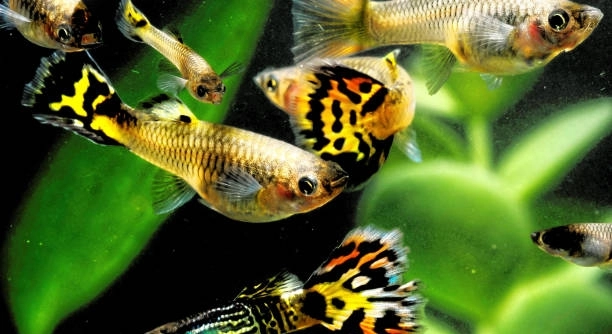
Have you ever set up a guppy tank only to notice your fish seem stressed or constantly dart around without resting?
Guppies need hiding spots to reduce stress, feel secure, and maintain healthy social behavior. These areas offer refuge during mating, protect weaker fish, and help establish peaceful territories. Lack of cover can lead to illness or aggression.
Creating the right environment helps your guppies feel safe, stay active, and thrive in their tank with minimal stress and conflict.
Hiding Spots Help Reduce Stress in Guppies
In a tank without proper cover, guppies are more likely to become anxious. Constant exposure to movement, light, or aggressive tankmates makes them feel unsafe. When guppies are stressed, their immune systems weaken, making them more prone to illness. Providing hiding spots like plants, caves, or small decorations helps reduce this stress by offering a safe retreat. It gives them a break from constant activity and visual stimuli, especially if the tank is busy or shared with other species. Less stress also means more consistent feeding, healthier colors, and better activity levels. Even the most confident guppies benefit from having places to rest quietly and feel secure. These hiding spots mimic the natural environments they come from, where cover is essential for survival. Giving your guppies this sense of protection allows them to live longer, healthier lives in your care without unnecessary anxiety or illness.
A calm guppy is much easier to care for and more likely to thrive in its tank.
Setting up hiding spots doesn’t need to be complicated or expensive. Silk or live plants, smooth rocks, small terracotta pots, and aquarium-safe ornaments all work well. The goal is to provide areas where guppies can retreat out of sight when needed. Keep them spaced out to reduce tension among fish, especially in a crowded tank. Try to include both low and mid-level options for cover so guppies can choose where they feel safest. Tall plants are good for background cover, while small caves or overturned decorations are ideal for short hiding breaks. You’ll likely notice your guppies swimming more freely once they know there’s a safe place nearby. It also reduces the chances of bullying in mixed-species tanks, giving all fish a better chance at peaceful cohabitation. Observing their natural behavior is more enjoyable when they feel secure and aren’t constantly on edge.
Hiding Spots Make Mating Safer
In community tanks, mating guppies are often disturbed or chased by other fish, especially if there’s no cover.
Female guppies benefit the most from hiding areas during mating. When male guppies are constantly pursuing them, it can lead to stress, exhaustion, and injury. Hiding spots allow females to escape the attention when they need a break. These areas also help fry (baby guppies) avoid being eaten after birth. Guppies don’t guard their young, so fry survival heavily depends on tank design. Thick plants, moss, and floating vegetation create barriers and escape routes for fry, giving them time to grow and stay safe. Without hiding areas, only a few fry may survive. Mating should be a natural process without adding stress or harm. Proper tank design supports the health of both adults and their offspring, ensuring successful breeding and a healthy population. When guppies can choose their interactions and rest when needed, the tank becomes a much more balanced and peaceful environment.
Hiding Spots Prevent Aggression
Guppies are usually peaceful, but they can become aggressive when there’s competition for space or attention. Hiding spots help reduce tension by giving fish places to retreat, reset, and avoid unnecessary conflict during active or stressful moments.
Male guppies often compete for attention, especially in tanks with limited space. Without hiding spots, this can lead to chasing, nipping, or even injury. When guppies have access to plants or small caves, it gives them a chance to break away from constant interaction. This helps lower their stress and reduces the need to fight for territory. It also allows weaker or more passive guppies to rest without being disturbed. This kind of separation helps create a more balanced tank environment where every guppy has space to thrive. It’s an easy solution that can prevent ongoing behavioral problems in a community tank.
Territorial fish in the same tank as guppies may also cause stress. If a dominant fish tries to claim the whole tank, your guppies can get caught in the middle. When there are no barriers or shelter, guppies become more exposed to threats. By adding natural breaks in the layout of your tank, you offer space for guppies to safely escape and avoid confrontations. Even peaceful tankmates can cause stress during feeding or cleaning if guppies feel they have no safe zone. Creating visual barriers helps maintain peace among all species. Guppies become more confident when they know they can hide, leading to better behavior, stronger health, and a more relaxed environment overall.
Hiding Spots Support Fry Survival
When guppies give birth, the fry are tiny and vulnerable. Without hiding areas, these newborns are often eaten within hours. Plants, rocks, and moss give them a fighting chance by creating safe zones for quick escape and shelter.
Fry don’t understand danger yet, and they don’t always avoid other fish. That’s why tank design matters so much. Floating plants like hornwort or guppy grass are great because fry can swim up into them and hide. These floating covers offer layers of protection from above and below. Guppy fry will also naturally stay near calm zones, and hiding spots make these areas easier to find. Even simple items like sponge filters or stacked stones can provide quiet shelter. Keeping adults distracted with food or spreading out their movement helps too. If your goal is to grow your guppy population, then protecting fry with strong hiding spaces is one of the easiest steps to take.
Hiding Spots Help Guppies Sleep Better
Guppies need low-stress conditions to rest properly. Without hiding spots, they may stay alert longer and miss out on needed sleep. Quiet corners, plant cover, or small caves help them relax and recharge without constant motion or disturbance.
A calm resting space supports healthier immune systems and better colors. When guppies feel secure, they settle down more often and become less reactive. Adding soft lighting and dense hiding zones can encourage better sleep routines and overall well-being in your tank.
Hiding Spots Encourage Natural Behavior
When guppies have places to hide, they explore more freely. They move through plants, inspect new areas, and establish small territories. This type of behavior keeps them active and mentally stimulated, which reduces boredom. A well-decorated tank promotes natural movement patterns, making the environment more dynamic. Hiding spots also encourage healthier feeding behavior. Guppies feel less pressured and will eat at a relaxed pace when they have cover nearby. Over time, they begin to display stronger colors, more consistent energy levels, and better social habits. Adding variety in textures and shapes helps mimic their natural habitat, giving them more ways to engage with their surroundings.
Hiding Spots Support Tankmate Compatibility
In a mixed tank, guppies can feel overwhelmed by faster or larger fish. Hiding areas offer protection from unwanted interaction and reduce social pressure. This makes it easier for guppies to share space with different species peacefully.
FAQ
Do guppies really need hiding spots in every tank?
Yes, hiding spots are necessary in every guppy tank, no matter the size. Guppies are small, active fish that still need places to rest and feel safe. Even in peaceful tanks, they can become stressed without cover. These hiding areas help lower anxiety, give them breaks from constant movement, and support healthier behavior overall. Whether it’s a few live plants, rock caves, or floating moss, providing cover can make a big difference. Guppies raised in tanks with hiding spots are more colorful, calm, and active. It’s a simple addition that helps in many ways.
What types of hiding spots work best for guppies?
Soft, plant-based hiding spots are ideal for guppies. Floating plants like hornwort or guppy grass are especially good because they offer gentle cover without blocking swimming space. Dense clumps of java moss or rooted plants like anubias or water sprite work well too. You can also use small decorations with holes, smooth rocks, or miniature caves, as long as there are no sharp edges. Avoid anything with small, tight gaps where a guppy might get stuck. The goal is to offer coverage without restricting movement. Mixing natural and artificial hiding areas gives guppies more options.
Do hiding spots affect guppy breeding?
Yes, they help quite a bit. When female guppies are ready to give birth, they often look for quiet, covered spaces. If those spaces aren’t available, they may become stressed or delay giving birth. Hiding spots also help protect the fry after they’re born. Adult guppies, including the mother, might eat the fry if there’s nowhere for them to hide. Plants, mosses, and caves give fry a chance to escape and grow safely. If you’re planning to breed guppies or want a few babies to survive naturally, hiding spots are essential in the tank setup.
Can too many hiding spots cause problems?
Not usually. Guppies are small and don’t need a ton of space to navigate, so even tanks with a lot of cover usually work fine. However, if the tank becomes too cluttered, it might affect water flow or make cleaning harder. Always leave enough open swimming areas and check that your filter can still circulate water well. Try to create balance by placing hiding spots around the edges and leaving the center more open. This layout keeps guppies active while still offering rest and safety. As long as they can swim easily, more cover is usually better than not enough.
How do hiding spots affect guppy behavior?
They create a calmer tank environment. Guppies with access to hiding areas are less likely to dart around nervously or show signs of stress. Males also become less aggressive when females can escape constant chasing. With hiding places nearby, guppies become more confident, curious, and social. You may even see them resting more often or hanging out calmly inside the cover. These behaviors are signs that your tank setup is supporting their natural instincts. When guppies feel safe, they behave more normally and display their colors more vividly.
Can hiding spots improve tankmate relationships?
Definitely. If you keep guppies with other species, hiding areas help prevent stress during feeding, swimming, or social interactions. Some fish swim faster or nip, which can make guppies nervous. Hiding areas give them a break. They also reduce territory fights by offering separate spaces to retreat. Even if your other fish are peaceful, having places to hide helps your guppies feel more secure. It allows all fish to settle into their roles more easily, making the entire tank more balanced and calm.
Do guppies use hiding spots at night?
Yes. Guppies don’t sleep like humans, but they do rest. At night or during quiet times, they often float near the bottom or tuck themselves into plant cover. Hiding spots give them a sense of safety while resting. Without these areas, guppies may feel exposed and stay too alert to relax. Over time, lack of proper rest can affect their health. If your tank has bright lighting or frequent activity, hiding places become even more important to help them wind down and stay healthy. Providing dark, soft areas helps mimic the natural conditions they need.
Are hiding spots still needed in tanks with just guppies?
Yes, even in guppy-only tanks, hiding spots are still important. Guppies can become stressed from overactivity or competing for attention, especially if males outnumber females. Hiding spots help break up movement and offer quiet zones for rest. They also help reduce social tension. Without any tankmates to worry about, guppies still benefit from the feeling of security hiding areas provide. Natural behavior like resting, exploring, or giving birth all happen more easily when they have cover. Even a few floating plants can give them enough privacy to relax.
Can hiding spots change the look of my tank?
Yes, in a good way. Adding plants, rocks, and decorations not only helps guppies but also makes the tank more visually interesting. You can build layers, create depth, and add color by using different types of cover. Live plants help with water quality, while artificial ones are low-maintenance. Combining both gives a clean, healthy look. Hiding spots can be designed to match your tank’s theme while also supporting fish health. A thoughtfully decorated tank creates a space that’s better for both your guppies and anyone watching from the outside.
Final Thoughts
Guppies may be small, but their need for safety and comfort in the tank is very real. Adding hiding spots is one of the easiest ways to support their well-being. Whether you’re keeping a few guppies or a large community, these simple additions make a noticeable difference. Hiding spots help reduce stress, support healthy behaviors, and give guppies space to rest or escape when needed. Without them, guppies may become anxious, aggressive, or more likely to fall ill. It’s a basic part of tank care that can often be overlooked, but it plays a big role in how your guppies feel and act every day.
There are many ways to create safe hiding spaces for guppies, from natural plants to smooth decorations and small caves. Floating plants like guppy grass and hornwort are great choices because they let light in while giving fish cover from above. Java moss and anubias are helpful too, offering soft places for fry to hide and adults to rest. You don’t have to fill the tank with clutter—just a few well-placed items around the edges can do the trick. Try to keep open space in the center for swimming while using the outer areas for cover. This layout helps maintain flow and balance without blocking visibility or movement.
In the end, creating a calm and healthy space for your guppies comes down to a few thoughtful choices. Adding hiding spots shows that you’re paying attention to what they need, not just what looks nice. You may even notice your guppies becoming more active, colorful, and relaxed once they feel secure in their space. These small changes go a long way toward building a better tank environment. It’s not just about decoration—it’s about giving your guppies what they need to thrive. Whether you’re new to fishkeeping or have kept guppies for years, focusing on comfort and safety is always a step in the right direction.

Hello,
If you enjoy the content that we create, please consider saying a "Thank You!" by leaving a tip.
Every little bit helps us continue crafting quality advice that supports the health, happiness, and well-being of pets around the world, for pets of all shapes, sizes, and species.
We really appreciate the kindness and support that you show us!