
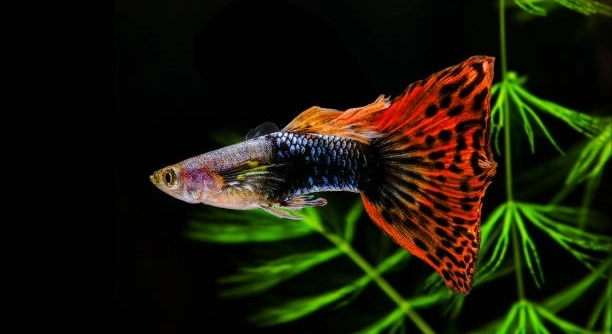
Guppies are popular aquarium fish, loved for their vibrant colors and playful behavior. But sometimes, they can show signs of distress. It’s important to recognize these signs early to ensure their well-being and health.
A guppy in distress often shows changes in behavior such as rapid swimming, erratic movements, or hiding more than usual. Physical symptoms may include clamped fins, faded colors, or visible lesions. Identifying these signs can help prevent further health issues.
By learning how to spot distress in guppies, you can provide the right care and create a better environment for them. This ensures they stay happy and healthy in your aquarium.
1. Changes in Swimming Behavior
When a guppy is in distress, one of the first things you might notice is a shift in their swimming habits. Guppies are usually active swimmers, darting around the tank in a playful manner. If your guppy is suddenly swimming erratically or swimming in circles, something could be wrong. Other signs include floating near the surface, swimming upside down, or being unusually still. These movements often indicate that the fish is experiencing stress, discomfort, or even a potential illness.
Stress can come from multiple sources, such as poor water conditions, sudden temperature changes, or aggressive tank mates. It’s important to observe their movements closely to catch any unusual behaviors early.
Addressing any environmental or social factors that could be causing distress can significantly improve your guppy’s well-being. Proper water filtration, maintaining a stable temperature, and ensuring peaceful tank dynamics can help prevent this behavior from occurring.
2. Clamped Fins
Clamped fins are another clear sign that your guppy is in distress. When a guppy’s fins are tightly held against its body instead of being spread out, it may be feeling stressed, unwell, or uncomfortable.
This condition can be linked to water quality issues or even the presence of parasites. Regularly checking the water parameters and making sure the tank is clean is key to preventing this.
If the clamping persists, it may also indicate a more serious health issue like an infection. If you see clamped fins, it’s important to act quickly and assess their environment and behavior.
3. Faded Colors
If your guppy’s once vibrant colors start to fade, it’s a red flag. Healthy guppies are known for their bright and lively hues, but stress or poor health can cause their colors to dull. This change often happens gradually, making it hard to spot immediately.
The fading of colors can be a sign of environmental stress, like poor water quality or improper tank conditions. Stress can also result from bullying by other fish. Regularly testing the water parameters and ensuring the tank has adequate hiding spots will help reduce the chances of fading.
If the color loss continues, it could indicate more severe health issues, such as a bacterial infection. Early intervention is key in preventing further damage, so always keep an eye on any changes in their appearance.
4. Excessive Hiding
Guppies are naturally curious and social, often exploring and interacting with their environment. If you notice your guppy hiding more than usual, it’s a sign that something isn’t right. This behavior is often seen when they feel threatened or uncomfortable.
Excessive hiding could be caused by poor water conditions or the presence of aggressive tank mates. Guppies will retreat to hiding spots when stressed to escape any perceived danger. Ensure the tank environment is peaceful and the water is clean. If there is a lot of hiding, check for any aggressive fish in the tank that could be making the guppy feel unsafe.
Healthy guppies prefer to swim around and interact with the environment. If you notice hiding behavior, it’s essential to assess all factors contributing to the stress.
5. Loss of Appetite
When a guppy stops eating or shows a reduced appetite, it’s a clear sign of distress. Healthy guppies are usually eager to eat, but stress or illness can cause them to lose interest in food.
This behavior may be a sign of water quality issues, an illness, or injury. Sometimes, it’s linked to overcrowding or incompatible tank mates. To identify the cause, check water parameters and remove any stressors, such as aggressive fish or sudden environmental changes.
If the loss of appetite continues, it could be an indication of a more serious health problem, like internal parasites. Act quickly to restore a healthy environment for your guppy.
6. Rapid Gilling or Breathing Issues
Rapid gilling, where the guppy breathes unusually fast, is another common sign of distress. It’s a signal that the fish may be struggling to get enough oxygen or is under some form of stress.
This can be caused by poor water quality, high ammonia levels, or low oxygen in the tank. Check the filtration system and water parameters regularly to ensure proper oxygenation. If rapid breathing persists, it may point to an underlying illness or infection. It’s crucial to test the water and address any issues immediately.
7. Visible Lesions or Abnormal Growths
Visible lesions, sores, or abnormal growths on a guppy’s body can indicate serious health problems. These marks are often a sign of infections or parasites that require immediate attention.
Lesions may appear as small white spots, red patches, or strange growths on the skin. Bacterial or fungal infections can cause these, and if untreated, they can lead to more severe issues. Isolate the sick guppy and treat the infection as soon as possible to prevent spreading it to other fish. Regular tank cleaning and proper water maintenance help reduce the chances of these issues occurring.
FAQ
What causes a guppy to go into distress?
Several factors can cause a guppy to feel distressed, including poor water quality, temperature fluctuations, overcrowding, incompatible tank mates, or inadequate diet. Stress can also come from sudden changes in the environment or a lack of hiding spaces. Regular water changes, proper filtration, and maintaining a stable tank environment are crucial for preventing stress in your guppy.
How do I know if my guppy is sick?
Sick guppies often exhibit behavior changes, such as lethargy, loss of appetite, or excessive hiding. Physical signs like clamped fins, faded colors, lesions, or swelling are also common indicators. If your guppy’s behavior is significantly different from its usual active self, it’s best to monitor them closely and check the water quality to rule out any environmental issues.
Can guppies die from stress?
Yes, prolonged stress can lead to serious health problems in guppies, including weakened immune systems, making them more susceptible to infections. Stress weakens a guppy’s ability to fight off disease and can eventually lead to death if not addressed. Ensuring your guppy’s environment is calm and stable can help prevent this.
How can I reduce stress in my guppy tank?
To reduce stress, ensure your tank has proper filtration and water parameters. Guppies prefer water temperatures between 72°F and 82°F (22°C to 28°C) and a pH between 7.0 and 8.0. Avoid overcrowding the tank and provide enough hiding spaces. Also, keep the tank mates peaceful and ensure they are compatible with guppies.
Why is my guppy swimming in circles?
Swimming in circles can be a sign of stress, injury, or an illness. If a guppy swims erratically or in circles, it could be struggling with water quality issues, parasites, or a damaged swim bladder. Testing the water parameters and looking for signs of illness, like external lesions or discoloration, can help identify the problem.
What should I do if my guppy has faded colors?
Faded colors often indicate stress, illness, or poor water quality. Check the water parameters immediately and address any imbalances. If the colors don’t return after improving the water quality, it may be due to illness, such as an internal infection or parasite. Isolation and treatment may be necessary if the condition persists.
Can guppies get lonely?
Guppies are social fish and generally do well when kept in groups. While they may not experience loneliness in the same way humans do, they can become stressed if kept alone for long periods. It’s recommended to keep at least two or three guppies together to help them feel secure and comfortable.
How do I treat a guppy with clamped fins?
Clamped fins can be a sign of stress or an infection. To treat this, first, check the water quality. Poor water conditions are often the primary cause of clamped fins. If the water is fine, observe for signs of illness or parasites, and consider isolating the guppy for treatment. Infected fish may require medicated baths or treatments specific to the issue.
Why is my guppy not eating?
A lack of appetite in guppies can be caused by stress, poor water quality, illness, or a change in their environment. Ensure the water is clean and stable. If the problem persists, inspect the fish for any visible signs of disease or injury. If your guppy refuses food for several days, seek advice from a fish expert or veterinarian.
Can I treat a sick guppy at home?
Yes, many minor illnesses can be treated at home with proper care and medication. For example, you can quarantine the sick guppy, improve the water quality, and use over-the-counter treatments for common conditions like fungal or bacterial infections. However, more severe issues may require professional veterinary care, especially if the fish’s condition worsens.
How often should I change the water in my guppy tank?
Water changes should be done regularly to maintain a healthy environment for your guppies. A 25% water change every week is generally recommended for most aquarium setups. If the tank is heavily stocked, you may need to change the water more often. Always test the water before and after changes to ensure proper parameters.
Can guppies get parasites?
Yes, guppies can get parasites, which can cause various health issues like abnormal swimming, discoloration, or lesions. Common parasites include Ich (white spots on the skin) and external worms. If you notice symptoms of parasites, it’s essential to isolate the affected guppy and treat the tank with an appropriate medication to prevent spreading.
How do I know if my guppy is pregnant or stressed?
Pregnant guppies tend to have a noticeable bulge near their abdomen, and you may see the gravid spot darken. Stressed guppies may exhibit behaviors like hiding more frequently or swimming erratically. If your guppy is pregnant, provide plenty of hiding spaces and avoid making sudden changes in the environment. If stress is suspected, check the water quality and tank conditions.
What is the best tank setup for guppies?
The best setup for guppies includes a tank of at least 10 gallons, with good filtration and a heater to maintain a stable temperature. Guppies prefer a slightly alkaline pH and clean, well-oxygenated water. Adding live plants and hiding spots helps create a comfortable environment for them. Keep the tank clean, and avoid overcrowding.
What are the common health issues in guppies?
Common health issues in guppies include fin rot, fungal infections, internal parasites, and swim bladder problems. These issues often result from poor water quality or overcrowding. Regular water testing, proper maintenance, and isolation of sick fish can help prevent these issues from affecting your entire tank.
How can I tell if my guppy has swim bladder disease?
Swim bladder disease is typically characterized by abnormal swimming behavior, such as floating upside down, sinking to the bottom, or swimming sideways. The guppy may also have trouble maintaining its position in the water. To treat swim bladder issues, consider adjusting the water temperature, avoiding overfeeding, and offering foods that promote gut health, like peas.
Do guppies need a filter?
Yes, guppies need a filter to maintain a healthy environment. A filter helps remove excess waste and toxins, keeping the water clean. It also aids in maintaining proper oxygen levels in the tank. A filter is essential to ensure the long-term health of your guppies and prevent stress caused by poor water quality.
Final Thoughts
Caring for a guppy involves more than just feeding it and ensuring clean water. These small fish are sensitive creatures, and recognizing signs of distress early is key to keeping them healthy and happy. By paying attention to their behavior and appearance, you can spot problems like stress, illness, or injury before they become more serious. Whether it’s changes in swimming patterns, clamped fins, or loss of appetite, these are all signs that should not be ignored. The sooner you address these issues, the better the chances of restoring your guppy’s health.
Creating a comfortable and stress-free environment for your guppy is essential. Guppies thrive in stable tanks with clean water, proper temperature, and compatible tank mates. It’s important to regularly check water parameters, maintain good filtration, and avoid overcrowding. A peaceful environment, with plenty of space to swim and places to hide, will help your guppy feel secure. Stress from poor conditions or tank mates can quickly lead to health problems, so always keep an eye on their surroundings. A healthy guppy is an active, colorful fish that adds life to any tank.
Lastly, when dealing with a distressed guppy, don’t hesitate to seek help if needed. Many issues can be resolved at home with quick action, such as improving water quality or providing the right treatment. However, if the condition doesn’t improve, consulting a professional or fish expert can guide you in the right direction. The more you know about your guppy’s needs and behaviors, the easier it becomes to care for them. Healthy, happy guppies are a joy to have in any aquarium, and your attentiveness to their well-being will ensure they thrive.

Hello,
If you enjoy the content that we create, please consider saying a "Thank You!" by leaving a tip.
Every little bit helps us continue crafting quality advice that supports the health, happiness, and well-being of pets around the world, for pets of all shapes, sizes, and species.
We really appreciate the kindness and support that you show us!