
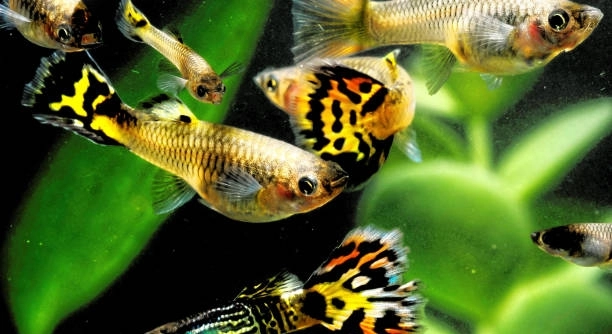
If your guppy is suddenly losing its appetite, there may be several factors at play. These could range from environmental issues to health concerns, and it’s important to identify the cause early to prevent further complications.
The most common reasons for a guppy losing its appetite include poor water quality, stress, disease, or an improper diet. In some cases, the temperature or the presence of aggressive tank mates may also be contributing factors.
Understanding the causes behind your guppy’s loss of appetite can help you address the issue effectively and restore its health.
Water Quality
Water quality plays a significant role in your guppy’s overall health. Poor water conditions, such as high ammonia levels, nitrites, or inconsistent pH, can lead to stress and loss of appetite. It’s important to regularly test your tank’s water and perform water changes when needed. Clean water ensures a stable environment, which helps keep your guppy comfortable and healthy.
Regular water changes are crucial for removing waste and maintaining balance. If your tank lacks proper filtration or water changes are too infrequent, harmful substances can build up, affecting your guppy’s well-being. Guppies are sensitive to changes in their environment, and poor water quality can cause them to stop eating.
Investing in a good filtration system can also help maintain clean water and reduce the risk of harmful buildup. Test kits are easily available to check water parameters, allowing you to address issues before they negatively impact your guppy. Proper water maintenance is essential for a healthy aquarium environment.
Stress and Overcrowding
Stress is another reason why guppies may lose their appetite.
Guppies, like many fish, are sensitive to environmental stressors. Overcrowding is one of the main contributors, as it limits space and oxygen in the tank. Stress can also result from aggressive tank mates, sudden changes in the environment, or loud noises.
If your guppy is stressed, it may stop eating or become lethargic. To reduce stress, ensure your tank has enough space, and avoid adding too many fish. Choosing peaceful tank mates is crucial to keeping your guppy calm. Regular monitoring of behavior and tank conditions can help you identify signs of stress early and prevent it from affecting your guppy’s health.
Illness or Disease
Illnesses like internal parasites, swim bladder issues, or bacterial infections can cause a guppy to lose its appetite.
Infectious diseases affect a guppy’s ability to eat. Symptoms may include lethargy, bloating, or unusual swimming patterns. If a guppy isn’t eating, there’s a high chance it may be dealing with an infection that requires medical treatment. Regular observation is key to spotting potential health issues early.
If your guppy is sick, consider isolating it to prevent the spread of disease. Treating illnesses quickly can help restore its appetite. Adding medications to the water or adjusting its diet can improve recovery, but you may need advice from an aquarium specialist to address specific issues.
Improper Diet
An improper diet can quickly lead to a loss of appetite in guppies.
Guppies require a varied diet to thrive. If they’re fed the same type of food daily, they may grow disinterested or even refuse to eat. Ensuring your guppy receives a balanced diet with the right nutrients is essential for its well-being. Try rotating between pellets, flakes, and live foods to keep them engaged and healthy.
Feeding them a variety of food also helps prevent nutritional deficiencies. Guppies are small, and too much of one type of food can cause digestion problems, leading to a lack of appetite. Offering the right variety will ensure they stay interested in feeding time.
Tank Temperature
If the tank temperature is too high or low, your guppy may lose its appetite.
Guppies thrive in warm water, typically between 72-82°F. Temperatures outside this range can stress the fish, affecting their feeding behavior. Keeping the tank’s temperature stable with a reliable heater is essential to ensuring the health and comfort of your guppy.
A fluctuating or extreme temperature can lower their activity levels and make them reluctant to eat. It’s important to monitor the water temperature regularly to avoid any sudden changes. Maintaining the proper range will help your guppy stay active and interested in feeding.
Tank Maintenance
Proper maintenance is crucial to keep your guppy healthy.
Cleaning the tank regularly helps remove waste and prevents harmful bacteria buildup. Algae, dirt, and uneaten food can negatively affect water quality, leading to health problems for your guppy. Clean the substrate and change a portion of the water each week to keep the environment stable.
If your tank is not maintained well, your guppy may feel stressed, which could lead to a loss of appetite. Regular tank cleaning keeps the water clear, reducing the chance of diseases and improving the overall health of your guppy.
Overfeeding
Overfeeding can lead to health issues for your guppy.
If you give your guppy too much food, it may refuse to eat because it’s already full or has trouble digesting excess food. It’s important to feed your guppy only what it can consume in a few minutes. This helps maintain a healthy feeding routine and prevents uneaten food from polluting the water.
FAQ
Why is my guppy not eating?
If your guppy isn’t eating, there are several potential causes. Stress from poor water quality, aggressive tank mates, or sudden changes in the environment can lead to loss of appetite. Illnesses such as parasites or infections may also affect their feeding habits.
Can poor water quality cause a guppy to stop eating?
Yes, poor water quality is a common cause of loss of appetite in guppies. High levels of ammonia, nitrites, or nitrates can make your guppy feel stressed or sick, resulting in reduced food intake. Regular water changes and proper filtration help maintain a healthy environment for your fish.
What are the signs that my guppy is sick?
A sick guppy may exhibit signs like lethargy, unusual swimming patterns, or visible changes in color. If the guppy has visible sores, bloating, or clamped fins, it may indicate a health issue. Monitoring the fish closely and checking the water quality can help identify the problem.
Is my guppy not eating because of temperature?
Yes, guppies are sensitive to temperature changes. If the water is too cold or too warm, they may lose their appetite. Ideal water temperature for guppies is between 72-82°F. Keeping the water within this range helps ensure your guppy stays healthy and hungry.
How often should I feed my guppy?
Guppies should be fed once or twice a day. Offer only as much food as they can eat in a few minutes. Overfeeding can lead to water quality issues and digestive problems, which may further reduce your guppy’s appetite.
Can stress cause my guppy to lose its appetite?
Yes, stress is a significant factor in appetite loss. Guppies are sensitive to changes in their environment, including overcrowding, poor water conditions, or aggression from other fish. Reducing stress by creating a peaceful environment and maintaining stable water conditions can encourage healthy eating habits.
Should I isolate my guppy if it’s not eating?
If your guppy isn’t eating and shows other signs of illness, isolating it can help. Isolation allows you to monitor the fish more closely and reduces the risk of spreading any potential disease. Make sure the isolation tank has proper water quality and temperature.
Can a dirty tank make my guppy stop eating?
Yes, a dirty tank can definitely affect your guppy’s appetite. Decaying food, waste buildup, and algae can contaminate the water, leading to poor water quality. Regular cleaning and water changes are essential to maintain a healthy environment that encourages your guppy to eat.
How can I tell if my guppy is stressed?
Signs of stress in guppies include erratic swimming, hiding, or clamped fins. A stressed guppy may also avoid food and become more lethargic. Stress can be caused by water quality issues, aggressive tank mates, or sudden environmental changes.
Can pregnancy affect my guppy’s appetite?
Pregnant guppies may experience changes in appetite. They could eat less than usual, especially if they are nearing the end of their pregnancy. Providing a stress-free environment and offering a varied diet helps ensure the health of both the mother and her babies.
Is it normal for guppies to go without food for a day?
It’s not unusual for guppies to skip a meal occasionally. However, if your guppy goes for several days without eating, it could indicate a health problem. Check for other signs of illness or stress, and monitor water quality to ensure everything is optimal.
Can overfeeding cause my guppy to lose its appetite?
Yes, overfeeding can cause your guppy to stop eating. When guppies are fed too much, they may become full and refuse more food. Overfeeding also leads to water pollution, which can stress your guppy and contribute to a loss of appetite.
What can I do to restore my guppy’s appetite?
To restore your guppy’s appetite, try adjusting the water temperature, improving water quality, and offering a variety of foods. Reduce stress by ensuring peaceful tank conditions and removing any aggressive tank mates. A healthy environment can help encourage your guppy to resume eating.
Can other fish in the tank affect my guppy’s eating habits?
Yes, aggressive or dominant fish can prevent your guppy from eating. If your guppy is intimidated or stressed by other fish, it may lose its appetite. Consider rearranging the tank or separating aggressive fish to create a peaceful environment where your guppy feels safe to eat.
How do I improve my guppy’s diet?
To improve your guppy’s diet, offer a mix of high-quality flakes, pellets, and live foods such as brine shrimp or daphnia. You can also add some vegetables like peas or spinach. A varied diet ensures your guppy receives the proper nutrients for healthy growth and energy.
How can I keep my guppy from getting bored with its food?
To prevent boredom, rotate the food types you offer your guppy. You can provide different types of flakes, pellets, and live or frozen foods. This variety will not only keep your guppy engaged but also ensure a balanced diet.
Can changing the water cause my guppy to stop eating?
Frequent water changes can sometimes stress guppies, especially if the water parameters change drastically. It’s important to change the water gradually and ensure that the new water matches the temperature and pH of the tank. Sudden shifts in water conditions may make your guppy hesitant to eat.
Is it safe to feed my guppy live food every day?
Feeding your guppy live food every day isn’t necessary, but it can be a great supplement. Live food provides additional nutrients and can stimulate your guppy’s appetite. However, balance it with other foods to prevent overfeeding and ensure a varied diet.
Final Thoughts
Guppies are resilient fish, but their appetite can be affected by various factors. Poor water quality, stress, illness, or even changes in their environment can lead to a lack of interest in food. It’s essential to monitor the water conditions regularly and ensure that your guppy’s environment is stable. A peaceful tank with the right temperature and proper filtration goes a long way in keeping your guppy healthy and hungry. Keeping an eye on your guppy’s behavior and being aware of any changes will help you address issues before they become more serious.
If your guppy is not eating, it is crucial to assess the situation thoroughly. First, check the water quality and make sure there are no signs of stress, such as aggression from other fish or sudden changes in the tank. If the water conditions are optimal and your guppy still refuses food, it may be worth isolating it for closer observation. This allows you to track its health more closely and prevent any potential issues from spreading to other fish in the tank. Sometimes, a temporary break from tank mates or certain foods can help spark their appetite again.
Ultimately, a consistent routine of good water quality, varied and balanced feeding, and a peaceful environment is the best way to keep your guppy healthy and active. If problems persist despite addressing these factors, it may be necessary to consult a vet with experience in fish care. Guppies can often recover from temporary loss of appetite, but understanding the underlying causes is key to preventing it from becoming a recurring problem. With proper care and attention, your guppy will likely regain its healthy appetite.

Hello,
If you enjoy the content that we create, please consider saying a "Thank You!" by leaving a tip.
Every little bit helps us continue crafting quality advice that supports the health, happiness, and well-being of pets around the world, for pets of all shapes, sizes, and species.
We really appreciate the kindness and support that you show us!