
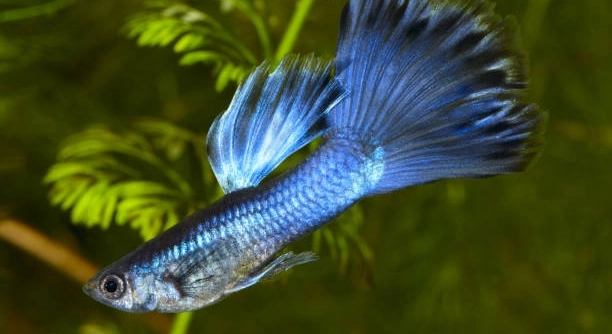
Do your guppies sometimes hide, stop eating, or seem more jumpy than usual in their tank? Stress may be the cause.
The most effective way to reduce guppy tank stress is by maintaining stable water conditions, providing hiding spots, avoiding overcrowding, and ensuring proper tank mates. These steps promote a calm environment and support your guppies’ long-term well-being.
Recognizing and addressing stress early can help your guppies thrive and stay active, colorful, and healthy in their aquatic home.
Keep Water Parameters Consistent
Guppies are sensitive to sudden changes in their environment, especially when it comes to water quality. Ammonia spikes, fluctuating temperatures, or an uncycled tank can quickly lead to stress. Aim to keep the water temperature between 74°F and 82°F and maintain pH levels between 6.8 and 7.8. Using a reliable heater and thermometer helps you avoid harmful fluctuations. Regular water testing is important to track ammonia, nitrite, nitrate, and pH levels. Perform partial water changes weekly to keep things stable. A properly cycled filter supports beneficial bacteria, which helps control waste buildup. Never change all the water at once or clean the filter too aggressively, as this disrupts the bacteria balance. Stick to a routine and avoid drastic changes.
Frequent, small water changes and gentle filter maintenance can prevent stress and support long-term health. Stability is key in making your guppies feel safe and secure in their tank.
A clean, steady tank environment reduces risk of illness and helps guppies behave more naturally. Watch for signs like fin clamping or hiding, as these may show stress.
Avoid Overcrowding
Too many fish in a tank often leads to territorial behavior, poor water quality, and lack of space. These conditions can overwhelm your guppies and cause constant stress.
A good rule is one gallon of water per inch of fish, but guppies need more space to swim freely and avoid conflict. Overcrowding increases waste, making it harder to keep water parameters stable. Males may also chase females excessively, leading to stress or injury. Keep a healthy male-to-female ratio of one male to two or three females to spread out attention. If you’re breeding guppies, separate fry into a grow-out tank to prevent competition and aggression. Adding more live plants or decorations can help break up sightlines and reduce tension between fish. Guppies thrive when they have space to explore without constantly bumping into others. Creating enough room not only reduces stress but also makes your tank look and function better.
Provide Hiding Spots
Guppies feel more secure when they have places to hide. Plants, caves, and decorations give them shelter and reduce constant exposure. A more structured tank layout helps limit stress from other tank mates or sudden movement.
Live plants like Java moss, Anubias, or Hornwort are great options for natural hiding spaces. These plants also improve water quality, which helps reduce stress overall. Add caves or ornaments with smooth edges to prevent injuries. Make sure hiding spots are accessible but not overcrowding the tank. Spread them throughout the tank so all guppies have equal access. Fish higher in the social hierarchy often claim the best spaces, so adding multiple hiding areas reduces competition. Providing cover also gives fry and less dominant fish a chance to rest without being chased. A more balanced and calm environment supports better health and behavior in your guppies.
Creating shaded areas using tall plants or floating plants can help calm nervous guppies. It mimics a natural habitat and softens lighting, which can be harsh in bare tanks. Floating plants like duckweed or water lettuce offer coverage without blocking filtration or taking up floor space. A well-decorated tank gives your guppies peace of mind and promotes better activity levels.
Limit Sudden Movements
Quick movements outside the tank can startle guppies. Loud noises or frequent tapping on the glass also contribute to stress. Keep the tank in a calm area away from high traffic and activity.
Try not to change decorations or move plants around too often. Constant rearranging disrupts their sense of safety. When doing maintenance, work slowly and avoid chasing them with nets unless necessary. Keep lighting on a timer to avoid abrupt changes. Guppies adjust better when they have a steady routine. Avoid placing the tank near loudspeakers or slamming doors, and talk softly when close. These small efforts help create a more relaxed setting. Over time, your guppies will feel safer and become more comfortable.
Reducing human activity around the tank is especially important in the early days after adding new guppies. They need time to settle and adjust without constant distractions or interruptions. If children are in the home, teach them not to tap the glass or make sudden movements near the tank. Even subtle things like shadows passing overhead can stress them if they happen too often. Calm, quiet surroundings allow your guppies to display natural behavior without fear. Keeping the tank in a peaceful space supports their health and helps build trust with you.
Feed a Balanced Diet
Feeding a variety of high-quality foods helps lower stress in guppies. Offer flakes, pellets, freeze-dried, and frozen options to meet their nutritional needs and keep them active and healthy. Avoid overfeeding, which pollutes the water and increases stress.
Feed small portions once or twice a day and remove uneaten food after a few minutes. Include protein-rich foods like brine shrimp and bloodworms a few times per week. Proper nutrition supports strong immune systems and better behavior.
Choose Peaceful Tank Mates
Avoid placing guppies with aggressive or fast-swimming fish. Guppies are peaceful and easily stressed by chasing or nipping. Good options include mollies, platies, cory catfish, and small tetras. Always research compatibility before adding new species. Give new tank mates time to adjust in a separate quarantine tank if possible.
Maintain a Consistent Light Cycle
Keep lights on for 8 to 10 hours daily using a timer. Too much or too little light can disrupt guppy behavior and cause stress. Consistent lighting supports healthy routines and encourages natural activity throughout the day.
FAQ
How do I know if my guppies are stressed?
Stressed guppies may hide often, stop eating, clamp their fins, or swim erratically. You might also notice them staying near the surface or bottom of the tank. Some may lose color or develop ragged fins. These signs usually appear when there are issues with water quality, overcrowding, or aggression in the tank. Observing daily behavior helps you notice changes early. A healthy guppy swims actively, eats regularly, and shows bright colors. If one or more guppies seem off, check the water parameters and tank conditions immediately to rule out common stress triggers.
Can a sudden water change stress guppies?
Yes, sudden or large water changes can shock guppies. Changing too much water at once may affect the temperature and chemistry of the tank. It’s best to do small, regular water changes—around 25% per week. Use dechlorinated water and match the temperature as closely as possible. Pour the new water in slowly and avoid stirring up debris. If guppies act skittish or breathe heavily after a water change, the change was likely too quick or too large. Keeping changes consistent and gradual makes the process safer for your fish.
What temperature is best for reducing guppy stress?
The ideal temperature range for guppies is between 74°F and 82°F. Water outside this range can cause stress and weaken their immune systems. Use a reliable aquarium heater and thermometer to maintain a stable temperature. Sudden shifts of more than 2°F in a short time can be harmful. If the room temperature changes often, choose a heater with a thermostat. Cold water slows their metabolism and can make them lethargic, while water that’s too warm can reduce oxygen levels. Keep the temperature steady to support healthy behavior and prevent stress-related illness.
Can bright lights stress guppies?
Yes, bright or sudden lighting can stress guppies. Keep lighting consistent and avoid turning lights on and off abruptly. Use a timer to create a stable cycle of 8 to 10 hours of light per day. If the tank is in a dark room, sudden exposure to bright light can cause them to dart or hide. Floating plants or adjustable LED lights can help diffuse brightness. When lights are off, make sure the room is not too noisy or full of activity. A quiet, dim space helps them settle during resting hours.
How often should I feed my guppies to avoid stress?
Feed guppies once or twice daily with small amounts they can finish in about two minutes. Overfeeding pollutes the water and causes stress. A mix of flakes, frozen, and live food helps meet their nutritional needs. Skipping a day occasionally is fine and can help clear their digestive system. Uneaten food should be removed promptly to avoid ammonia buildup. Feeding at the same time each day creates a routine and helps them feel secure. Avoid feeding just after a water change or when they appear frightened, as they may not eat right away.
Do guppies get stressed when adding new fish?
Yes, introducing new fish can cause stress, especially if the tank becomes overcrowded or if the new fish are aggressive. Quarantine new additions for at least 1–2 weeks before introducing them to the main tank. This helps prevent disease and gives you time to observe behavior. When adding them to the tank, turn off the lights and add them gradually to reduce tension. Monitor all fish for signs of stress, such as chasing or hiding. Having extra hiding spots and plants can help reduce tension and allow guppies to adapt more easily.
Is it normal for guppies to hide?
Guppies may hide when they are adjusting to a new tank, after a water change, or if the tank is too bright or noisy. Occasional hiding is normal, but constant hiding may signal stress. Check for aggressive tank mates, poor water conditions, or lack of cover. Adding plants and decorations gives them secure places to retreat. A peaceful environment encourages them to swim out more often. If hiding continues for several days, check for illness or signs of bullying. Reducing tank stressors usually improves behavior and brings them back to normal.
Final Thoughts
Keeping guppies healthy and stress-free takes consistent care and attention. Simple actions like maintaining clean water, offering a balanced diet, and keeping their environment stable go a long way. Guppies are small, but they react quickly to changes in their surroundings. Poor water quality, sudden temperature drops, or aggressive tank mates can cause stress and lead to health problems. Watching their daily behavior helps you notice early signs of stress, like clamped fins or changes in swimming patterns. Staying on top of their basic needs will help your guppies feel safe, active, and comfortable in their tank.
Creating a peaceful tank also means avoiding overcrowding and choosing the right fish to share the space. Guppies do well with gentle species that won’t compete aggressively for food or territory. Adding hiding spots with plants or decorations helps them feel more secure, especially if they’re sharing the tank. Keeping the lighting consistent, avoiding loud noises, and setting a regular feeding schedule all support a stable routine. These small details may seem simple, but together they shape the daily experience of your fish. A calm, steady environment reduces stress and helps your guppies live longer, healthier lives.
Even with the best setup, it’s important to stay alert and flexible. Tanks change over time as fish grow, new ones are added, or equipment wears down. Regular water testing and cleaning routines are necessary to keep things balanced. Stress can show up at any point, and catching it early helps prevent serious issues. You don’t need anything fancy to support your guppies—just a clean, safe tank, the right companions, and a little time each day to observe and care for them. With patience and consistency, your guppies will reward you with bright colors, active swimming, and peaceful behavior.

Hello,
If you enjoy the content that we create, please consider saying a "Thank You!" by leaving a tip.
Every little bit helps us continue crafting quality advice that supports the health, happiness, and well-being of pets around the world, for pets of all shapes, sizes, and species.
We really appreciate the kindness and support that you show us!