
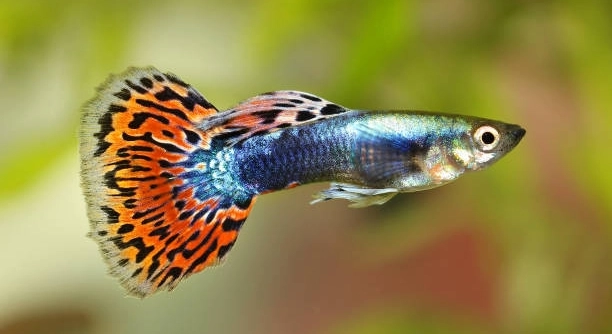
Guppies are lively little fish, often bringing joy to aquarium owners. However, their behavior can sometimes leave us wondering if something’s off. If your guppies are acting nervous, it’s important to understand the possible causes.
The behavior of nervous guppies can be caused by various factors, including water quality, tank mates, stress, or environmental changes. Identifying the cause requires observation and understanding of the conditions they are living in.
By knowing what may be triggering your guppies’ anxiety, you can create a more comfortable environment for them. Let’s explore the seven most common causes of their nervous behavior.
Poor Water Quality
Water quality is one of the most important factors in keeping guppies healthy. If the water in your tank is dirty or improperly maintained, it can make your guppies feel stressed. They rely on clean water to thrive. High ammonia levels, nitrites, and an unbalanced pH can make the tank inhospitable, leading to nervous behavior. Guppies may swim erratically or stay near the surface when they’re uncomfortable.
Dirty water can also promote the growth of harmful bacteria, which puts added pressure on your guppies’ health. It’s essential to regularly check the water parameters and change the water to keep the environment safe. Clean water helps your guppies feel secure and reduces anxiety.
If your guppies are acting nervous, be sure to test the water and clean the tank regularly. Healthy water is crucial to keeping them happy and calm. Regular maintenance is an easy way to ensure their well-being and reduce their stress levels.
Overcrowding
Overcrowding is another common cause of stressed guppies. When there are too many fish in the tank, it can create tension and competition for space and food. Guppies may feel cramped and anxious, leading to erratic swimming behavior.
It’s essential to know the size of your tank and the number of fish it can comfortably accommodate. A tank that’s too small for the number of guppies can lead to aggression and stress. Be mindful of how many fish you add to your tank to avoid overcrowding.
Providing enough space for each guppy is vital for their well-being. If your guppies seem nervous or restless, try reducing the number of fish in the tank. This simple step can improve their behavior and help them feel more secure.
Temperature Fluctuations
Guppies are sensitive to temperature changes. If the water temperature fluctuates too much, they can become stressed. Guppies prefer stable temperatures between 72-82°F (22-28°C). Sudden drops or increases in temperature can make them act nervously.
A reliable aquarium heater will help maintain a consistent temperature. Using a thermometer to monitor the water temperature regularly is essential. If the water becomes too cold or too hot, guppies may exhibit signs of discomfort, such as rapid swimming or hiding in corners.
If you notice your guppies behaving oddly, check the temperature right away. Inconsistent heating can make them feel unsafe, causing anxiety. Keeping the tank temperature stable will promote a more relaxed environment for your fish.
Aggressive Tank Mates
Aggressive tank mates can cause stress in guppies. When there are aggressive fish, guppies may hide or swim nervously to avoid conflict. Fish like bettas, certain cichlids, or large goldfish can sometimes bully smaller fish, creating an unsettling atmosphere.
To reduce stress, make sure you carefully choose tank mates that are peaceful and compatible with guppies. You can observe their behavior and remove any overly aggressive fish if necessary. Guppies do well in community tanks, but adding aggressive species can lead to anxiety and poor behavior.
Having a peaceful aquarium with non-aggressive fish will allow your guppies to swim happily and comfortably. Consider creating a tank environment that keeps their natural peace intact.
Inconsistent Lighting
Lighting can affect your guppies’ behavior. If there’s too much light or not enough, they may feel stressed. Guppies thrive with a light cycle of about 10-12 hours a day. Too much light can make them nervous, while too little can disrupt their sleep patterns.
Make sure your aquarium lighting is on a regular schedule, using a timer to control the duration of light exposure. Bright lights, especially if left on too long, can stress your fish and cause erratic swimming. On the other hand, constant darkness may affect their natural rhythms.
Providing the right balance of light is essential for your guppies’ health. A consistent day-night cycle will help them feel secure and less anxious.
Poor Diet
A poor or unbalanced diet can contribute to your guppies acting nervous. If they’re not getting the right nutrients, they may appear restless or weak. Guppies need a varied diet, including high-quality flake food, frozen or live foods like brine shrimp, and occasional plant matter.
When feeding your guppies, ensure the food is properly suited for their needs. Overfeeding or underfeeding can lead to poor health and behavioral changes. A well-balanced diet will keep your guppies strong and less prone to anxiety. Keep food offerings varied to maintain their health and happiness.
Sudden Environmental Changes
Guppies are sensitive to changes in their environment. Moving decorations, altering tank conditions, or even adding new plants can cause stress. Even small changes can unsettle them and cause nervous behavior.
To minimize stress, make any adjustments gradually. If you must make changes, try to do so in a way that doesn’t overwhelm the fish. Sudden disruptions can lead to anxiety, making them swim erratically or hide. Stability in their surroundings is key to their peace of mind.
FAQ
Why are my guppies swimming in circles?
Guppies swimming in circles can be a sign of stress or poor water conditions. If your water quality is off, they may swim in circles as a way of trying to escape or find better conditions. It could also be caused by the presence of aggressive tank mates or overcrowding, both of which can lead to nervous behavior. Another possibility is that they’re reacting to poor lighting or temperature fluctuations. It’s important to monitor the water parameters and make sure the tank environment is stable and peaceful to prevent this type of behavior.
How do I calm down my nervous guppies?
To calm nervous guppies, you’ll need to address the root cause of their anxiety. Start by ensuring your tank is clean, with properly balanced water conditions. Test the water for ammonia, nitrites, and pH levels, and perform regular water changes. Also, make sure the temperature is stable within the ideal range of 72-82°F (22-28°C). Ensure there are no aggressive tank mates, and add hiding spots or plants so they can feel secure. A peaceful environment, consistent feeding, and a reliable lighting schedule can also help alleviate stress.
Can poor water quality cause guppy stress?
Yes, poor water quality is one of the most common reasons for stress in guppies. High levels of ammonia, nitrites, or nitrates can be toxic and lead to anxious behavior. Low oxygen levels and unbalanced pH can also make guppies uncomfortable. When the water is polluted, they may swim erratically, gasp at the surface, or hide. It’s essential to test your water regularly, perform routine water changes, and use a good filtration system to maintain a healthy environment for your fish. Regular water monitoring can help prevent stress related to poor water quality.
Is it normal for guppies to hide?
Hiding is a natural behavior for guppies, especially when they feel threatened, stressed, or unwell. If they’re not feeling safe, they may retreat to plants, decorations, or the bottom of the tank. However, consistent hiding or hiding for extended periods can indicate that something is wrong in their environment, like poor water quality or aggression from other fish. If your guppies are constantly hiding, it’s important to check water parameters, reduce stressors, and make sure they have enough space to swim comfortably. Adding more plants and hiding spots can also help them feel secure.
Why do my guppies chase each other?
Guppies can sometimes chase each other as part of normal social behavior, especially during mating. However, if the chasing becomes aggressive or frequent, it could be a sign of stress, competition, or territorial disputes. Male guppies may chase females in an attempt to court them. In some cases, overcrowding or an unbalanced tank can cause aggressive interactions. To reduce excessive chasing, try reducing the number of males in the tank or separating aggressive individuals. Make sure the tank is spacious enough for each fish to have their own territory and feel safe.
How can I tell if my guppies are stressed?
Stress in guppies can show up in several ways. Common signs include erratic swimming, hiding, loss of appetite, faded colors, or rapid breathing. If they’re swimming frantically or staying near the surface, it might be due to poor water quality or temperature problems. Guppies may also appear less active or more skittish if they’re stressed by aggressive tank mates or environmental changes. Keeping an eye on their behavior and regularly checking water parameters is key to identifying stress early and preventing it from affecting their health.
Can guppies get stressed from water changes?
Yes, guppies can experience stress from sudden or large water changes. If the new water has different temperature or pH levels, it can shock their system and cause them to behave nervously. To reduce the risk of stress during water changes, try to match the temperature and pH of the new water as closely as possible to the old water. It’s also a good idea to perform smaller, more frequent water changes instead of one large change. This helps keep the environment stable and minimizes the stress on your guppies.
Why do my guppies swim to the surface?
Guppies swimming to the surface could be a sign of several things. If they’re gasping for air, it might be due to low oxygen levels or high ammonia in the water. It’s also possible that the water temperature is too high or low, causing them to seek a more comfortable area. Sometimes, they may simply be exploring or looking for food. If the behavior persists, check the water quality, aeration, and temperature to make sure everything is within the proper range.
Is it safe to add new guppies to my tank?
Adding new guppies to your tank can cause some stress, especially if they’re introduced suddenly or if the tank is already at capacity. To minimize stress, quarantine new fish for a few days before adding them to the main tank. This allows them to adjust and helps prevent the spread of disease. Additionally, make sure the new guppies are compatible with your current fish and that there’s enough space in the tank. Gradually introducing new fish and monitoring the behavior of all the fish can reduce stress and aggression.
Final Thoughts
Guppies are generally resilient and adaptable fish, but like all pets, they can sometimes experience stress or discomfort. Identifying the causes of nervous behavior is the first step in helping them feel more secure. Factors like poor water quality, aggressive tank mates, overcrowding, or inconsistent lighting can all contribute to anxious behavior. Once you pinpoint the source of stress, you can make the necessary adjustments to improve their environment and overall health.
Maintaining a balanced tank is crucial to your guppies’ well-being. Regular water changes, monitoring water quality, and ensuring the right temperature and lighting will provide them with a comfortable and stable habitat. It’s also important to create a peaceful community by choosing compatible tank mates and providing plenty of hiding spots. Guppies are social fish, but they still need their space and security. Keeping their environment calm and predictable will reduce stress and make them feel safe.
By staying observant and making small changes when needed, you can help your guppies thrive. If their nervous behavior continues despite addressing the common causes, it might be helpful to consult with an aquarium expert or a veterinarian. Guppies are vibrant and active fish that, when kept in the right conditions, can live happy, healthy lives. With a little care and attention, you’ll be able to create an environment that supports their well-being and ensures they feel at ease in their tank.

Hello,
If you enjoy the content that we create, please consider saying a "Thank You!" by leaving a tip.
Every little bit helps us continue crafting quality advice that supports the health, happiness, and well-being of pets around the world, for pets of all shapes, sizes, and species.
We really appreciate the kindness and support that you show us!